Historical Primary Sources •
Dec '25
Primary documents and speeches from the women’s suffrage movement capture not just milestones but the urgency, disagreements, and strategy behind winning the vote. Read closely, they reveal a movement built through conventions, courtroom defenses, ... << Continue >>
Historical Primary Sources •
Dec '25
Cold War history used to be written from public speeches, memoirs, and scattered leaks. Declassified files have changed that workbench. Meeting notes, intercepted cables, and after-action reports now show what leaders feared, what spies knew, and wha... << Continue >>
Historical Primary Sources •
Dec '25
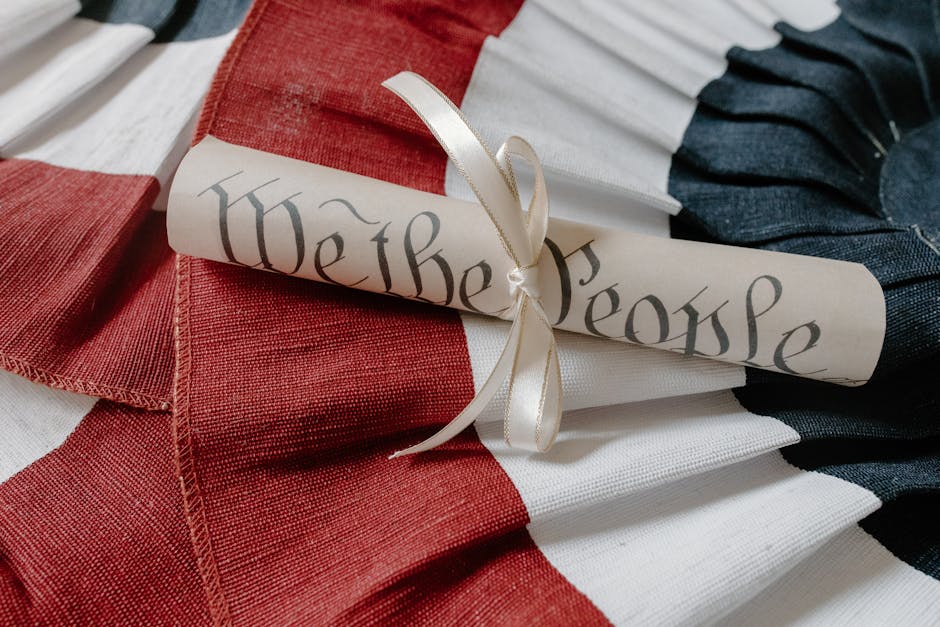
Picture the winter of 1787–88: newspapers thumping onto doorsteps in New York, coffeehouses buzzing, and three authors (Alexander Hamilton, James Madison, and John Jay) quietly publishing a rapid-fire series of essays under the pen name “Publius.... << Continue >>
Historical Primary Sources •
Dec '25
Letters and diaries from the American Revolution pull the events off the textbook page and into daily life. These firsthand accounts record hunger and pay disputes, love and fear, political theory and battlefield reports. They also capture the divers... << Continue >>
Historical Primary Sources •
Dec '25
Viking sagas sit at the crossroads of memory, myth, and recorded history. They preserve the voices of medieval Icelanders who wrote about people and events from the late ninth to early eleventh centuries, weaving family histories with sharp dialogue,... << Continue >>
Historical Primary Sources •
Nov '25
Renaissance manuscripts bridge two information revolutions: the long medieval tradition of handwritten books and the rapid spread of print after 1450. They preserved classical texts, recorded new observations in science and medicine, and carried the ... << Continue >>
Historical Primary Sources •
Nov '25
Letters carried news, comfort, and requests through a war that strained every system built to connect people. Soldiers wrote quickly in dugouts, on train platforms, and in hospital wards. Families waited for envelopes with familiar handwriting and ce... << Continue >>
Historical Primary Sources •
Nov '25
The Nuremberg Trials produced one of the most complete legal records of mass atrocity in modern history. From November 1945 to October 1946, the International Military Tribunal (IMT) tried 22 major Nazi leaders for crimes that included aggressive war... << Continue >>
Historical Primary Sources •
Oct '25
Letters written from behind barbed wire capture the human cost of the wartime removal and incarceration of approximately 120,000 people of Japanese ancestry in the United States between 1942 and 1945. The notes are plain on the surface (postcards to ... << Continue >>