Uber’s Disruption of Urban Transportation Systems
Uber upended the way cities move by turning a smartphone into a dispatch center, a digital meter, and a ratings board. Riders saw wait times shrink, payments go cashless, and availability extend into neighborhoods taxis often skipped. Drivers gained flexible access to riders, though also a new kind of algorithmic boss. City agencies that once licensed a finite fleet met a platform able to scale supply almost instantly.
The disruption cut both ways. New mobility options expanded access late at night or during bad weather, and trips felt more predictable thanks to upfront pricing and live ETAs. At the same time, researchers and transport departments documented added traffic, substitution away from transit, and tough questions about labor standards. Policy caught up in fits and starts, sometimes protecting consumers and workers, other times cementing gray areas.
I’ve felt the convenience and the friction up close. After events, Uber made cross-town rides possible in minutes where hailing a cab used to take half an hour. In morning gridlock, the same app ride took longer and cost more than the subway, a reminder that convenience changes with context and demand.
What Uber Changed: Price, Access, and the “App-First” Trip
Before app-hailing, riders faced uncertainty: you flagged a cab and hoped. Uber reframed the experience around certainty, availability, ETA, route preview, and payments that required no conversation. In many cities, average wait times for UberX settled at a few minutes, well below typical taxi hail times during off-peak hours, based on early platform metrics and independent audits reported by major outlets and city agencies. This reliability built new travel habits, especially for short trips.
Pricing shifted expectations. Surge pricing matched fares to demand and brought drivers online when needed, a market lever that smoothed peak shortages yet drew criticism for sharp spikes during emergencies. Economic research on Uber’s labor market found that flexible driver hours and improved dispatch efficiency boosted vehicle utilization while transferring more real-time risk to drivers. A frequently cited analysis by Hall and Krueger examined “The Labor Market for Uber Drivers” through trip-level data, highlighting flexibility and churn among part-time drivers, available via the NBER.
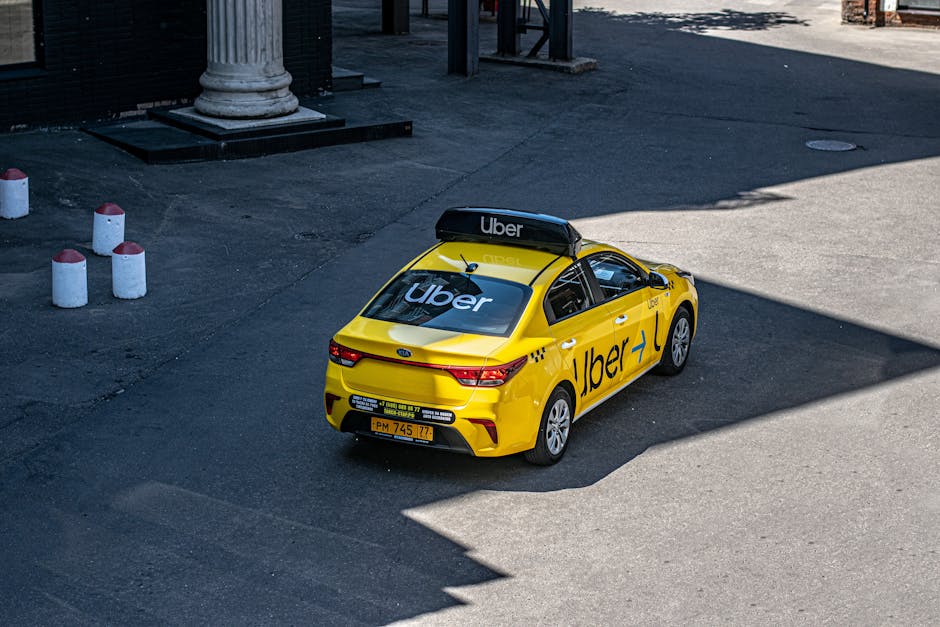
Ratings, GPS logs, and digital receipts raised the bar for accountability. Riders could see the route and fare breakdown; drivers received protection from cash handling and better location targeting. Safety features (like Share My Trip and in-app emergency buttons) were layered onto the product as the company responded to concerns raised by law enforcement, journalists, and survivors. Company safety reports and updates remain accessible on Uber.
Compared with the traditional taxi system, Uber lowered entry barriers for drivers and put routing, pricing, and reputation into software. That combination expanded supply while compressing margins and introduced a new regulatory puzzle: how to oversee a transport network that isn’t a fleet, yet behaves like one at scale.
| Feature | Traditional Taxi (Pre-Uber) | Uber/App-Hail |
|---|---|---|
| Wait Times | Variable, longer outside cores | Typically minutes with live ETA |
| Payment | Cash/card in vehicle | In-app, digital receipt |
| Entry for Drivers | Medallion/leasing hurdles | Onboarding via platform |
| Pricing | Metered, regulated fares | Dynamic; upfront pricing |
| Oversight | Local taxi commissions | Hybrid of transport + platform rules |
City Impacts: Transit, Traffic, and Emissions
Researchers mapped how ride-hail fit into the urban mix and found trade-offs. Evidence from multiple U.S. cities showed ride-hail often substituted for short transit trips and increased total vehicle miles traveled (VMT), with measurable congestion effects in dense cores. A detailed analysis by the San Francisco County Transportation Authority attributed a meaningful share of speed declines to ride-hail growth, available at SFCTA. Similar patterns surfaced in New York and Boston as trip volumes rose.
Transit interactions proved complex. App rides connected riders to late-night buses and rail stations where service gaps existed, yet also lured riders from frequent transit corridors when fares felt affordable and wait times were low. A study by Hall, Palsson, and Price (2018) found ride-hail entry correlated with modest transit ridership declines in some markets and gains in others, tied to service quality and geography. These mixed results pushed agencies to test first/last-mile partnerships and to integrate real-time info and ticketing into apps.
On emissions, the early shift included deadheading miles between fares. A report from UC Davis Institute of Transportation Studies found many ride-hail trips replaced more sustainable modes such as transit, walking, or cycling, raising per-trip emissions unless pooled options were used. The pivot to electric vehicles changes the emissions math but not congestion. Cities that prioritized curb management, pick-up zones, and bus priority lanes saw fewer bottlenecks even as ride-hail volumes grew.
Equity sat at the center of debate. Riders in underserved neighborhoods gained late-night access; yet drivers absorbed market risk through variable earnings and costs such as fuel, maintenance, and insurance. The convenience dividend skewed toward areas with high demand density unless policy and incentives nudged supply toward coverage goals.
Rules Catch Up: Labor Status, Safety, and Market Caps
City and national regulators experimented with new guardrails. New York City set a temporary cap on ride-hail vehicles in 2018 and introduced a minimum pay standard tied to utilization rates to stabilize driver earnings, policies outlined by the NYC TLC. The approach linked compensation to time with passengers, pushing platforms to improve dispatch efficiency rather than expand idle cruising.
Worker status turned into a defining fight. California voters approved Proposition 22 in 2020, classifying most app-based drivers as independent contractors while guaranteeing a floor of benefits and pay adjustments; measure details and legal history are summarized by Ballotpedia. In the United Kingdom, the Supreme Court ruled in 2021 that Uber drivers are “workers” entitled to certain rights, shifting pay and holiday calculations; the judgment is posted by the UK Supreme Court. These divergent paths show how definitions drive outcomes for take-home pay and platform design.
Safety oversight expanded through reporting rules, background checks, and in-app features. Uber’s U.S. Safety Reports, hosted on Uber, set a baseline for incident transparency that advocates pushed to standardize across platforms. Some cities, including Chicago and London, strengthened licensing, auditing, and data-sharing requirements to monitor compliance and manage curb space more actively.
Data access became a policy lever. Programs like mobility data specifications and trip reporting help cities plan loading zones, set congestion fees, and enforce bus lane rules. Agencies learned that small operational details (curb signage, staging lots near venues, geofenced no-stopping stretches) matter as much as headline regulations for keeping streets moving.
What Comes Next: Integration, Electrification, and Better Streets
App networks are turning into mobility hubs. Transit ticketing and routing appear within ride-hail apps, and some agencies embed ride-hail options into trip planners for late-night coverage or paratransit overflow. These integrations make mode choice more transparent and level the playing field when transit is faster or cheaper. Pilots that bundle fare discounts for taking rail to a hub and ride-hail the last mile can reduce empty cruising and serve shift workers.
Electrification is accelerating through driver incentives, charging partnerships, and zero-emission product tiers. The climate payoff depends on grid cleanliness and duty cycles, but the direction is clear. Cities aligning taxi and ride-hail EV targets with charging access in outer boroughs or suburbs avoid creating pockets where drivers lose time reaching chargers.
Autonomous vehicles remain an open question for ride-hail. Uber exited direct AV development and partnered with specialists, reported by major business outlets and company releases on Uber. Limited driverless pilots in select cities show promise on cost and reliability but still face edge cases, supervision needs, and public acceptance hurdles. Until AV fleets scale safely, most gains will come from better dispatch, shared rides that actually match, and street designs that favor people-moving capacity.
I keep a short checklist when choosing how to get across town. It balances time, cost, and impact, and it changed how often I default to app rides when walk, bike, or transit would do the job faster door to door.
- Compare ETA and total time door to door with transit before booking.
- Use pooled or shared options when they don’t add major detours.
- Agree on curb pick-up spots away from bus stops and bike lanes.
- Prefer EV rides where available and practical.
- For frequent trips, test a weekly transit pass; it often wins on both time and cost.
Takeaways for Cities and Riders
City leaders now treat ride-hail as part of the transport system, not an exception. The best outcomes appear where agencies pair data-driven oversight with street designs that give buses and bikes the right of way, and where platforms align earnings and matching incentives with reduced deadhead miles. Riders benefit from clear choices that price the true costs of congestion and pollution into trips.
Transparent rules on driver pay, predictable curbs, and interoperable ticketing nudge the market toward public goals. Simple tools (dynamic pick-up zones near stadiums, bus lanes with camera enforcement, and incentives for shared or electric trips) deliver returns without stifling innovation. The result looks less like a zero-sum fight and more like a layered network where each mode does what it’s good at.
On the ground, the most human problems still matter: getting home safely, getting to work on time, and keeping streets fair for people who don’t drive. When cities focus on those basics and demand data to prove results, Uber’s disruption becomes easier to steer toward broader benefits.
Uber changed how we move, and the genie isn’t going back in the bottle. The question now is how to make app rides complement transit rather than cannibalize it, protect drivers as the market flexes, and price street space so it serves the most people. A better system is within reach when we match convenience with responsibility and keep testing what actually works.