Civil Rights Movement Original Photographs and Testimonies
Photographs and testimonies from the Civil Rights Movement don’t just illustrate history, they put you on the sidewalk next to marchers, inside crowded church basements, and across the table from people whose lives were on the line. When you spend time with original materials, the era stops being a chapter heading and becomes a set of choices, risks, and strategies made by real people. If you’ve ever wondered how to read these images and voices in a way that deepens understanding (not just recognition) this guide will walk you through what to look for, where to find trustworthy sources, and how to use them responsibly.
What the camera caught and what it meant
Start with the frame, but don’t stop there. Many of the most enduring images were made in moments of tension by photographers who understood both composition and consequence. Consider the photographs of the Birmingham Children’s Crusade in May 1963, young demonstrators facing police dogs and fire hoses. Charles Moore’s images, widely disseminated in national magazines, helped shift public opinion by making state violence impossible to ignore. You can view Moore’s work alongside other coverage at institutional archives such as the Library of Congress and the U.S. National Archives, where captions often include dates, locations, and original publication details that anchor what you’re seeing.
Then there’s Gordon Parks, whose photo essays for Life Magazine paired images with narrative context: segregated schools, voter registration drives, and the quiet heroism of everyday life. Parks’s approach is a reminder that the movement wasn’t only about marches, it was also about the daily work of dignity. Cross-check his stories with holdings at the Smithsonian National Museum of African American History and Culture, which frequently provides interpretive notes and community histories that surround the images.
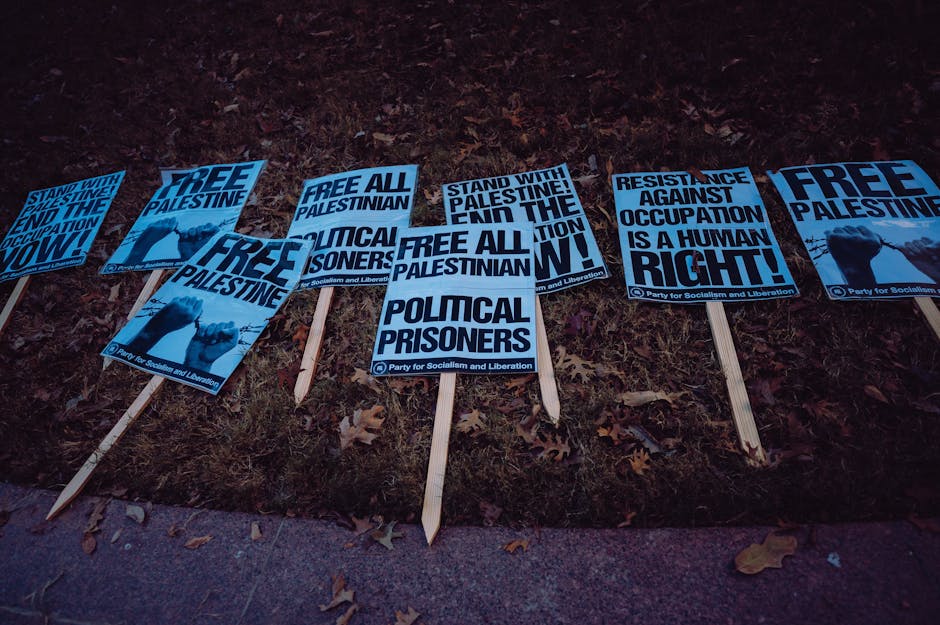
Finally, remember what the lens leaves out: a two-second shutter click can flatten a day’s worth of strategy. Photographs of sit-ins often capture the direct confrontation but not the hours of nonviolence training that preceded it. When you match photos to organizing manuals, field reports, or oral histories, many preserved by the SNCC Digital Gateway, the images gain dimension. A good rule of thumb: treat each photo like a puzzle piece that needs its neighbors.
Listening to the movement speak: testimonies that carry weight
Oral histories make it personal, specific, and sometimes uncomfortable in exactly the ways that honest history requires. The Civil Rights History Project, a joint venture between the Library of Congress and the National Museum of African American History and Culture, brings you into the room with activists, clergy, students, and everyday citizens. You’ll hear about fear, strategy, exhaustion, laughter, and the calculus of risk.
Take Fannie Lou Hamer’s 1964 testimony about being jailed and beaten in Mississippi after trying to register to vote. Her statement, “Is this America?”, was broadcast nationally and is preserved in multiple archives, including curated resources through the Stanford King Institute and the U.S. National Archives. When you listen closely, you catch more than outrage; you hear organizing savvy. Hamer laid out a factual record, appealed to national conscience, and tethered personal harm to systemic barriers. That structure is a master class in public testimony.
Or consider accounts from Freedom Riders who described the choreography of bus schedules, the backup plans, and how jail-no-bail tactics were coordinated across cities. Testimonies in the SNCC Digital Gateway detail how students debated routes and weighed risks to avoid leaving local communities more vulnerable. The value here isn’t only empathy; it’s learning how strategy was built from the ground up.
- Match names and dates: Verify interviewee identities and timelines against archival records.
- Note the setting: Was the testimony recorded contemporaneously or decades later? Memory and reflection both matter, but they serve different purposes.
- Listen for networks: Who trained whom? Which church hosted which meeting? These details tie voices to verifiable movement infrastructure.
How to verify, cite, and share responsibly
Original materials deserve careful handling. Whether you’re a student, educator, creator, or curious reader, a few habits elevate your work from well-meaning to trustworthy.
- Check provenance and metadata. Captions matter. Seek items with creator names, dates, locations, and repository IDs. If an image circulates on social media with no context, try reverse image search and then look for a record at the Library of Congress or National Archives.
- Read across sources. Pair photographs with field reports, newspaper coverage, or court filings. The Stanford King Institute provides speeches, correspondence, and timelines that help triangulate events.
- Respect rights and restrictions. Some images are in the public domain; others aren’t. Repository pages typically note usage rights. When in doubt, ask the archive.
- Cite clearly in-line. Rather than parking a pile of links at the end, credit the source where it’s relevant: “Photo from the U.S. National Archives” linked directly to the holding record.
| Repository | What You’ll Find | Why It’s Useful |
|---|---|---|
| Library of Congress | High-resolution photographs, Civil Rights History Project interviews, manuscripts | Robust metadata, digitized collections, educator guides |
| U.S. National Archives | Federal records, Department of Justice files, press photos, court documents | Official context for events, policy links, reliable captions |
| Smithsonian NMAAHC | Curated exhibits, personal artifacts, oral histories | Interpretive framing, community narratives, teaching resources |
| SNCC Digital Gateway | Organizer profiles, timelines, digitized documents, photos | Insider perspective from student organizers, strategy details |
| Stanford King Institute | Speeches, letters, chronology, scholarly notes | Authoritative texts and annotations for cross-verification |
Reading images and voices like a historian
If you’ve ever learned to taste coffee by noticing notes of fruit or smoke, you can apply the same attention to detail here. With a photograph, look for signage, uniforms, weather, shadows, clues that help date and place the shot. Crowd composition can reveal who felt empowered to stand out front versus who clustered at the edges. A banner’s slogan can locate an organization on the movement’s strategic map: “Freedom Now,” “We Want to Vote,” or union-affiliated language signals different coalitions.
With testimony, pay attention to verbs. Organizers “trained,” “registered,” “coordinated,” and “de-escalated.” Those words point to craft. They distinguish between spontaneous outrage and planned direct action. Where possible, pull the archival record that sits behind the claim. If an interviewee references a mass meeting at a specific church, see if a local paper covered it or if a flyer exists in a digital collection at the Library of Congress or SNCC Digital Gateway.
- Ask what risk looked like on that day for that person.
- Separate eyewitness memory from subsequent interpretation; both are valuable in different ways.
- Identify who is missing: photographers rarely captured backroom negotiations, childcare arrangements, or jail support, yet those were essential.
Putting materials to work (classrooms, projects, and communities
When used thoughtfully, original photographs and testimonies don’t just teach) they mentor. In classrooms, pair a striking image with a two-minute oral history clip and ask students to build the connective tissue: What happened before and after? Who had power to change the outcome? Educators can grab ready-to-use modules and standards-aligned activities at the Smithsonian NMAAHC and the Library of Congress.
Community groups often curate local exhibits that braid national stories with hometown experience: a 1965 march photo from the National Archives next to a church bulletin saved by a parishioner. Creators and journalists can use the National Archives and the Stanford King Institute to verify visuals and quotations before publishing, ensuring accuracy and proper credit. If you’re sharing on social media, include the repository link in the caption, and note the date and photographer if known, it’s a small step that points your audience back to the source and strengthens digital literacy.
And if you’re building a personal project, set yourself a simple standard: every claim gets a source, and every image gets a citation. It’s the research equivalent of wearing a seatbelt, habitual and nonnegotiable.
There’s a reason these photographs and testimonies endure. They carry the texture of decision-making under pressure, and they reward careful attention. When you treat a single image as the start of a conversation and an interview as both memory and method, you get closer to what the movement actually accomplished and how. Use the archives, credit your sources, and keep asking good questions. The result isn’t just a better understanding of the past; it’s a sharper sense of how change is built, documented, and remembered.