Women’s Suffrage Movement Primary Documents and Speeches
Primary documents and speeches from the women’s suffrage movement capture not just milestones but the urgency, disagreements, and strategy behind winning the vote. Read closely, they reveal a movement built through conventions, courtroom defenses, street protests, and painstaking local organizing. They also show how race, class, and region shaped both the rhetoric and the results. This guide pulls together the most-cited texts, what to look for in them, and how they connect to the ratification of the Nineteenth Amendment in 1920 and to the long struggle that followed for voting rights in practice.
Essential documents at a glance
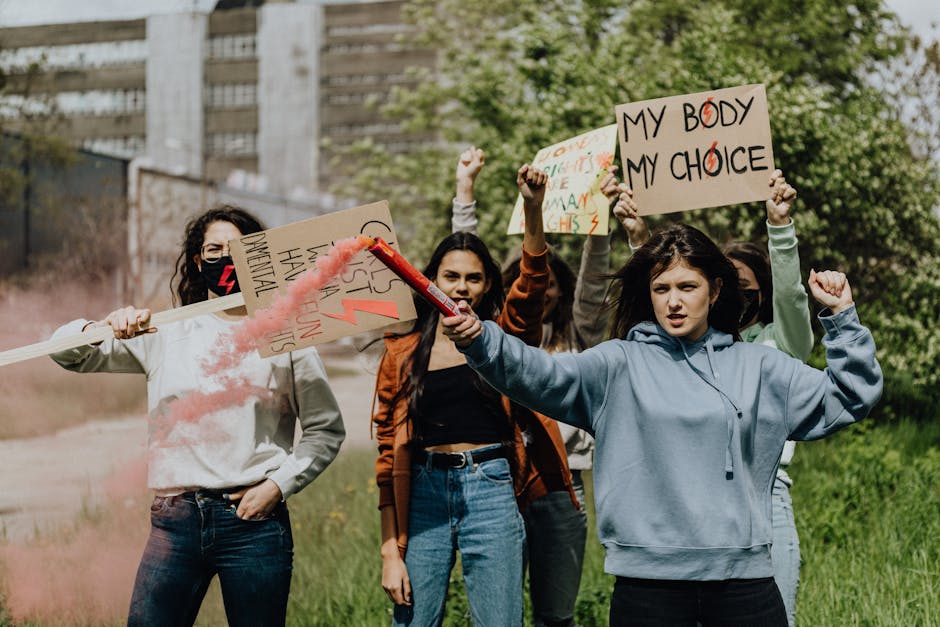
These writings and speeches offer a fast map of the movement’s language, priorities, and tactical shifts across seven decades.
| Document | Author/Speaker | Year | Why it matters |
|---|---|---|---|
| Declaration of Sentiments (Seneca Falls) | Elizabeth Cady Stanton and signers | 1848 | Adapts the Declaration of Independence; asserts “all men and women are created equal.” Frames a rights-based claim to suffrage. |
| “Ain’t I a Woman?” | Sojourner Truth | 1851 | Challenges racial and gender hierarchies; centers Black women’s labor and rights in the suffrage debate. |
| “Is it a Crime for a Citizen of the United States to Vote?” | Susan B. Anthony | 1873 | Constitutional argument after her arrest for voting; sharp critique of disenfranchisement under the 14th Amendment. |
| “Why I Became a Suffragist” and anti-lynching writings | Ida B. Wells-Barnett | 1890s–1910s | Links voting rights with anti-lynching and civil rights; exposes racism within and beyond the movement. |
| “Winning Plan” strategy memos | Carrie Chapman Catt/NAWSA | 1916–1919 | Coordinated state-by-state work with a federal push; shows organizational discipline and message control. |
| Silent Sentinels picket texts and arrests | Alice Paul/National Woman’s Party | 1917–1919 | Militant tactics, prison hunger strikes; reframed suffrage as a democracy test during wartime. |
| Nineteenth Amendment (ratified) | U.S. Congress/States | 1920 | Prohibits voter discrimination on the basis of sex; legal capstone, not the end of voter suppression. |
How to read a suffrage primary source
I’ve sat with these documents in reading rooms and online collections, and the same approach pays off every time: read for audience, law, and limits. Who was being persuaded, and how? What constitutional clause or state law was in play? Who got left out or criticized? A short speech can carry legal theory in plain language. Two examples show the range:
“We hold these truths to be self-evident: that all men and women are created equal.” That line from the 1848 Declaration of Sentiments mimics the nation’s founding text, then quietly widens its promise. The authors list specific “injuries and usurpations,” including denial of the vote and legal identity after marriage. It’s rights talk fused with a policy checklist.
By contrast, Sojourner Truth’s 1851 remarks cut through with lived experience: “I have ploughed and planted, and gathered into barns, and no man could head me.” The force comes from evidence (work done, bodies harmed, voices ignored) turned into a claim to rights that legal language alone had not delivered.
Legal arguments and the Constitution
Susan B. Anthony’s 1873 courtroom speech remains a masterclass in constitutional framing. She insisted the preamble’s “We, the people” included women and that voting was a right of national citizenship. Courts rejected that view in Minor v. Happersett (1875), ruling the Constitution did not guarantee women’s suffrage. The setback pushed leaders to prioritize a federal amendment rather than rely on courts to reinterpret the 14th Amendment.
To explore facsimiles and transcripts of these items, start with the Library of Congress and the National Archives, which host scans and contextual essays that help place the texts in law and time. See loc.gov and archives.gov. Both provide citation-ready versions and links to related materials like court decisions and congressional debates.
Tactics: persuasion, protest, and press strategy
Reading the movement’s papers next to its public-facing speeches shows a deliberate split-screen strategy. Carrie Chapman Catt’s “Winning Plan” sought incremental state victories to build a national win, while keeping messaging broad and respectable to reach moderates. Alice Paul’s National Woman’s Party embraced confrontation, pickets outside the White House with banners quoting President Wilson’s own words about democracy, and then publicizing arrests and hunger strikes to raise the political cost of delay.
Both streams relied on press coverage as a force multiplier. You can see it in the brevity and rhythm of picket texts and in the careful soundbites embedded in convention speeches. The rhetoric anticipates the news cycle of the day: short, quotable, and tied to wartime ideals of liberty.
Race, region, and the movement’s fault lines
Ida B. Wells-Barnett’s essays and speeches refuse to separate suffrage from racial justice. She documented lynching, organized voters, and pressed suffrage groups to confront segregation in their own ranks. Accounts of the 1913 Washington parade record that organizers asked Black women to march at the back; Wells ignored the instruction and took her place with the Illinois delegation. Her journalism shows how access to the ballot was only one step in a broader safety and citizenship fight.
After 1920, many women still faced barriers. Native Americans were not recognized as U.S. citizens until 1924, and many states continued to block Indigenous voters. Black women and men in the South met poll taxes, literacy tests, and violence until the Voting Rights Act of 1965. Reading suffrage speeches with that timeline in mind prevents a false finish; the amendment removed a sex barrier, not the machinery of suppression.
What close reading reveals
- Compare drafts to final versions. Small edits often soften radical claims to win broader support.
- Track legal citations. References to the 14th and 15th Amendments signal strategic pivots.
- Watch headlines and datelines. A speech in a state referendum fight reads differently than one aimed at Congress.
- Note who is named and who is missing. Exclusions point to internal compromises or blind spots.
- Check reprints. Misquotations spread quickly; rely on archives over secondhand anthologies.
Beyond the greatest hits: lesser-cited voices
Local club minutes, church bulletins, and immigrant press columns show how suffrage arguments adapted to daily life. Working women emphasized wage equity and safe conditions alongside the ballot. Western states that enfranchised women earlier left a trail of campaign flyers focused on school governance and public health. These grassroots materials make the national wins legible: they show how volunteers translated constitutional language into neighborhood conversations and precinct-level turnout.
When I first handled a county suffrage leaflet from 1911, the surprise was its practicality. It listed polling locations, child care options on election day, and a phone tree. No lofty prose, just logistics. That kind of ephemera pairs well with the famous speeches because it shows how ideas reached doors and ballots.
Teaching and researching with confidence
Primary sources reward context. Pair Stanton’s declaration with property laws for married women in the same decade. Set Anthony’s 1873 remarks next to the court’s Minor v. Happersett ruling. Read Wells’s suffrage writing alongside her investigative reporting on lynching. Background essays from reference publishers can help frame those juxtapositions without diluting the primary text. Encyclopaedia Britannica’s overviews are a solid orientation point: britannica.com.
Citation discipline matters. Use the archive’s stable URL or catalog number, note the speech venue and date, and record the collection name. Many repositories include scan quality notes and variant transcripts; keep those in your research log to avoid passing along errors.
From words to amendment, and what followed
The arc from Seneca Falls to Tennessee’s ratification vote in 1920 runs through thousands of documents like these. Each one carried a piece of the case: rights language that felt familiar yet expanded; courtroom logic that anticipated counterarguments; protest lines that forced headlines; organizing notes that turned support into votes. The Nineteenth Amendment’s sentence is brief, but the paper trail that made it possible is long and specific.
Reading these sources today sharpens our sense of how change is argued, staged, and won, and where it can stall. The best-known speeches are not museum pieces; they remain working tools for anyone studying rights claims, political messaging, or coalition building. They also keep us honest about unfinished work. The vote became law for women in 1920, and many still had to fight to use it. The documents do not hide that gap. They help explain it and point to the patience and pressure required to close it.