Climate Change by the Numbers: The Latest Environmental Data Insights
Climate data keeps moving, and the trend is clear: the planet is warming, fast. The past year set new records across temperature, greenhouse gases, and sea level. These aren’t abstract figures. They describe the heat in cities, the smoke in summer skies, and the water creeping higher along coasts. The goal here is simple, lay out the latest numbers, explain what they mean, and give you a clear view of where things stand.
Global Temperature: A record-breaking run
Global surface temperature in 2023 was the warmest in the instrumental record. Multiple datasets place it at about 1.45°C above the preindustrial late-1800s baseline. Running averages over the last decade sit near 1.2°C above that baseline, which confirms a long-term climb, not a one-off spike. El Niño added a short-term boost in late 2023 and early 2024, but the underlying driver is the steady rise in greenhouse gases.
The Intergovernmental Panel on Climate Change states that it is “unequivocal that human influence has warmed the atmosphere, ocean and land.” That line summarizes decades of attribution science, which compares observed patterns to model simulations and natural variability. Greenhouse gas fingerprints show up in the vertical structure of warming, the warming oceans, the shrinking spring snowpack, and the decline in Arctic sea ice. See the latest assessment materials at ipcc.ch.
Heat brings compounding effects. Nights are warming faster than days in many regions, which strains public health. Humidity pushes heat index values higher than the thermometer suggests. Power grids face tight margins during hot spells. These are the practical edges of a number like “+1.45°C.”
Greenhouse gases: New highs for CO2, methane, and nitrous oxide
Atmospheric carbon dioxide set another record in 2023–2024, with Mauna Loa observations peaking above 425 ppm during spring 2024 before easing with the seasonal cycle. The annual average now sits roughly three ppm higher than just two years ago. Methane and nitrous oxide also hit new highs, adding to warming potential.
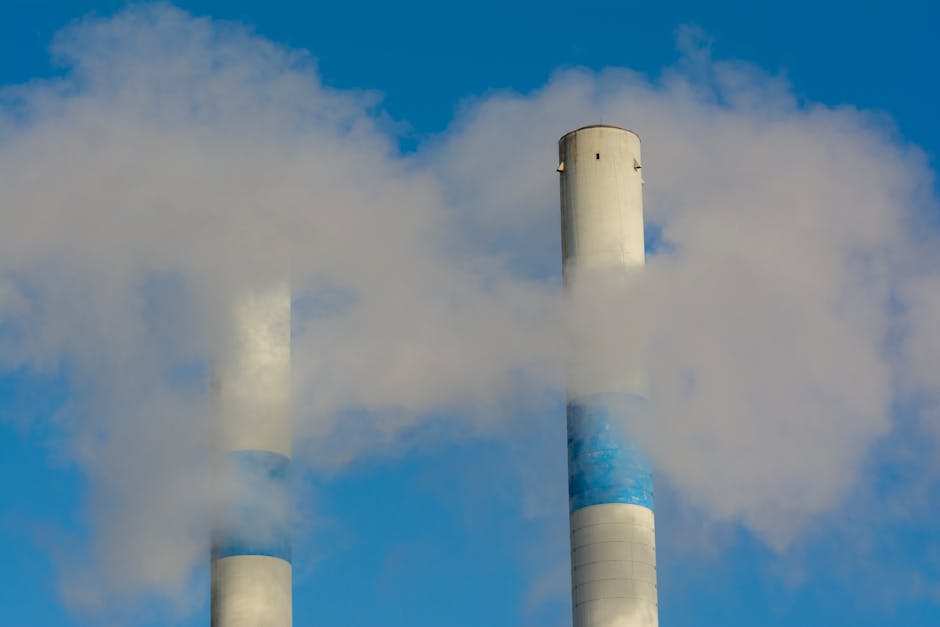
Fossil CO2 emissions reached an estimated 36–37 gigatonnes in 2023, edging up from 2022, according to the Global Carbon Project. Coal use stayed stubborn in some regions, jet fuel demand recovered, and oil use in transport continued to rise. Land-use change emissions remain significant, though more uncertain, due to deforestation and degradation. You can review the latest budget figures at globalcarbonproject.org.
| Indicator | Latest number | Notes | Source |
|---|---|---|---|
| Global surface temperature (2023) | ~+1.45°C vs. 1850–1900 | Warmest year on record; El Niño boosted late-year warmth | noaa.gov |
| Atmospheric CO2 (2024 spring peak) | ~425–426 ppm | New record; annual growth ~2–3 ppm | noaa.gov |
| Fossil CO2 emissions (2023) | ~36–37 GtCO2 | Near all-time high; modest growth from 2022 | globalcarbonproject.org |
| Sea level rise rate | ~3.7 mm/yr (2006–2018); record high in 2023 | Acceleration observed due to ice loss and ocean heat | ipcc.ch |
| Arctic September sea-ice trend | ~−13% per decade since 1979 | Lower extents now common; thickness also reduced | noaa.gov |
Oceans: Heat, sea level, and oxygen stress
More than 90% of the excess heat from greenhouse gases goes into the ocean, so ocean heat content offers a stable measure of long-term change. Global ocean heat content hit a record in 2023, a sign that warming is not pausing. Warmer water expands, adding to sea level rise, and it disrupts marine ecosystems. Marine heatwaves became more frequent and widespread, from the North Atlantic to the Mediterranean, stressing corals and fisheries.
Global mean sea level reached a new high in 2023 in satellite records. Tide gauges echo that rise along many coasts. On reporting trips to low-lying neighborhoods around Boston and Norfolk, residents told me they now plan errands around high tides in fall storm seasons. That “nuisance flooding” used to be rare. It is now a planning factor.
Extremes: Heat, rainfall, drought, and fire
Warmer air holds more moisture, which raises the ceiling on heavy rainfall. Observed records show more intense downpours in many mid-latitude regions, increasing flash flood risk. Heat extremes are climbing faster than mean temperature; the hottest days now reach higher peaks and last longer. Drought risk intensifies when warming dries soils between rains, and that, paired with heat, primes landscapes for wildfire.
Data also shows an expanding fire weather season in several regions. The Canada fires of 2023 pushed smoke far into the United States, a preview of cross-border air quality impacts we can expect more often. Fire risk drivers vary by region (fuel management, ignition sources, and weather) but background warming amplifies the odds of large events.
The carbon budget: How much room is left for 1.5°C?
IPCC AR6 estimated a remaining carbon budget from 2020 for a 50% chance to limit warming to 1.5°C at about 500 GtCO2, with uncertainties. Accounting for emissions since 2020, recent assessments suggest roughly a few hundred gigatonnes remain. At current fossil CO2 emissions near 36–37 GtCO2 per year, the math implies a tight timeline unless emissions fall quickly. That is not a prediction; it’s arithmetic based on published ranges and recent emission paths explained in AR6 summaries at ipcc.ch.
Budget estimates carry uncertainty from climate sensitivity, non-CO2 forcing, and Earth system feedbacks. Still, the direction is consistent: faster cuts reduce risk. Delay locks in additional warming and narrows options later.
Energy and emissions: Where reductions are happening
Electricity is the easiest sector to decarbonize first because wind and solar are now cost-competitive in many markets. Battery storage is smoothing intraday variability and enabling higher renewable shares. Heat pumps are scaling in Europe and North America. New EV sales reached record shares in 2023, led by China and the EU, trimming oil demand growth in light-duty transport.
Other sectors are harder. Heavy industry needs low-carbon heat and new chemistries. Aviation requires sustainable aviation fuels or novel propulsion to cut emissions at scale. Agriculture and land use need better incentives and monitoring. Policies that pair clean supply with demand-side efficiency tend to deliver the quickest wins. Regular readers of NOAA climate reports can also track co-benefits like cleaner air as coal plants retire at noaa.gov.
What the numbers mean for daily life
Statistics feel distant until they alter routines. I carry a simple checklist when planning field interviews in summer heat, because heat stress can sneak up on you during long shoots. Friends in Phoenix text me when overnight lows fail to drop below 90°F, because that’s when sleep and recovery vanish. Coastal families I’ve met now keep flood boots by the door.
- Check local heat index forecasts, not just air temperature.
- Know your home’s flood exposure, including high-tide flooding dates.
- Track air quality during fire season and plan indoor days when PM2.5 spikes.
- Conserve energy during peak hours to reduce grid strain and bills.
These habits aren’t a substitute for emissions cuts, but they convert large-scale signals into practical steps for health and safety.
How to read climate reports without getting lost
Three tips help make sense of technical releases. Focus on rate of change, not just totals; rising rates in sea level or emissions signal acceleration. Compare multi-year averages to filter noise from a strong El Niño or La Niña. Look for cross-checks between independent datasets (satellite, ocean buoys, and station networks) to build confidence in trends. The agencies linked above provide accessible summaries and downloadable data: noaa.gov, ipcc.ch, and globalcarbonproject.org.
When a claim sounds surprising, read the methods tab. Good reports document baselines, uncertainty ranges, and how adjustments are handled. That level of transparency is what separates robust climate monitoring from noisy commentary.
Key takeaways and what comes next
The headline metrics all point the same way. Global temperature set a new record in 2023. Greenhouse gases reached new highs, with CO2 around 425+ ppm at the spring peak. Sea level climbed to a new record, and ocean heat content did the same. Emissions stayed near record levels, leaving a narrow window to align with 1.5–2°C goals.
Progress is visible where policy and markets align (grid decarbonization, heat pumps, EV adoption) but the pace still lags what the physics demands. Cutting emissions quickly while investing in resilience offers the best odds of reducing risk. The numbers will keep updating. The direction will not change until emissions fall decisively and stay down.