Lost Civilizations Original Artifacts and Written Records
Lost civilizations leave behind two kinds of evidence that speak most clearly: the objects people made and the words they recorded. A fired-clay tablet still holds a king’s tax order from four thousand years ago. A chipped obsidian blade still fits the human grip that shaped it. When archaeologists and epigraphers bring those two streams together, daily life, belief, trade, and power come into focus with surprising clarity.
I still remember easing through the crowd around the Rosetta Stone and noticing how shallow and practical the Greek text looks compared with the elaborate hieroglyphs above it. That pairing of an object and a readable record changed how we study Egypt. The same pattern repeats across the globe: where artifacts meet writing, we move from mystery to history.
Why original artifacts matter beyond their beauty
Objects are primary data. Tool marks, residue, and wear patterns tell us how things were used and who used them. A jade cong from Liangzhu shows standardized craftsmanship and ritual roles, while a simple cooking pot reveals diet and fuel choices. Context is everything. Items found in a sealed layer with datable charcoal or in a tomb with known grave goods build a reliable timeline. Items without findspots raise more questions than answers.
Museums and research archives help keep that context alive. The British Museum’s collections, from the Rosetta Stone to cylinder seals, remain a baseline for comparison across sites and time periods. You can browse collection notes and high-resolution images at the museum’s site, which helps specialists and the public track provenience and prior research. Reference: British Museum.
Digital projects amplify the value of artifacts. The open, research-grade images and transliterations in the Cuneiform Digital Library Initiative make tens of thousands of tablets searchable by site, ruler, or scribe. That scale lets scholars test questions about prices, labor, and law with real data rather than hunches. Reference: Cuneiform Digital Library Initiative (CDLI).
Written records: from undeciphered marks to recovered voices
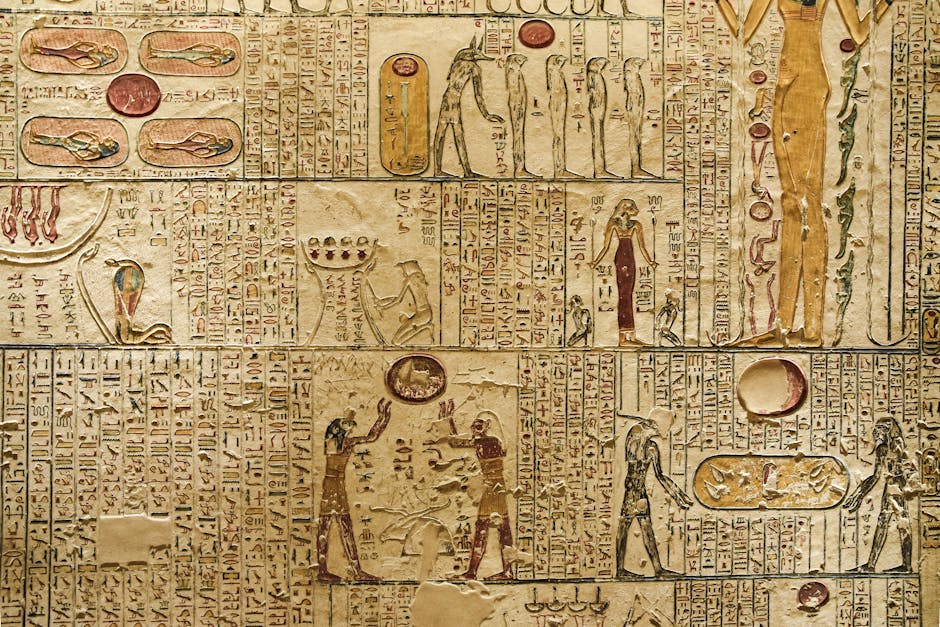
Decipherment often starts with a lucky bridge. The Rosetta Stone, carved with the same text in hieroglyphic, Demotic, and ancient Greek, gave Jean-François Champollion the foothold he needed. It turned pictures into phonetic signs and opened up court decrees, temple inscriptions, and private letters. Reference: Rosetta Stone at the British Museum.
Some scripts broke through by pattern analysis and bold hypotheses. Linear B, the Mycenaean Greek script on clay tablets, was cracked by Michael Ventris using frequency counts and place-name guesses, then confirmed by linguistic checks. Reference: University of Cambridge, Mycenaean Epigraphy.
Other scripts took a village of collaborators. Maya hieroglyphs yielded over decades, mixing phonetic readings, art history, and local knowledge. The Dresden Codex and monumental texts now reveal dynastic wars, astronomical cycles, and tribute. Reference: Dresden Codex (SLUB Dresden) and Dumbarton Oaks Research Library.
Some traditions refuse easy answers. The Indus script on seals from Harappa and Mohenjo-daro remains undeciphered, and scholars debate whether it encodes a full language or a symbol system for names and titles. New finds and rigorous statistical work keep the discussion moving, but no consensus has formed. Reference: Smithsonian Magazine on the Indus script.
Case files: when objects and texts meet
Mesopotamian city archives show how dense documentation can be. Racks of clay tablets record shipments of grain, contracts, prayers, and king lists. That volume lets researchers cross-check climate events, prices, and political change. The Oriental Institute’s Persepolis Fortification Tablets extend this approach into Achaemenid Iran, adding administrative clarity to imperial logistics. Reference: Oriental Institute, Persepolis Fortification Archive.
Mesoamerica offers a different mix. Stone stelae narrate rulers’ accessions and wars, while painted codices preserve astronomical records and ritual cycles. The Dresden Codex’s Venus table aligns with observed cycles, anchoring ritual timing to the sky and confirming a deep scientific thread in Maya court life. Reference: SLUB Dresden.
Not all record-keeping relied on writing in the narrow sense. Inca administrators used khipus (corded, knotted devices) to register counts and categories across a road network that bound mountains and coast. Patterned knots and color groupings carry structured information, and research teams continue to test how much narrative content they might hold. Reference: Harvard Khipu Database Project.
Visits to collections can reset assumptions. Seeing the tiny size of many seals and tablets up close changed how I explain them. These were pocket tools for officials, not grand display pieces. Handling replicas in a teaching lab also clarified how fast an experienced scribe could impress a text into wet clay, which helps explain the sheer volume of Near Eastern records.
- Cross-check the context: field notes, locus numbers, and associated finds reduce guesswork.
- Ask who recorded the text and why: tax, ritual, or commemoration shifts tone and content.
- Watch for modern restoration: new pigments or joins can mask damage or alter readings.
- Prefer datasets you can audit: open images, transliterations, and provenience data build trust.
Preservation, ethics, and new techniques
Authenticity starts with provenience and continues with legal status. The 1970 UNESCO Convention set global standards against illicit trade and guides museum acquisitions and repatriation talks. This framework encourages loans, research access, and returns where appropriate. Reference: UNESCO 1970 Convention.
Technology changes pace and scale. Airborne LiDAR has mapped vast Maya lowland networks hidden under forest canopy, revealing causeways, terraces, and defensive works that shift models of population and labor. Reference: National Geographic on LiDAR in the Maya lowlands.
High-resolution imaging and 3D scanning save surface data before pigments fade and carvings erode. Multispectral imaging has recovered erased text on palimpsests and weathered stelae. Portable XRF and residue analysis link artifacts to quarries, kilns, or foodways, adding movement and taste to the picture of the past.
Sharing data widely does not replace the care of local stewardship. Site museums and regional labs keep context rooted in place and train the next generation of experts. When I visit smaller museums near dig sites, staff often point out details missed in big-city labels, from traditional names for places to seasonal patterns that shaped ancient schedules.
| Civilization/Script | Medium | Status | Landmark Source |
|---|---|---|---|
| Egyptian hieroglyphs | Stone, papyrus | Deciphered | Rosetta Stone (British Museum) |
| Mesopotamian cuneiform | Clay tablets | Deciphered | CDLI |
| Linear B (Mycenaean) | Clay tablets | Deciphered | Cambridge Mycenaean Epigraphy |
| Maya hieroglyphs | Stone, codices | Mostly deciphered | Dresden Codex (SLUB) |
| Indus script | Steatite seals | Undeciphered | Smithsonian Magazine |
Good research practice connects these pieces. Start with secure artifacts, check writing against independent datasets, and stay transparent about uncertainty. Many breakthroughs have come from small corrections: a misread sign in a key name, a tablet re-dated by thermoluminescence, or a LiDAR map that shows a road where none was expected. Minor fixes add up to major shifts.
Ethics deserves the final say. Collecting without context strips objects of meaning and harms the communities linked to them. Strong partnerships with local institutions and clear legal paths for study and display create better science and better public trust. The field is at its best when the people who live alongside these sites lead the work and share in the results.
Original artifacts and written records make lost civilizations tangible and legible. Objects anchor us to real hands and places. Texts carry names, dates, and choices across time. Put together carefully, they turn scattered finds into a coherent story and leave enough open questions to keep curious minds busy. The next tablet, scan, or seal could change the timeline again, which is a good reason to keep reading, visiting collections, and paying attention to how evidence is handled.