Zara’s Fast Fashion Model and Its Global Influence
Zara reshaped apparel retail by proving that design, manufacturing, and distribution can move in lockstep at unusual speed. What began in Galicia, Spain, under parent company Inditex, grew into a tightly run system that turns catwalk cues and street signals into millions of garments within weeks. That speed changed how people buy clothes, how brands plan seasons, and how malls and high streets curate space. Understanding how this engine works explains both its commercial strength and the scrutiny it attracts.
How Zara’s fast fashion machine actually works
Designers, merchandisers, and data analysts sit side by side, using near real-time store and online feedback to tweak assortments. Small initial runs test demand. If an item lands, Zara scales quickly using a network of “proximity” suppliers in Spain, Portugal, Turkey, and Morocco, supported by farther afield production for basics. That pattern compresses design-to-shelf cycles to a few weeks, often 10–15 days for repeats or colorways, a tempo that turned head-turning trends into shelf staples.
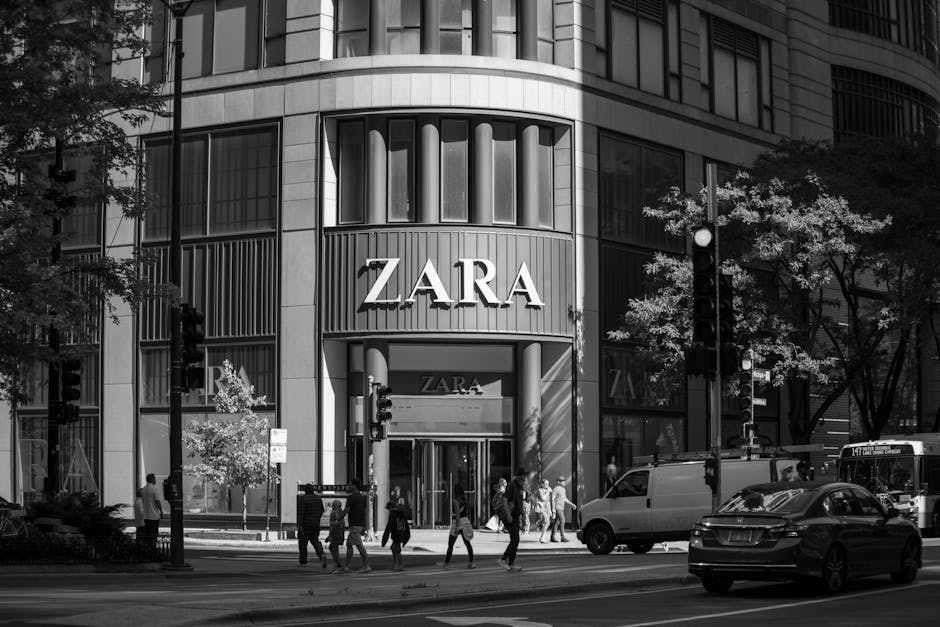
Distribution centers in Spain are the nerve hubs. Product moves frequently (twice weekly deliveries to stores are routine) so floorsets refresh constantly. Store managers feed demand signals back to headquarters, not just units sold but sizes tried and returns, which helps Zara cut aging inventory and keep sell-through high. Inditex describes this as an “integrated store and online” model across its portfolio, but Zara is the pace car. Results published by Inditex show record sales and strong gross margins in recent years, evidence that speed plus control can be profitable even as store counts are rationalized in favor of larger, tech-enabled flagships. See company filings at inditex.com.
| Operating Feature | Zara | Traditional Apparel |
|---|---|---|
| Design-to-store timing | ~2–6 weeks for new styles, ~10–15 days for repeats | ~4–9 months tied to seasonal calendars |
| Initial production run | Small batch to test, scale if demand hits | Large batch planned far in advance |
| Sourcing footprint | High share of proximity sourcing in Europe/N. Africa | Heavier reliance on long-lead Asia sourcing |
| Store replenishment | Twice weekly, rapid refresh | Less frequent, heavier drops |
| Markdown exposure | Lower, due to short cycles and test-and-repeat | Higher, due to forecast risk and bulk buys |
Economics of speed: margins, inventory, and pricing power
Fast cycles are not just for show. They protect gross margin by reducing the time product spends waiting to be sold. Zara’s small-batch tests lower the risk of deep markdowns, while scarcity nudges full-price purchases. Inditex reported record revenue and solid margins in 2023, underpinned by Zara’s performance and fewer, larger concept stores with stronger omnichannel features. The company’s disclosures highlight robust cash generation and disciplined inventory levels, a contrast to peers that struggled with post-pandemic gluts. Company data and press releases are available at inditex.com.
Price positioning sits in the mid-tier, with tight cost control aided by vertical integration steps like fabric pre-positioning and frequent air or truck shipments from Spain. Air freight is expensive, yet the total system often wins: faster reads, fewer duds, and lighter end-of-season baggage. In practice, that means Zara can refresh floors without piling up the long-tail SKUs that erode profitability elsewhere.
Global reach and local nuance
Zara expanded by pairing big-city flagships with a strong digital store. Inditex has trimmed total store counts while enlarging key locations, a strategy reported widely by financial media as an efficiency play that boosts sales density. Reuters has covered how Inditex concentrates investment in prime sites and digital tools (RFID, mobile checkout, and integrated stock) so a shopper can find a size across the chain and receive it quickly. Coverage on strategy and store optimization can be found at reuters.com.
Localization matters. In the U.S., fits and size curves adapt to regional preferences; in China, stores moved toward larger, immersive spaces and faster mobile integration; in Southern Europe, Zara leans into event dressing and seasonal fabric changes. The backbone stays the same (speed and iteration) but the mix flexes by market. From my own store visits in Madrid and New York, the tempo of product change is visible: mannequins wear fresh deliveries midweek, and associates expect regular sell-outs of on-trend pieces within days.
Sustainability tension: progress and pressure
Fast fashion at scale raises obvious questions: textile waste, microtrends, garment worker conditions, and the carbon cost of speed. NGOs and researchers have documented the strain that short use cycles place on landfills and resale channels. Critics argue that even with better materials, higher volumes negate gains. That pushback has led to clearer targets and audits across the industry.
Inditex has published environmental commitments, including climate targets aligned with science-based pathways and a long-term goal to decarbonize its value chain, plus material targets for cotton, polyester, and other fibers. The company also emphasizes proximity sourcing and renewable energy use in operations. Public details on targets, supplier codes, and annual progress sit on inditex.com. Independent reporting tracks both progress and gaps, and major outlets continue to spotlight labor investigations and sector-wide challenges. Balanced coverage appears frequently on businessoffashion.com and reuters.com.
Consumer behavior and competition
Zara’s model trained shoppers to expect constant novelty. Competitors took notes. H&M sped up design cycles, Uniqlo doubled down on seasonless basics, and luxury houses introduced faster pre-collections or experimented with see-now-buy-now drops. Ultra-rapid platforms such as Shein pressed the accelerator harder using marketplace models and algorithmic testing, posing a different challenge: even more SKUs, even shorter cycles, and heavier strain on oversight.
Retailers that survive this pace manage data like a product. They align design calendars with supply decisions, keep buys flexible, and integrate stores with e-commerce inventory. McKinsey’s State of Fashion reports point to supply agility and cost discipline as key predictors of resilience, findings that align with Zara’s long-running playbook. Industry analysis and data can be explored at mckinsey.com.
Practical tips if you shop Zara
Speed cuts both ways. You’ll see more fresh options, but the best pieces go fast and returns pile up if you impulse buy. A few simple habits can make the experience better for you and lighter on the planet.
- Use the app to check store stock and set alerts; buy only what you planned.
- Favor materials with clearer content labels and better hand feel; skip flimsy blends you won’t wear 30+ times.
- Wash gently and mend early; a quick stitch can add a season to a favorite shirt.
- Resell or swap pieces while they’re still current; value drops quickly with this cadence.
What Zara’s influence means next
Speed and data reshaped apparel, and Zara remains the benchmark for turning feedback into product quickly. The company’s integrated system (shorter design cycles, proximity sourcing, disciplined inventory, and large-format omnichannel stores) continues to set expectations for availability and freshness. That influence forces rivals to choose a lane: move faster with control, specialize in evergreen quality, or build communities around niche design.
The next test is whether the same machine can cut emissions and waste at the pace that stakeholders expect. Targets, greener materials, and smarter logistics help only if overall volumes and use cycles improve. Shoppers have a say here. Buying with intent, caring for garments, and moving pieces into second lives puts pressure in the right place while keeping the fun of newness intact.