Exploring the Future of Urban Mobility and Smart Cities
Cities are adding people faster than streets, buses, and rails can keep up. Congestion drags on productivity, transport is a major source of emissions, and access to jobs depends on reliable, affordable trips. Urban mobility is shifting toward connected, electrified, and shared options that can move more people with fewer vehicles and lower emissions. The smart city layer ties it together with data standards, sensors, and payment systems that help riders plan, pay, and transfer across modes without friction.
What’s Driving the Shift
Urban populations keep growing, which raises the stakes for efficient movement of people and goods. The United Nations projects that nearly seven in ten people will live in urban areas by 2050, a trend that intensifies demand for high-capacity transit and safer streets. See population projections at un.org. At the same time, cities face climate targets that push fleets and buildings to decarbonize. Transport remains a leading source of greenhouse gases, so electrification and mode shift are now core policy tools rather than side projects.
Commuting patterns have also become more spread out across the week, not just the 9-to-5 peak. That shifts transit planning toward frequent all-day service, flexible on-demand links, and fare structures that reward regular use without demanding monthly commitments. Private innovation adds pressure and opportunity: ride-hailing, micromobility, and logistics platforms have changed expectations for convenience and real-time information.
The New Mix of Modes
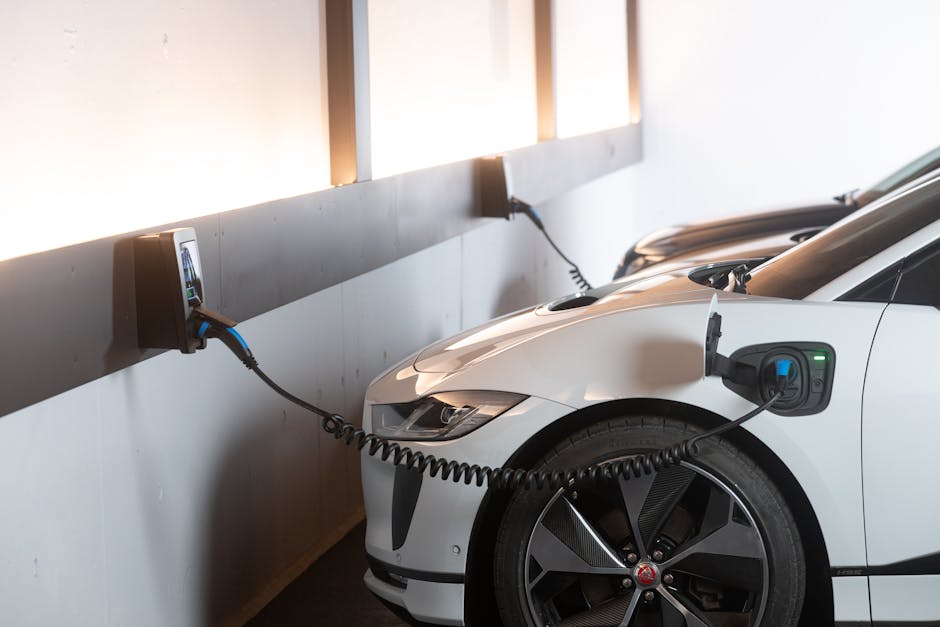
Most cities will not bet on a single solution. A durable mix covers fast trunk corridors with rail or bus rapid transit, connects neighborhoods with frequent buses, and closes the first/last-mile gap with bikes, scooters, and on-demand shuttles. Freight and service vehicles need curb space that is actively managed, not left to chance. Electrification cuts tailpipe emissions but works best when paired with right-sizing: smaller vehicles for short, light trips and high-capacity vehicles for busy corridors.
| Mode | Best Use Case | Relative Emissions | Key Constraints |
|---|---|---|---|
| Metro/Urban Rail | High-demand corridors, predictable trips | Low per passenger-km | High capital cost, long delivery time |
| Bus/BRT | Flexible citywide coverage, rapid upgrades | Low to medium per passenger-km | Street priority needed to stay reliable |
| E-bikes/Scooters | Short trips and first/last mile | Very low per passenger-km | Safe lanes, parking, and rules required |
| On-demand Shuttles | Low-density areas and late-night service | Medium per passenger-km | Pooling incentives and dispatch efficiency |
| Private Cars | Specialized trips and off-peak travel | High per passenger-km when single-occupant | Congestion, parking, and emissions |
Data, Payments, and “Everything in One App”
Trip planning improves when schedules, vehicle locations, and disruptions are shared in open formats. Cities that publish reliable feeds and set clear standards see more accurate third-party apps and better rider experiences. London’s open data policy has supported a thriving ecosystem of journey planners and arrival tools, which helped grow bus ridership and improve satisfaction. Learn more about open data programs at tfl.gov.uk.
Mobility-as-a-Service (MaaS) ties planning and payment together. A traveler can view options across rail, bus, bikeshare, and carshare, then pay once for a combined trip. Account-based ticketing reduces the need for physical cards and lowers costs for agencies. The toughest part is policy, not code: equitable fares, data privacy, and procurement guardrails matter as much as software design.
Electrification at Speed
Battery-electric buses cut local air pollution and operating costs when charged off-peak and maintained at depots designed for high-power loads. Depot upgrades and grid coordination often take longer than vehicle procurement, so program sequencing matters. Passenger EVs keep setting records, and their share of new car sales continues to rise in major markets. The International Energy Agency reported strong global EV sales growth in recent years, along with expanding charging networks and maturing supply chains; see updates and analysis at iea.org.
Taxi and ride-hail electrification can move faster with right incentives: priority pick-up zones for zero-emission vehicles, charging access near airports and nightlife districts, and transparent total-cost-of-ownership tools. Cities that match incentives with reliable infrastructure see adoption jump among high-mileage drivers first.
Streets that Manage Themselves
Smart curb management replaces static signs with digital permits, sensors, and prices that reflect demand. Delivery vans book short time slots, bus lanes use automated enforcement, and passenger loading zones reduce double-parking. Well-designed pricing both disciplines chaotic blocks and funds safety upgrades.
Traffic signals that talk to buses and cyclists can cut delay and improve safety. Transit signal priority reduces bus travel time and improves schedule adherence at a modest cost compared with roadway widening. Protected bike lanes with turn-calmed intersections raise ridership and reduce injuries; these are infrastructure upgrades as much as “smart” features.
Governance, Funding, and Value
Technology helps, but stable policy and funding carry projects over the finish line. Congestion pricing, parking reform, and land value capture provide durable revenue while nudging behavior toward efficient modes. International development institutions have documented cases where integrated land use and transport planning produced higher economic returns for metro and BRT projects; see resources at worldbank.org.
Public-private partnerships can speed delivery when roles and data-sharing obligations are clear. Contracting for outcomes (such as verified uptime, response times, or emission reductions) reduces vendor lock-in and keeps cities in control of core objectives.
Equity Is a Design Requirement
Service spans need to reflect when essential workers travel, not just peak commuters. Lower-income neighborhoods often face longer trips and fewer options. Fare capping stops riders who pay per trip from spending more than those who buy monthly passes on day one. Sidewalk quality, lighting, and safe crossings are as important as vehicle technology for riders with disabilities or caregivers pushing strollers.
I tested an e-scooter pilot in a hilly district and learned that a 250-watt motor can handle grades, but the trip fell apart at the destination due to a lack of corrals. Trips don’t start on the sidewalk and end in the cloud, they begin and end at the curb. Cities that get the last 50 meters right see higher compliance and fewer complaints.
Security, Privacy, and Public Trust
Connected systems create data trails. Agencies need clear retention policies, privacy-by-design in apps, and strict access controls. Cybersecurity drills for transit control rooms and payment systems should be as routine as fire alarms. Trust also depends on transparency: publish performance dashboards, crowding levels, and incident reports in formats riders can understand.
What Residents and Leaders Can Do Next
- Back frequent service: prioritize all-day headways before adding new lines that run rarely.
- Adopt open standards: require real-time data and open APIs in every mobility contract.
- Protect the quick wins: paint, posts, and signal timing can deliver speed and safety this year.
- Align prices with goals: manage curbs and parking with demand-based pricing, and cap fares for riders.
- Plan charging like a utility project: engage the grid operator early and sequence depot upgrades.
City mobility is moving toward a layered network that lets each mode do what it does best. Data and payments unify the rider experience, electrification cuts emissions, and street design delivers safety and speed. The hardest problems tend to be human ones: funding, governance, and trust. The cities that treat mobility as a service, not a collection of hardware, are the ones setting the pace.
Practical progress is possible even without a megaproject. Open data feeds, better bus lanes, and clear curb rules can change daily trips within a budget cycle. When leaders align policy, pricing, and design with clear equity goals, the result is a transport system that saves time, cleans the air, and opens up access to opportunity.