Eyewitness Reports from the Fall of the Berlin Wall
The night the Berlin Wall opened reads like a jumble of shaky announcements, stunned border guards, and people sprinting toward a line that had defined their lives. Eyewitness reports capture the texture of that confusion and joy: the roar of “Tor auf!” at Bornholmer Strasse, the clink of hammers on concrete, the shock on officials’ faces as crowds swelled. The trigger came from a muddled press briefing where East German official Günter Schabowski announced new travel rules and used the phrase “sofort, unverzüglich,” meaning immediately. Within hours on 9 November 1989, people began testing the gates. Accounts from both sides (residents, journalists, and guards) help us see how a rigid system unraveled in real time.
The Announcement That Lit the Fuse
The press conference that evening was not planned as a historic turning point. Schabowski read from notes that he did not fully master, and when asked when the new rules would take effect, he answered, “immediately, without delay.” This phrasing spread like wildfire across Western media and East German television, and East Berliners headed straight for the checkpoints. Contemporary reporting and later reconstructions by German civic education authorities back up how the language created instant expectations that the border should open on the spot. A good overview of the press conference context and transcript excerpts are available at the German Federal Agency for Civic Education, known as bpb, which has published detailed dossiers on 1989 events. See background at bpb.de.
Eyewitnesses who watched the briefing on television recall phoning friends and family within minutes. Others say they grabbed their jackets and left for the nearest crossing without a plan. Reports from the time make clear that people weren’t waiting for instructions; they took Schabowski’s words at face value. Border officials, by contrast, had received no operational orders, which created a dangerous gap between public expectations and the guards’ rulebook.
| Checkpoint | Approx. Opening Time (Local) | Notable Eyewitness/Detail |
|---|---|---|
| Bornholmer Strasse | Shortly before midnight, 9 Nov 1989 | Border commander Harald Jäger later described allowing thousands to pass as pressure mounted |
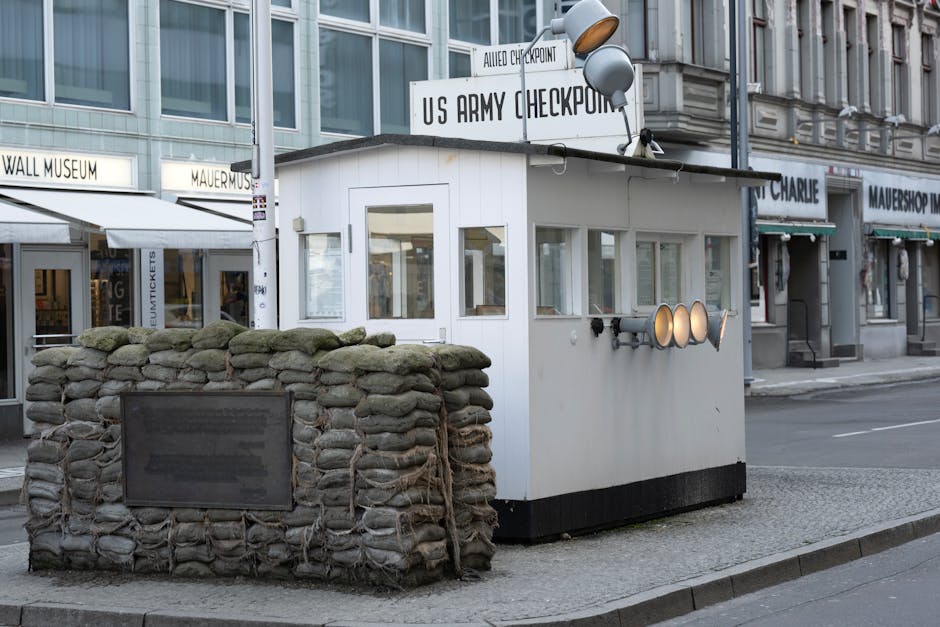
| Checkpoint Charlie | After midnight into 10 Nov 1989 | Journalists, including major US networks, broadcast live scenes of celebrants crossing |
| Potsdamer Platz crossing | 10 Nov 1989 | Rapid buildup of crowds; improvised openings and early “wall-pecking” by residents |
At the Gates: Guards and Residents Face Each Other
Bornholmer Strasse produced the first unambiguous opening. Harald Jäger, the senior officer on duty, later explained that he faced a crowd chanting and growing by the minute. He tried calling superiors for guidance and got none that matched the reality outside his gate. Eyewitnesses on the bridge remember the mood shifting from tense standoff to exhausted relief as the barrier lifted and people surged through. The decision at Bornholmer then cascaded across other crossings. Contemporary coverage from the time, as well as later retrospectives by the bbc.com, describe tens of thousands crossing in the first hours.
Residents describe the emotions in simple terms (shock, laughter, tears) along with immediate practical questions. Some people ran over just to look around and turned back home for work the next morning. Others hunted for relatives they hadn’t seen in years and rode directly to West Berlin bars and bakeries that were legendary in East Berlin kitchens. The human scale of these actions stands out in eyewitness notes: hands shaking as they presented identification, families clutching each other in the crush at the barriers, and neighbors forming ad hoc groups to stay together amid the noise.
What Reporters Saw and Said on the Night
Journalists who were already in Berlin for routine Cold War beats suddenly found themselves narrating a historic reversal. US network anchors broadcast images of people streaming through the checkpoints and climbing the wall near the Brandenburg Gate. One widely quoted on-air line came from NBC’s Tom Brokaw, who declared, “The wall has fallen.” This clipped sentence captured the moment’s blunt reality more than any analysis could. Archival material and anniversary features from nbcnews.com retrace those first live shots, the confusion about which gates were open, and how long it might last.
Reporters on the ground describe a practical struggle: cameras fogging in the cold, equipment damaged by the sheer press of people, and the scramble to find interpreters who could keep pace with rapid-fire exchanges between East German citizens and officials. Many of the most telling quotes are quick fragments rather than polished statements, short questions shouted to guards, cheers from the crowd, and the rhythmic “Tor auf!” that punctuated the night.
The Sound, Feel, and Flow of the Crowd
The sensory details from eyewitnesses repeat across sources, which helps cross-check authenticity. People refer to the cold air on the bridges, the sulfur smell of exhaust as Trabants pushed through, and the offbeat rhythm of hammers striking concrete once people realized they could chip away at the wall without punishment. Some say they expected arrests, then relaxed once the first wave passed without incident. Others remember a quieter, almost businesslike tone inside the checkpoints as border guards stamped papers, lifted barriers, and tried to keep lanes open for ambulances.
- Chants of “Tor auf!” at Bornholmer Strasse and other crossings
- The snap of metal cutters opening new gaps where procedures lagged
- Trabant engines idling for hours, then sputtering across into West Berlin
- Spontaneous toasts with beer or sparkling wine handed over from strangers
Not every crossing looked the same. Some places saw jubilant crowds on both sides greeting each other like a street festival. Other spots unfolded in fits and starts, with delays, contradictory orders, and short re-closures before traffic finally stabilized.
How Eyewitness Accounts Shifted Understanding of 1989
Early official statements portrayed the opening as orderly and planned. Eyewitness reports complicated that picture almost immediately. Residents posted diary entries and letters. Journalists recorded guard testimony and crowd scenes that showed confusion at the top and improvisation at the gates. Over the next several years, oral history projects and public broadcasters collected interviews with border personnel who described being overwhelmed rather than guided by clear orders. These firsthand accounts now anchor many histories of the period because they illuminate how systems fail in practice, not just on paper.
Reliable summaries from outlets such as bbc.com and civic archives at bpb.de consistently point to the same sequence: ambiguous announcement, rapid crowd movement, lack of centralized command, and local decisions by guards that opened the gates. That pattern explains why timing varied by checkpoint and why the mood swung between tension and celebration from one street to the next.
After Midnight: What People Did First
Eyewitnesses often talk about small first steps more than grand speeches. People headed to relatives’ apartments in West Berlin neighborhoods, stopped for pastries they had heard about for years, or grabbed a quick drink and went home, unsure whether the border would close by morning. Shopkeepers and bus drivers on the western side remember extending hours to cope with a sudden crush. Policymakers and analysts began parsing what a permanent opening would mean, but the immediate stories that night were practical: rides offered to strangers, directions shouted across streets, and the makeshift signs that sprung up to guide newcomers through transport hubs.
The accounts also show how quickly the focus shifted from euphoria to logistics. Transit tickets, currency exchanges, and residence rules dominated conversations at kiosks and stations by the next afternoon. Journalists who stayed with families report that many East Berliners went back to work after a short night out, then returned to the West that weekend with friends and parents. Eyewitness material captures this pivot without drama, just the steady practical work of adjusting to a new reality.
Why These Stories Still Matter
Eyewitness reports cut through myths about master plans and inevitable outcomes. The fall of the wall looks less like a scripted climax and more like a chain reaction managed by ordinary people who pushed, waited, and decided in the moment. Those details matter for how we teach the period and how we understand rapid political change. When people describe the tired voices on the phones, the worn ink pads at the border, and the blankets offered to strangers, they anchor history in verifiable, human-scale facts rather than slogans. Modern retrospectives, including those compiled by bbc.com and anniversary reporting at nbcnews.com, make strong use of these firsthand threads for good reason.
The testimony also reminds readers that systems can bend faster than anyone predicts once signals change in public. Schabowski’s words, the guards’ judgments, and the crowd’s behavior together turned a vague policy into a real opening. Sources that document who said what, when people moved, and how checkpoints coped give us a tight timeline and strong evidence base. That is why historians and educators continue to foreground diaries, broadcast transcripts, and guard interviews curated by institutions like bpb.de when they explain November 1989 to new generations.
Eyewitnesses to the fall of the Berlin Wall rarely cast themselves as heroes. Many say they were curious, or worried, or simply following a friend. Yet their quick choices (to walk, to insist, to keep calm when officials hesitated) shaped events as much as any podium speech. Their accounts give us a clear record of how a closed border opened in hours, not months, and how ordinary routines resumed almost immediately, just on different terms.
Their stories also keep the chronology honest. A confusing press conference, a crowd pressing on bridges, the first barrier lifting, and a line from a television anchor that traveled the globe. Taken together, these reports don’t just tell us what happened; they show how it felt to stand at a checkpoint as history shifted, then to wake up the next day and start dealing with the practical life that followed.