How Tesla Revolutionized Electric Vehicle Adoption Worldwide
Tesla didn’t invent the electric car, yet it reshaped how people think about owning one. The company tackled the two barriers that kept EVs on the fringe (range anxiety and sticker shock) by pairing high-efficiency vehicles with a fast, convenient charging network and pushing manufacturing costs down over time. Global momentum followed. Battery-electric vehicles passed 14 million sales in 2023, a result tracked by the International Energy Agency, which credits falling costs and better charging as key drivers of adoption. You can find those figures on iea.org. The most visible catalyst in that run-up was Tesla’s mix of compelling products, tight hardware-software integration, and a willingness to rethink the car business from first principles.
From halo car to mass-market momentum
Tesla proved an EV could be desirable with the Model S, then worked backwards to affordability. The company used a classic “top-down” entry: start with a premium product to build brand and margins, then scale. Model S set range and performance benchmarks in 2012, clearing the perception that EVs were slow or short-legged. That ambition shaped supplier behavior, media coverage, and consumer expectations far beyond Tesla’s early volumes.
The step-change came with Model 3 and later Model Y. These cars hit price points and practicality that pulled EVs into the mainstream. Tesla delivered about 1.81 million vehicles in 2023, based on its annual update and shareholder materials available on tesla.com. Even with growing competition, that output made Tesla the reference point for pricing, range, and software features in battery-electric segments across North America, Europe, and parts of Asia.
| Year | Milestone | Why it mattered |
|---|---|---|
| 2012 | Model S launch | Reframed EVs as high-performance, long-range cars, not compliance vehicles. |
| 2012–2015 | Supercharger rollout | Made long-distance EV travel practical with reliable, high-power charging. |
| 2017 | Model 3 production start | Brought a lower-price, high-volume EV to market and grew total EV demand. |
| 2019 | Gigafactory Shanghai | Localized production in the world’s largest auto market, cutting costs and delivery times. |
| 2023 | NACS adoption by other automakers | Set a path toward charging standardization in North America and wider Supercharger access. |
| 2023–2024 | Price adjustments at scale | Triggered industry-wide pricing moves, improving EV affordability for more buyers. |
Charging as a product, not a utility
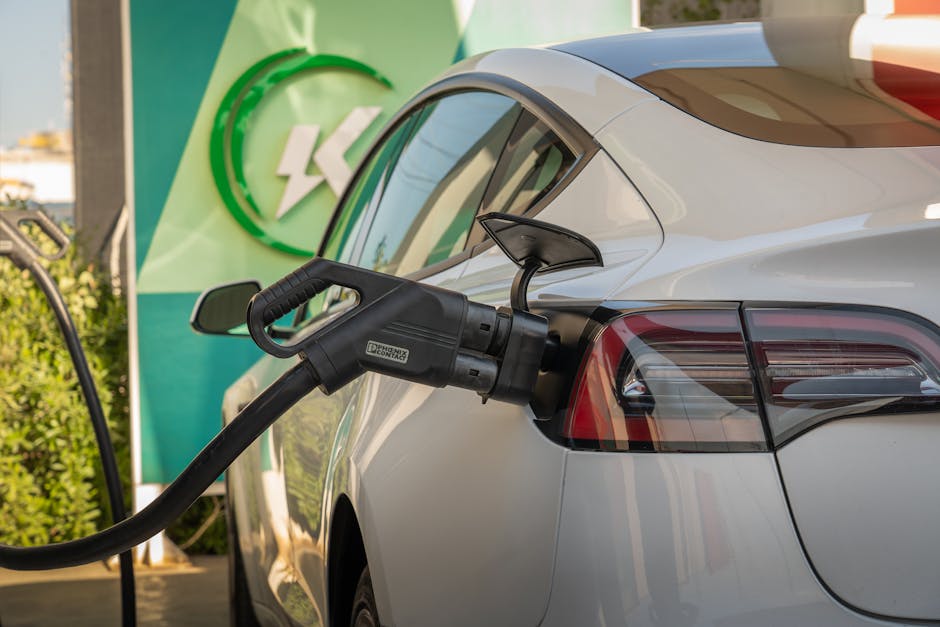
Tesla treated charging like part of the car, not a separate industry. The Supercharger network rolled out in step with vehicle sales, so drivers could plan real trips, not just commutes. That integration (car navigation preconditioning the battery, stall availability shown in-app, payment in the background) reduced the friction that often turns first-time EV buyers away.
Opening Tesla’s North American Charging Standard (NACS) to other automakers in 2022, followed by a wave of adoption announcements in 2023 reported widely by outlets like reuters.com, moved the charging conversation from fragmentation to consolidation. As adapters and native ports roll out, drivers will see simpler cables, more reliable stalls, and less guesswork across brands.
- Plug-and-charge by default: no RFID cards or apps at the stall, which cuts failure points.
- Dense, well-maintained sites: consistent uptime improves confidence for road trips.
- Energy management: cars precondition batteries to hit peak charge rates, shrinking stop times.
A quick personal note: I rented a Model 3 for a 600-mile loop across the Midwest last year. The trip planner scheduled two short stops, and the car hit the advertised charge rates at both stations. That experience (predictable, boring in the best way) reminded me why reliable infrastructure changes minds more than any ad campaign.
Software-first cars change ownership
Over-the-air (OTA) updates shifted consumer expectations. Owners expect phones to get better after purchase; Tesla applied that model to cars. Range improvements, UI tweaks, new safety features, and charging speed optimizations arrived without a service appointment. Competing automakers accelerated OTA roadmaps in response, improving the whole EV category.
Driver-assistance features also influenced buying decisions. Tesla’s approach to data collection at scale helped the company iterate quickly on perception and control software. Claims about safety require care, and results vary by driver behavior and region, but the broader effect is clear: shoppers now evaluate EVs partly on their software roadmaps and update cadence, not just horsepower and trim.
Manufacturing at speed and cost
Tesla treated the factory itself as a product. High-pressure casting, simplified wiring, and cell-to-pack approaches aimed to cut parts and touch time. Some bets paid off immediately; others required rework. The outcome still shifted the cost curve. At volume, those gains translated into list-price pressure across the industry and forced peers to quantify software revenue to protect margins.
Localized gigafactories reshaped supply chains. Shanghai reduced shipping and tariff exposure for China and Asia. Berlin did the same for Europe. Austin pushed North American battery and pack integration. Local content helps with incentives and shortens lead times, which directly supports adoption by reducing wait anxiety and giving fleets a predictable build path.
Demand creation without traditional ads
Tesla built brand recognition through product announcements, owner communities, referral programs, and constant software chatter. The company spent little on traditional advertising for years, yet moved the conversation toward total cost of ownership, not just MSRP. Lower running costs, electricity vs. gasoline, fewer moving parts, became dinner-table topics, especially when owners shared real utility bills and maintenance histories.
Service design played a role. Mobile service reduced downtime, and the app streamlined scheduling and diagnostics. Those touches helped convert fence-sitters who worried about finding EV-savvy technicians. When potential buyers hear that routine maintenance is minimal and most fixes happen in a driveway, it softens the switch from combustion to electric.
Policy ripple effects and industry alignment
Governments used EV adoption targets and incentives to pull demand forward, yet credible products had to meet that pull. As Tesla volumes grew, policymakers could point to real-world performance and network uptime, which supported stronger charging and manufacturing incentives. The International Energy Agency tracks how these policies translate to sales, and its Global EV Outlook shows sustained momentum tied to better vehicles and infrastructure, data that’s accessible on iea.org.
Standardization around NACS in North America and the continued presence of CCS globally nudged a scattered charging scene toward clarity. Suppliers invested in higher-reliability hardware and better payment stacks. Utilities developed EV-specific rate designs and grid integration pilots. Those shifts benefit every automaker selling plug-in cars, not just Tesla.
Where the revolution goes next
Affordability remains the decisive lever. Price moves in 2023–2024 widened the addressable market and forced competitors to respond. Battery costs continue to cycle with commodity markets, yet pack designs, vertical integration, and scale learning still trend downward over time. Fleet buyers now write RFPs with charging uptime and software support clauses that mirror the metrics Tesla published early, which raises the bar for the whole category.
Charging reliability and build quality will decide second owners’ experiences. As leases end and used EV markets deepen, transparent battery health metrics and reasonable replacement costs become table stakes. Companies that communicate real degradation data and warranty performance will earn trust. Tesla’s decisions here influence the pace at which used buyers follow early adopters.
Summary: Tesla accelerated EV adoption by proving that electric cars can be aspirational, practical, and easy to live with. Long-range vehicles, a tightly integrated charging network, and fast software iteration removed friction points that kept EVs niche. Sales scaled, costs came down, and other automakers matched features that once felt experimental.
The story isn’t just about one company. As standards coalesce and infrastructure improves, the entire market benefits. Rigorous reporting from iea.org, production and delivery details on tesla.com, and broad industry coverage on reuters.com show a clear through line: better products and better charging drive adoption. The task ahead is keeping EVs affordable and reliable for the second and third owners who will ultimately define the mainstream.