Amazon’s Logistics Transformation and Its Impact on Global Supply Chains
Amazon has spent the past decade building one of the most sophisticated logistics networks on the planet, moving from a heavy reliance on carriers to orchestrating its own planes, middle-mile trucking, sort centers, delivery stations, and a dense layer of same-day sites. This shift changed customer expectations for speed, rewired how sellers position inventory, and pressured incumbents to match performance benchmarks once thought impractical. The transformation has real consequences for costs, resilience, emissions, labor models, and how goods flow across borders.
How Amazon Rewired Its Network
At a high level, Amazon stitched together four pieces: high-throughput fulfillment centers, regional sortation, dedicated air and middle-mile links, and a large last-mile network built around Delivery Service Partners (DSPs). The newer layer is a ring of same-day facilities closer to dense demand pockets, designed for smaller, faster-moving items. In 2023, Amazon emphasized a “regionalization” push, keep inventory closer to buyers to reduce handoffs and miles traveled, which improves speed and cost.
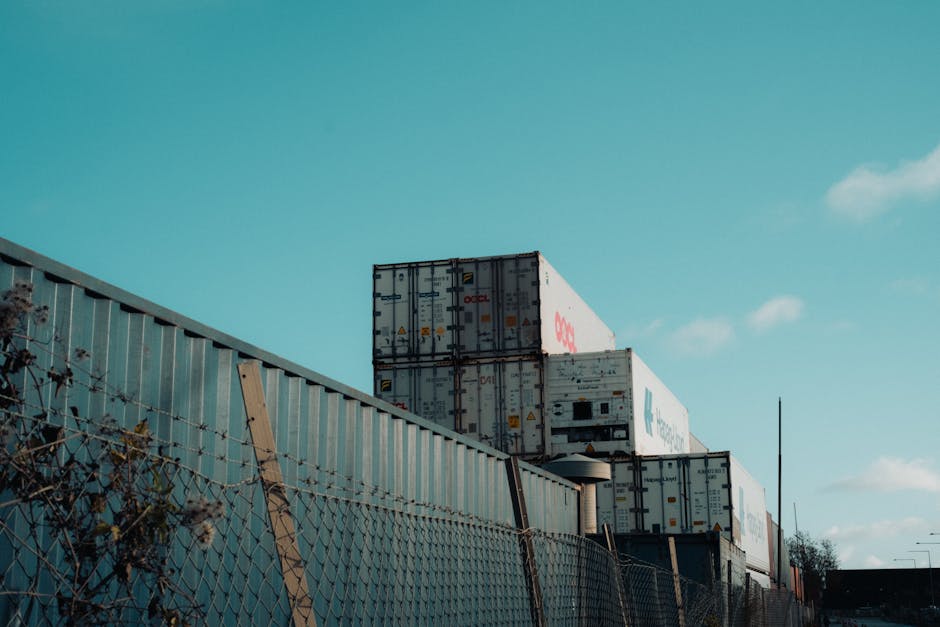
Two details matter for understanding the scale. First, Amazon Air gives the company more control over time-definite middle mile during peaks and disruptions. Second, the DSP model created a flexible last-mile capacity pool with thousands of small businesses operating branded routes. On a facility tour in Phoenix last year, I watched pickers and packers ship a morning order that hit a local sort center by noon and a carrier-agnostic DSP route by late afternoon, an end-to-end path designed around cycle time, not legacy handoffs.
| Milestone | What Changed | Supply Chain Impact |
|---|---|---|
| Regionalized inventory (2023) | Stock placed closer to demand regions | Shorter middle mile, faster cutoffs, lower per-order cost |
| Expansion of same-day sites | Smaller, high-velocity nodes near cities | More next- and same-day coverage without premium fees |
| Amazon Air growth | Time-definite middle mile under Amazon control | More reliable peak performance and recovery from delays |
| DSP last-mile network | Local delivery businesses on Amazon routes | Flexible capacity and geographic reach at scale |
| FBA and Inventory Placement | Amazon-directed positioning for sellers | Higher in-stock rates and Prime speed for marketplace items |
Scale, Cost, and Carrier Dynamics
Amazon’s scale now rivals or exceeds traditional carriers inside the U.S. A Wall Street Journal analysis reported Amazon delivered more U.S. packages in 2022–2023 than either UPS or FedEx, signaling a clear shift in market share for residential e-commerce parcels. Reference: wsj.com. The company’s own disclosures show shipping expense nearing ninety billion dollars in 2023, a figure that reflects how logistics has become a core capability rather than a support function. Reference: amazon.com.
That spend would be untenable without cost-per-package improvements. Regionalization lowers line-haul miles, air capacity smooths peak costs, and DSPs spread fixed costs across many operators. The combination explains why same- and next-day speeds increased while unit economics improved. Amazon has also stated that billions of items arrived same or next day in 2023, underscoring the maturity of the network beyond limited test markets. Reference: aboutamazon.com.
What This Means for Global Supply Chains
Speed is no longer a luxury feature, it is the default. Upstream suppliers now face tighter lead-time expectations and more frequent replenishment signals. The bullwhip effect can soften when real-time demand data feeds regionalized inventory placement, but only if suppliers respond quickly. Brands that once shipped to a few national DCs are being asked to hold inventory in multiple nodes, closer to buyers, which changes working capital profiles.
There is also a quality and compliance angle. FBA and Amazon Global Logistics set packaging, labeling, and routing standards that vendors must meet to access Prime speed. Those rules ripple out to carton design, pallet patterns, and ASN accuracy. I’ve seen midsize brands appoint a “marketplace supply chain lead” solely to manage these requirements, a role that barely existed five years ago.
Cross-Border and the Middle Mile
Amazon Global Logistics gives sellers a lane to move goods from factories to fulfillment centers using integrated ocean and air options, customs brokerage, and destination drayage. For many exporters, the attraction is predictability rather than the lowest rate. A merchant in Shenzhen can plan on a door-to-FBA timeline with fewer handoffs, then lean on FBA to capture Prime conversion in North America or Europe. The result is a smoother path for small and medium businesses to sell transnationally without standing up their own freight stack.
Buy with Prime and Multi-Channel Fulfillment extend pieces of the network beyond Amazon’s retail site. That strategy blurs the line between marketplace and third-party logistics. Retailers and DTC brands gain speed and conversion, but they also accept dependency on Amazon’s service levels and fee structures. The long-term question is whether this creates de facto industry standards for two-day and next-day SLAs across channels, not just on the marketplace.
Labor, Sustainability, and Policy Questions
Scale comes with scrutiny. Worker safety, DSP contractor economics, and unionization debates continue across jurisdictions. Regulators in the U.S. and EU are also watching how integrated logistics influences competition, especially when the same company is both marketplace operator and carrier for many sellers. The policy conversation will shape what data Amazon can leverage across services and what obligations it carries to offer fair access.
On emissions, faster shipping can increase carbon intensity unless offset by smarter inventory placement, fuller routes, and low-emission vehicles. Amazon has invested in electric vans for last mile and is experimenting with sustainable aviation fuel for air. The big lever remains network design: fewer miles per package through regionalization often beats hardware swaps alone.
How Competitors and Partners Are Adjusting
Carriers are leaning into returns processing, heavy-goods delivery, and B2B segments where they have structural advantages. Retailers are pushing ship-from-store and micro-fulfillment to match speed in urban areas. Brands are diversifying: some split inventory between Amazon’s network for Prime demand and a 3PL for wholesale and DTC. Parcel intelligence platforms are getting more valuable because they arbitrate volume between carriers and flag surcharges that quietly erode margins.
Data supports this broad shift. The Pitney Bowes Parcel Shipping Index shows sustained parcel growth and a rising share of residential deliveries, a trend that favors networks optimized for small packages and tight delivery windows. Reference: pitneybowes.com.
Practical Moves If You Operate a Supply Chain
Companies don’t need Amazon’s budget to borrow its playbook. The core ideas are accessible if you apply them with discipline.
- Segment SKUs by velocity and margin, then place the top movers closer to demand even if storage costs rise.
- Shorten feedback loops between sales and replenishment with weekly (not monthly) inventory positioning updates.
- Use regional carriers or gig-enabled couriers for dense ZIP codes while keeping national carriers for reach.
- Track unit economics by step (pick, pack, middle mile, last mile) to see where speed adds or destroys value.
- Pilot same-day from one node before rolling it out; measure conversion lift vs. cost per order.
The Consumer Angle
Shoppers benefit from faster, more reliable delivery windows and easier returns. The hidden trade-off is data: faster service often means tighter integration across checkout, inventory, and delivery. That integration helps with accurate ETAs and fewer split shipments. It also concentrates power with a few logistics platforms that sit between brands and buyers.
From a price standpoint, delivery fees may not rise if networks keep lowering miles per package. The savings show up as fewer touches, fuller vans, and better forecasting. When that engine stalls (during extreme peaks or disruptions) fees and slower windows come back. The stability of fast shipping rests on continuous gains in placement accuracy and route density.
Outlook
Amazon’s logistics machine is now a competitive baseline for e-commerce. Sellers that align their assortments and packaging to this reality see higher conversion and fewer out-of-stocks. Carriers and retailers that differentiate on returns, heavy goods, or omnichannel convenience will still find room to grow.
The global supply chain has absorbed these changes faster than expected. Lead times tightened, data flows improved, and a generation of SMEs began exporting with a level of operational predictability that once required a large back office. The next test is durability, maintaining speed and cost efficiency while meeting tougher expectations on labor standards and emissions. That balance will define who sets the pace over the next five years.