The Vatican Apostolic Archive, formerly known as the Vatican Secret Archive, has long been a subject of fascination and speculation. For centuries, these storied vaults housed the correspondence, decrees, and personal notes of popes, cardinals, and diplomats, shielded from public view. Recent efforts to open portions of these archives have provided historians and the public with unprecedented access to documents that illuminate not only church history but also pivotal moments in global affairs. The gradual unveiling of these hidden papal documents is reshaping our understanding of religious, political, and cultural developments across centuries.
The Origins and Purpose of the Vatican Archives
The Vatican Archives were formally established in 1612 under Pope Paul V, though the practice of preserving papal documents dates back much earlier. Their primary purpose was to safeguard records essential to the governance of the Catholic Church and its interactions with states and monarchs. Over time, the archive grew into one of the most comprehensive repositories of historical documents in existence.
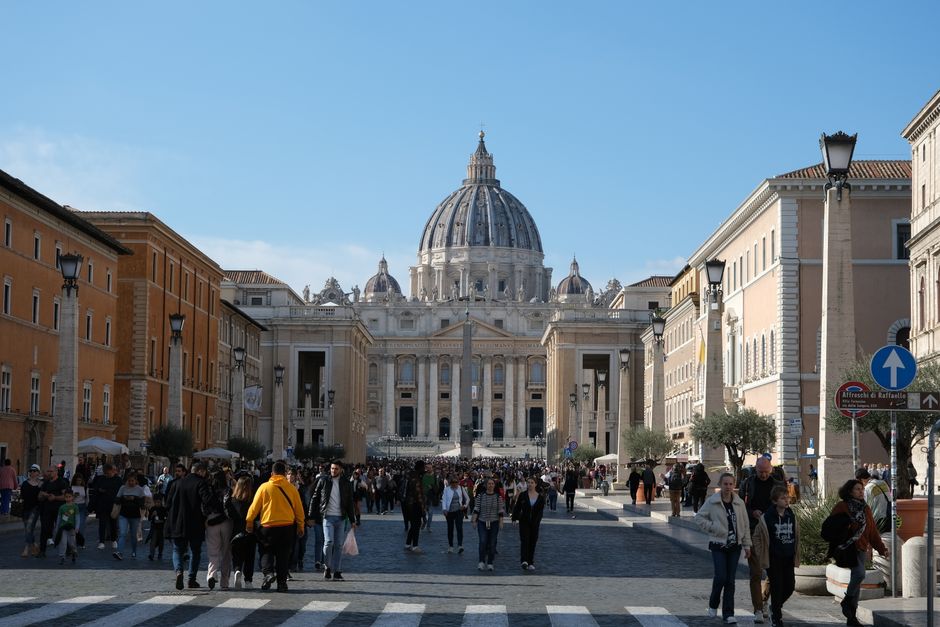
Access to these archives was traditionally restricted to a select group of scholars and church officials. The rationale was twofold: to protect sensitive information and to ensure that documents were interpreted within proper historical and theological contexts. This exclusivity fueled rumors about what secrets might be hidden within the Vatican’s walls, ranging from lost gospels to evidence of political intrigue.
In recent decades, the Vatican has taken steps to modernize its archival practices. Digitization projects and more transparent access policies have made it possible for qualified researchers to examine documents that were once off-limits. This shift reflects a broader recognition of the value these records hold for understanding not just church history, but world history as well.
| Year | Key Development |
|---|---|
| 1612 | Formal establishment by Pope Paul V |
| 1881 | Partial opening to scholars by Pope Leo XIII |
| 2020 | Release of Pius XII’s wartime documents |
What Lies Within: Types of Documents and Their Significance
The Vatican Archives contain an estimated 85 kilometers (53 miles) of shelving packed with manuscripts, letters, papal bulls, treaties, and diplomatic correspondence. These documents span over twelve centuries and cover a wide range of topics, from theological debates to international diplomacy.
Among the most notable items are:
- Papal correspondence with monarchs such as Henry VIII and Napoleon Bonaparte
- Records from the Inquisition and trials of figures like Galileo Galilei
- Documents related to the Second World War and the Holocaust
- Medieval maps and illuminated manuscripts
- Personal notes and diaries of popes
Each category provides a unique lens through which to view both the internal workings of the Catholic Church and its influence on global events. For example, correspondence between Pope Pius XII and world leaders during World War II has been instrumental in reassessing the Vatican’s role during that period (bbc.com).
The Process of Opening the Archives: Challenges and Milestones
The decision to open parts of the Vatican Archives was not taken lightly. Church authorities had to balance transparency with concerns about privacy, security, and potential misinterpretation of sensitive materials. The process involved careful selection of which documents could be made available and under what conditions.
One significant milestone came in 1881 when Pope Leo XIII allowed limited access for academic research. This marked a turning point in how the Vatican approached its archival responsibilities. More recently, Pope Francis authorized the release of documents from the pontificate of Pius XII (1939-1958), a period that includes World War II and the Holocaust. This move was widely praised by historians seeking clarity on controversial issues such as the Church’s response to Nazi atrocities (nytimes.com).
Despite these advances, challenges remain. The sheer volume of material means that cataloging and digitizing documents is an ongoing task. Language barriers (many records are in Latin or archaic Italian) add another layer of complexity for researchers.
Revelations That Changed Historical Narratives
The opening of the Vatican Archives has led to several important discoveries that have challenged or refined established historical narratives. For instance, newly accessible records have provided insight into how popes navigated complex relationships with European monarchies during times of war and reform.
One example is the documentation surrounding Galileo’s trial in 1633. Scholars have been able to review original transcripts, revealing a more nuanced picture of church attitudes toward science than previously understood. Similarly, letters exchanged between Pope Pius XII and Jewish leaders during World War II have contributed to ongoing debates about papal diplomacy and humanitarian efforts.
These revelations underscore the importance of primary sources in historical research. By examining original documents rather than relying solely on secondary accounts, historians can reconstruct events with greater accuracy and context.
The Impact on Scholarship and Public Understanding
The increased accessibility of Vatican archival materials has transformed scholarship in fields ranging from theology to international relations. Researchers now have direct access to documents that shed light on everything from doctrinal disputes to secret negotiations between states.
This openness has also fostered greater public engagement with church history. Documentaries, exhibitions, and academic conferences based on newly released materials have sparked widespread interest among both scholars and laypeople. The ability to scrutinize papal decisions and diplomatic strategies has made it possible to challenge myths and correct misconceptions that persisted for generations.
As someone who has spent time in Rome speaking with archivists and historians, I’ve witnessed firsthand how access to these documents can change perspectives. There’s a sense of excitement among researchers who uncover forgotten stories or clarify misunderstood events. This enthusiasm often translates into more nuanced discussions in classrooms, museums, and even popular media.
Modern Technology: Digitization and Future Access
Modern technology is playing a crucial role in making Vatican archival materials more accessible than ever before. Digitization projects are underway to scan fragile manuscripts and create searchable databases for researchers worldwide. These efforts are not only preserving delicate documents but also democratizing access for those unable to travel to Rome.
The Vatican Library’s digital initiatives have already made thousands of pages available online, allowing scholars from different continents to collaborate on research projects. While full digitization remains a long-term goal due to the massive scale of the archives, progress is steady.
This technological shift is also prompting new questions about privacy, copyright, and data security. Balancing open access with responsible stewardship will continue to be a central challenge for Vatican archivists in the years ahead.
Ethical Considerations and Ongoing Debates
The release of hidden papal documents raises important ethical questions about transparency, historical accountability, and respect for privacy. Some critics argue that certain records should remain confidential out of respect for individuals or communities affected by past events.
Others contend that full disclosure is necessary for justice and reconciliation, particularly when it comes to issues like clerical abuse or complicity in political crimes. The Vatican’s approach has generally been cautious, prioritizing careful review before releasing sensitive materials.
This ongoing debate reflects broader tensions between institutional secrecy and public demand for openness. As more documents become available, these discussions will likely intensify within both academic circles and wider society.
The gradual unveiling of the Vatican Archives represents a significant shift in how history is studied and understood. By granting access to previously hidden papal documents, the Catholic Church is enabling scholars to revisit key moments in religious and political history with fresh eyes. The process has already led to discoveries that challenge long-held assumptions about church-state relations, scientific inquiry, and humanitarian responses during times of crisis.
While many challenges remain (including language barriers, ethical dilemmas, and the sheer volume of material) the benefits for scholarship and public understanding are clear. As digitization continues and more records become accessible, our collective knowledge will grow richer and more nuanced. The Vatican Archives stand as a testament to both the enduring power of historical memory and the evolving commitment to transparency within one of the world’s oldest institutions.