Plastic bags are everywhere, at the checkout counter, in our kitchen drawers, and, unfortunately, scattered across landscapes from city streets to remote riverbanks. But imagine a place where plastic bags are virtually nonexistent, not because people don’t shop or carry things, but because the country decided enough was enough. That’s Rwanda. This small East African nation has become a global poster child for environmental reform, thanks to its bold and uncompromising ban on plastic bags. Rwanda achieved what was once thought unattainable, offering valuable lessons for other countries.
The Roots of Rwanda’s Plastic Bag Ban
In 2008, Rwanda drew international attention for introducing a sweeping prohibition on non-biodegradable plastic bags. The motivation wasn’t just about looking tidy; it was about survival. In the years leading up to the ban, Kigali’s drainage systems were regularly clogged, flooding streets and homes during heavy rains. Farmers complained that their crops struggled to grow in soil choked with plastic. Livestock sometimes died after ingesting discarded bags. The government recognized that plastic pollution was more than an eyesore, it was a threat to public health, agriculture, and economic progress.
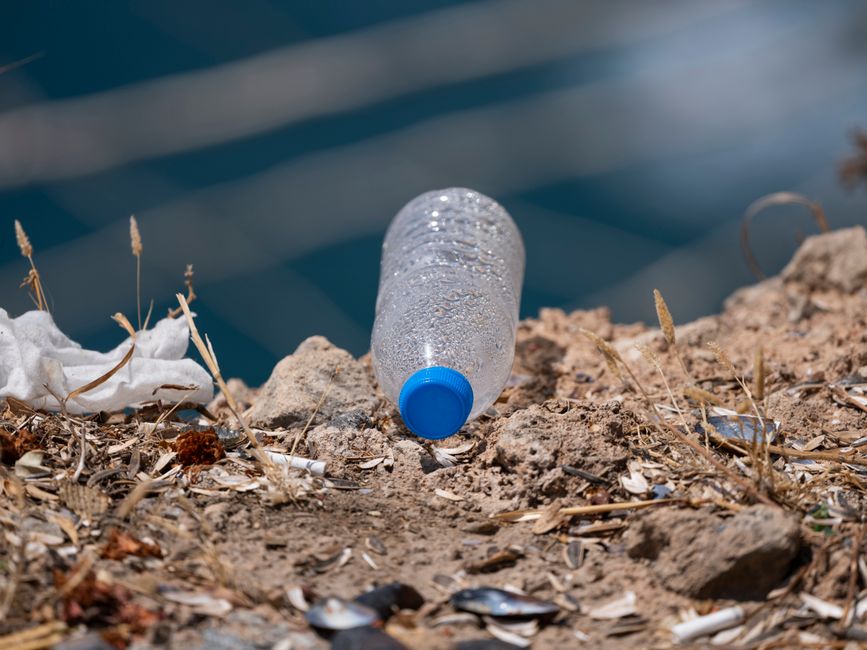
Rwanda’s approach was refreshingly direct: all non-biodegradable plastic bags were outlawed. This wasn’t a half-hearted measure with loopholes for certain industries or consumers. Customs officers at airports and borders began confiscating plastic bags from travelers, and local businesses had to adapt quickly or face stiff penalties. The government paired the ban with public education campaigns, explaining why this drastic step was necessary and how everyone could play a part.
How Enforcement Works: No Room for Compromise
Willpower often falls short when trying to quit sugar or begin a regular workout routine. Systems and accountability matter. Rwanda understood this well. The country set up a multi-layered enforcement mechanism that left little room for backsliding.
- Border Checks: Customs officials inspect luggage for plastic bags at entry points. Even tourists are politely asked to surrender any plastic they bring in.
- Retail Inspections:Inspectors routinely monitor shops and markets to verify they meet regulations. Offenders risk hefty fines or even jail time.
- Community Engagement: Monthly community clean-up days, known as Umuganda, encourage citizens to take pride in their environment and keep public spaces free of litter.
Rwanda’s streets stand out for their cleanliness, surpassing that of most cities around the globe. According to the United Nations Environment Programme (UNEP), Kigali is now often cited as one of Africa’s cleanest cities, a transformation that would have been unthinkable before the ban.
The Ripple Effects: Environmental and Social Impact
Banning plastic bags isn’t just about aesthetics; it’s about creating a healthier ecosystem and society. The results in Rwanda speak for themselves:
| Impact Area | Observed Change |
|---|---|
| Urban Cleanliness | Significant reduction in visible litter; cleaner streets and public spaces |
| Flood Prevention | Improved drainage systems; fewer blockages during rainy seasons |
| Agriculture | Healthier soil; fewer reports of livestock deaths from ingesting plastics |
| Public Health | Lower risk of mosquito-borne diseases due to reduced stagnant water in blocked drains |
| Tourism | Enhanced reputation as a clean, green destination; increased tourist arrivals |
One telling example comes from Kigali’s bustling markets. Switching to paper and reusable cloth bags has driven local entrepreneurs to develop new products and business ideas. Small businesses have sprung up to produce alternatives like baskets and biodegradable packaging. It’s a classic case of necessity breeding invention.
Challenges and Lessons Learned Along the Way
Rwanda’s policies have faced challenges along the way. Some critics argue that the ban initially hurt small traders who couldn’t afford pricier alternatives to plastic. Others point out that enforcement can be strict, sometimes uncomfortably so for visitors unaware of the rules. Yet, these challenges have sparked ongoing dialogue about how to balance environmental protection with economic realities.
The government backed local manufacturers in creating low-cost options and launched public campaigns to help residents adapt. Over time, what seemed draconian at first became normalized. Most Rwandans view clean public spaces as a point of national pride, and the ban has become a routine aspect of everyday living.
- Adaptability:Officials revised policies in response to input from residents and companies.
- Education: Ongoing efforts ensured that everyone understood not just the “what,” but the “why.”
- Inclusivity: Support for small businesses helped cushion the economic impact.
Flexibility makes the difference. Rather than sticking rigidly to one approach, Rwanda has shown that listening to stakeholders and making incremental improvements can lead to lasting success.
The Global Ripple: Can Other Countries Replicate Rwanda’s Success?
Rwanda’s story has inspired countries far beyond Africa. Kenya followed suit with its own tough plastic bag ban in 2017, and several others are considering similar measures. But can every country replicate Rwanda’s results? The answer isn’t straightforward.
What sets Rwanda apart is a combination of strong political will, grassroots engagement, and a willingness to enforce rules consistently. In places where enforcement is lax or public buy-in is low, bans tend to falter. Think of it like trying to keep your kitchen tidy: if only one person cares about cleanliness while everyone else ignores the mess, chaos quickly returns.
Policymakers everywhere can draw important insights from this experience.
- Pair Legislation with Education: Laws work best when people understand their purpose.
- Support Alternatives: Make sure affordable options are available before removing old habits.
- Engage Communities: Grassroots involvement turns policy into culture.
- Enforce Fairly but Firmly: Consistent enforcement builds credibility and trust.
Rwanda drew global attention for its plastic bag ban, implementing the policy in a manner that significantly improved everyday life. The streets are cleaner, the air fresher, and there’s a sense of collective ownership over public spaces that many cities can only envy.
Spotting a plastic bag at the store or drifting along the street can serve as a reminder of how Rwanda eliminated single-use plastics. Bold decisions, combined with collective effort and effective policy, can resolve even deeply rooted challenges. Perhaps it will encourage you to make a difference in your own community.
References:
- United Nations Environment Programme (UNEP)
- The Guardian (The Guardian)
- World Economic Forum (World Economic Forum)
- National Geographic (National Geographic)