Microbiomes are the vast communities of bacteria, viruses, fungi, and other microbes that live on and inside us. Most of them cluster in the gut, but distinct microbiomes also exist on the skin, in the mouth, and in the vagina. These microbes interact with our immune system, extract energy from food, produce vitamins and signaling molecules, and help defend against pathogens. Research over the past 15 years has turned the microbiome from a scientific curiosity into a core part of how clinicians and scientists think about human health. Projects like the NIH-funded Human Microbiome Project mapped what “typical” microbial communities look like and how they vary across healthy people, laying the groundwork for disease research and future treatments (nih.gov).
Evidence ties the microbiome to conditions ranging from recurrent C. difficile infections to inflammatory bowel disease, allergies, metabolic disorders, and even aspects of mood and cognition. Diet, medications, stress, sleep, and early-life exposures can shift these communities, sometimes for the better, sometimes in ways that raise risk. Clinicians now consider microbiome health when advising on antibiotic use or recurrent gut infections, and regulators have cleared the first microbiome-based therapies, a milestone for the field (fda.gov).
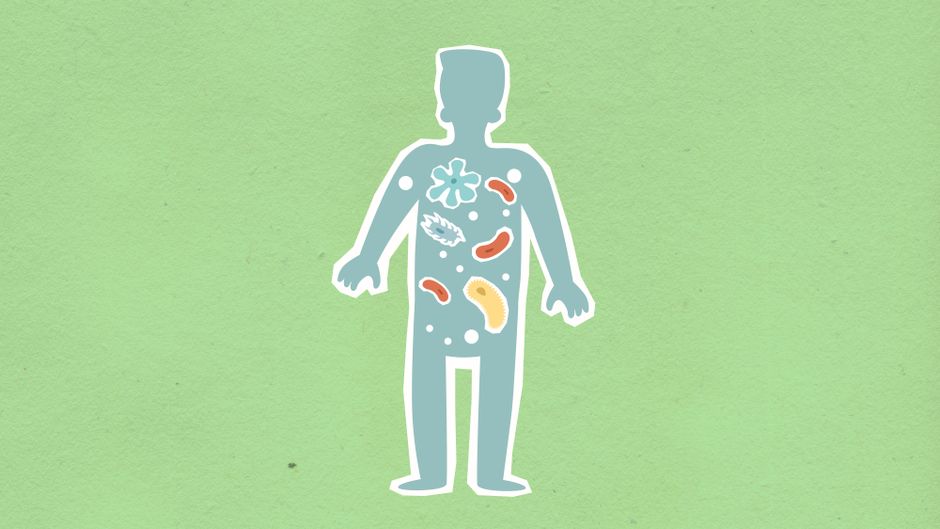
What the human microbiome is and why it matters
The gut microbiome is often the focus because it contains the largest number and diversity of microbes. Many of these organisms perform jobs our own cells cannot. Gut microbes ferment non-digestible fibers into short‑chain fatty acids (SCFAs) such as butyrate, acetate, and propionate. SCFAs fuel cells lining the colon, help regulate inflammation, and influence metabolism. Reviews in major journals link SCFAs to improved gut barrier function, better glycemic control, and immune regulation (nature.com).
Microbial communities also produce vitamins like K and some B vitamins. They outcompete invading pathogens by consuming available nutrients and producing antimicrobial compounds. Disturbances to these ecosystems (often called dysbiosis) can occur after broad‑spectrum antibiotics, severe illness, or repeated gastrointestinal infections. Dysbiosis does not have a single definition, but patterns include reduced microbial diversity, loss of key SCFA‑producing species, and overgrowth of opportunistic organisms. Studies from the Human Microbiome Project and other consortia show that lower diversity often tracks with inflammatory conditions, though diversity is not the only marker of health (nih.gov).
Work on the “gut–brain axis” shows that microbial metabolites and immune signals influence neural pathways. Research in animals and humans links changes in gut microbes with stress responses and certain mood symptoms. Clinicians do not diagnose depression by stool tests, yet the crosstalk between gut and brain is now part of mainstream science, with ongoing trials evaluating whether diet and targeted probiotics affect symptoms (nature.com).
How microbiomes influence key body systems
Immunity and inflammation. The immune system constantly samples microbial products. Balanced exposure helps immune cells learn to tolerate harmless stimuli and respond to threats. Epidemiologic data associate reduced early‑life microbial exposures with higher allergy and asthma risk, often described under the hygiene hypothesis. Mechanistic studies show that specific gut bacteria promote regulatory T‑cell development, which helps prevent overactive inflammation (nih.gov).
Metabolism and weight. People with obesity show distinct microbial patterns in some studies, including lower representation of certain fiber‑fermenting microbes. Landmark research demonstrated that transferring microbiota from obese donors to germ‑free mice could increase adiposity compared with microbiota from lean donors, pointing to causal roles of microbes in energy harvest and fat storage. Human studies add nuance, but the overall message is consistent: what we eat shapes microbes, and microbes influence how we handle nutrients (nature.com).
Gut barrier and infection defense. A resilient microbiome supports the mucus layer and tight junctions that keep bacteria where they belong. Antibiotics can disrupt this ecosystem and increase susceptibility to pathogens such as Clostridioides difficile. The U.S. FDA has approved microbiome‑based therapies (fecal microbiota products) specifically to prevent recurrent C. difficile infection, validating a role for targeted microbial restoration in clinical care (fda.gov).
Skin, oral, and vaginal health. Microbiomes are site‑specific. On skin, Staphylococcus epidermidis can inhibit harmful species through antimicrobial peptides. In the mouth, imbalances relate to caries and periodontal disease. The vaginal microbiome, often dominated by Lactobacillus species, acidifies the environment and helps protect against infection. Disturbances from antibiotics, douching, or hormonal shifts can tip these ecosystems out of balance, raising risk for bacterial vaginosis and some sexually transmitted infections (cdc.gov).
What shapes your microbiome across life
Birth and infancy. Colonization begins at birth and evolves rapidly during the first years. Vaginal delivery, breastfeeding, skin‑to‑skin contact, and household exposures introduce diverse microbes. Cesarean delivery and formula feeding are sometimes associated with different early microbiome patterns. Pediatric research continues to examine whether these differences carry long‑term effects on allergies, asthma, and metabolism. Clinical societies advise against unsupervised “vaginal seeding” because safety and benefit are uncertain (nih.gov; cdc.gov).
Diet and fiber intake. Microbes feast on what we do not digest. Diets rich in diverse fibers support SCFA‑producing microbes and greater diversity. A Stanford randomized trial found that a diet high in fermented foods increased microbiota diversity and reduced inflammatory markers in healthy adults compared with a high‑fiber diet alone, highlighting that fiber and fermentation can play complementary roles (stanford.edu).
Medications. Antibiotics, acid‑suppressing drugs, certain diabetes medications, and chemotherapy agents can shift microbial communities. Antibiotics save lives but can reduce diversity and open ecological niches to opportunists. Guidance from public health agencies urges using antibiotics only when indicated and with appropriate spectrum and duration (cdc.gov).
Stress, sleep, and exercise. Chronic stress and sleep disruption can alter gut motility, mucus, and immune tone, which in turn affects microbes. Moderate physical activity associates with greater microbial diversity and higher levels of butyrate‑producing organisms in several cohorts. These links fit with broader evidence on cardiometabolic and mental health benefits of movement (nih.gov).
Environment and pets. Households with pets tend to share more environmental microbes, which some studies associate with lower childhood allergy risk. Outdoor time and varied food environments likely contribute to microbial exposures that train the immune system (nih.gov).
Practical ways to support a healthy microbiome
I approach microbiome care like other lifestyle foundations. Small, steady steps work better than all‑at‑once overhauls, and consistency matters more than any single superfood. Nutrition clinics I collaborate with also see better adherence when changes fit daily routines.
- Eat fiber from many plants. Aim for beans, lentils, whole grains, nuts, seeds, vegetables, and fruits. Variety feeds different microbes that produce SCFAs linked to gut and metabolic health (nih.gov).
- Add fermented foods regularly. Yogurt with live cultures, kefir, kimchi, sauerkraut, miso, and tempeh offer live microbes and bioactive compounds. The Stanford study showing higher diversity with fermented foods provides clinical backing (stanford.edu).
- Favor minimally processed foods. Diets high in emulsifiers, refined sugars, and ultra‑processed items are linked with shifts in gut microbes and inflammation in experimental and observational work (nature.com).
- Use antibiotics only when needed. Discuss with your clinician whether an infection is likely bacterial and which antibiotic is most appropriate. This protects you and reduces resistance risk (cdc.gov).
- Prioritize sleep and stress management. Regular sleep and stress‑reduction practices such as walking, breathing exercises, or time outdoors support gut rhythms that microbes also follow (nih.gov).
- Move most days. Even brisk walks associate with more diverse microbiomes in cohort studies and pair well with a fiber‑rich diet (nih.gov).
Personal tip from clinic days: keeping two “default” fermented options in the fridge (plain yogurt and kimchi or sauerkraut) makes it easy to hit a daily serving. Patients who batch‑cook a bean‑based soup each week also find it easier to reach higher fiber targets without tracking every gram.
People often ask about prebiotic powders and probiotic capsules. The International Scientific Association for Probiotics and Prebiotics (ISAPP) defines prebiotics as substrates used by host microbes to confer a health benefit, and probiotics as live microorganisms that, when administered in adequate amounts, confer a health benefit on the host. Postbiotics refer to inanimate microorganisms or their components that provide a benefit (isappscience.org). Whole foods that function as prebiotics (onions, garlic, leeks, asparagus, oats, bananas, legumes) are a practical base. Supplements can help in specific scenarios, but product quality and strain specificity matter.
Microbiome medicine today: where evidence is strong and where it is emerging
Proven therapies. Recurrent C. difficile infection is the clearest use case. The FDA has approved fecal microbiota products to prevent recurrence in adults after antibiotic treatment, reflecting consistent evidence that restoring microbial balance lowers relapse rates (fda.gov). These products are regulated for safety and manufacturing quality, which addresses prior variability seen with informal fecal transplants.
Evidence‑based probiotics. Probiotic benefits depend on the strain, dose, and condition. Certain Lactobacillus and Bifidobacterium strains reduce antibiotic‑associated diarrhea risk in meta‑analyses, while others support symptom control in irritable bowel syndrome. ISAPP maintains plain‑language resources on strain‑specific evidence and labeling to help consumers and clinicians match products to goals (isappscience.org). Not every product on store shelves has clinical backing, and some labels do not list strains or viable counts clearly.
Emerging areas. Researchers are testing defined microbial consortia, phage therapies targeting specific pathogens, and small‑molecule drugs that modulate host–microbe signaling. Diagnostics using stool metagenomics or metabolomics aim to personalize nutrition plans and predict responses to treatments. Peer‑reviewed studies show promise, yet routine clinical use remains limited outside of specific infections or research settings (nature.com).
Safety considerations. Most people tolerate fermented foods and dietary fiber well. Probiotics are generally safe for healthy individuals, but risks exist for those who are critically ill, immunocompromised, or with central lines, including rare bloodstream infections. Clinicians and agencies advise medical guidance before starting probiotics in high‑risk groups, and they emphasize purchasing products that disclose strains, potency at end of shelf life, and quality testing (cdc.gov; nih.gov).
How clinicians use this information now. Gastroenterology and primary care teams already integrate microbiome principles into routine counseling: nutrition with plant diversity and fermented foods, careful antibiotic stewardship, and support for sleep and activity. When faced with recurrent C. difficile, they consider FDA‑approved microbiome therapeutics after standard antibiotics. For other conditions, they may try targeted probiotics with documented benefits while monitoring symptoms and avoiding one‑size‑fits‑all approaches.
Patients ask about at‑home microbiome tests. Stool profiling can be interesting and may help researchers, but consumer reports are not diagnostic tools. Clinical decisions still rely on symptoms, laboratory tests, imaging, endoscopy, and established guidelines. If you bring a report to an appointment, expect your clinician to use it as context, not as a stand‑alone map.
When to seek care.