Abraham Lincoln’s Gettysburg Address remains a landmark in American history, recognized for its concise language and lasting influence. Delivered on November 19, 1863, at the dedication of the Soldiers’ National Cemetery in Gettysburg, Pennsylvania, Lincoln’s words redefined the purpose of the Civil War and articulated a vision of national unity and equality. The original manuscripts, written in Lincoln’s own hand, have become treasured artifacts, drawing historians, scholars, and the public alike to study their authenticity and meaning.
The fascination with Lincoln’s handwritten Gettysburg Address is rooted in both its historical significance and the mystery surrounding its original versions. Several versions remain, each revealing distinct nuances that shed light on how Lincoln’s ideas developed and shifted over time. Examining these documents reveals the depth of Lincoln’s language and underscores the need to protect historical manuscripts for posterity.
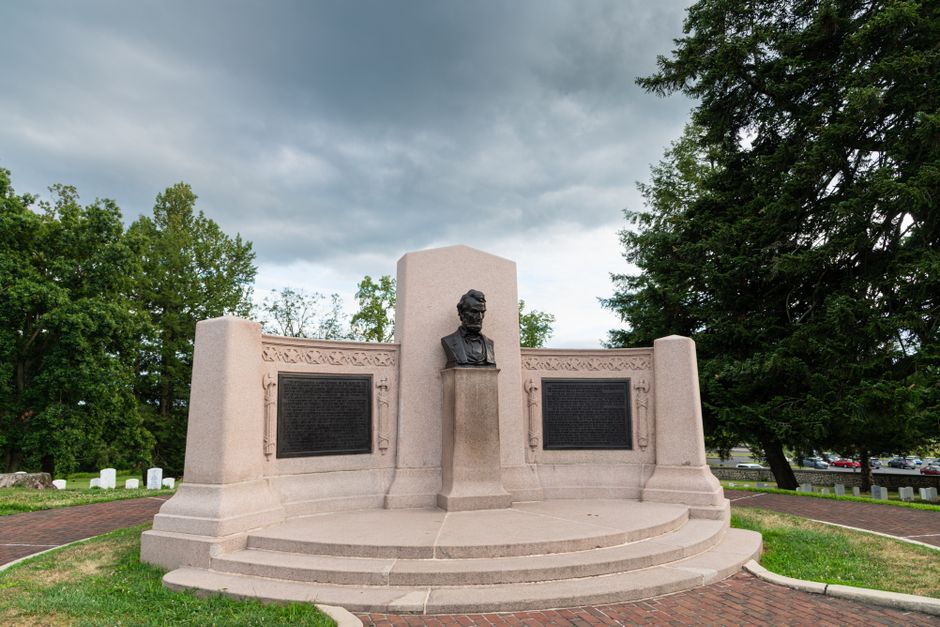
The Historical Context of the Gettysburg Address
The Battle of Gettysburg marked a turning point in the Civil War, resulting in immense casualties and shifting momentum toward the Union. In the aftermath, the creation of a national cemetery at Gettysburg underscored the need for a unifying message. After Edward Everett’s extended address, Lincoln was asked to speak briefly at the cemetery dedication. Despite speaking for only about two minutes, Lincoln’s address resonated deeply with listeners and has endured as a defining statement of American ideals.
Lincoln’s speech emphasized the principles of liberty and equality outlined in the Declaration of Independence. He called on Americans to honor the fallen by committing to a “new birth of freedom” and ensuring that “government of the people, by the people, for the people, shall not perish from the earth.” These themes continue to shape discussions about democracy and civil rights today.
Lincoln’s Handwritten Manuscripts: Versions and Variations
Five known handwritten copies of the Gettysburg Address exist, each named after its recipient: Nicolay, Hay, Everett, Bancroft, and Bliss. Lincoln made subtle changes to the wording and punctuation in each version, revealing edits he introduced before and after presenting the speech. The two earliest drafts (the Nicolay and Hay copies) are believed to have been written around the time of the address itself, while the later versions were produced at the request of individuals seeking souvenirs or charitable contributions.
- Nicolay Copy:Many historians believe this version may have been Lincoln’s working copy for the speech.
- Hay Copy: Similar to the Nicolay version but with minor changes; its purpose remains debated among historians.
- Everett Copy: Written for Edward Everett, who requested a copy for fundraising purposes.
- Bancroft Copy: Created for historian George Bancroft to be included in a charity auction.
- Bliss Copy:The sole copy bearing Lincoln’s signature and date is generally accepted as the definitive version.
The Bliss Copy is often displayed in museums and cited in textbooks because it is considered Lincoln’s final version. Each manuscript provides valuable insight into how Lincoln refined his message to achieve clarity and impact.
Authenticity and Preservation Efforts
Historians and archivists have verified Lincoln’s handwritten addresses through detailed examination. Specialists analyze writing styles, ink formulas, paper materials, and document origins to verify authenticity. The original copies are housed in institutions such as the Library of Congress and the White House, where they are preserved under strict environmental controls to prevent deterioration.
Preservation efforts extend beyond physical care. Researchers and the public can now access these documents through newly produced high-resolution digital scans. The Library of Congress provides high-resolution images and comprehensive background details for each of the five versions.loc.gov). These initiatives help safeguard Lincoln’s legacy while enabling ongoing study and appreciation.
Lincoln’s words continue to influence society today.
The Gettysburg Address has left a lasting imprint on American culture and political thought. Its concise yet powerful language continues to inspire leaders, educators, and citizens. The phrase “government of the people, by the people, for the people” has become synonymous with democratic ideals not only in the United States but around the globe.
Lincoln’s ability to convey profound meaning in just 272 words is often cited as a model for effective communication. Educators frequently use facsimiles of his handwritten address to teach students about rhetoric, history, and civic responsibility. Seeing Lincoln’s handwriting brings a tangible connection to history that printed text alone cannot provide.
- Many visitors to museums report feeling a sense of awe when viewing Lincoln’s original manuscripts.
- Historians continue to analyze subtle differences between versions to better understand Lincoln’s intentions.
- The address is regularly recited at commemorative events, reinforcing its relevance across generations.
Where to View Lincoln’s Handwritten Gettysburg Address
Several institutions hold original copies or high-quality facsimiles of Lincoln’s handwritten Gettysburg Address. The Bliss Copy is on display at the White House, while other versions can be found at the Library of Congress and various presidential libraries. These documents are sometimes featured in special exhibitions or made available online for educational purposes.
For those unable to visit in person, digital archives provide an invaluable resource. The National Archives and Library of Congress websites offer access to images and transcripts, allowing anyone with an internet connection to explore these historic documents in detail. Lincoln’s words and distinctive handwriting stay preserved in public memory through continued access.
Abraham Lincoln’s handwritten Gettysburg Address stands as both a historic speech and a lasting emblem of national values, safeguarded through diligent preservation and academic study. The existence of multiple handwritten versions invites ongoing exploration into Lincoln’s thought process and rhetorical mastery. Providing both physical and digital access to these documents ensures future generations can engage directly with this crucial chapter of American history.