Public health has always relied on accurate data to guide decisions, but the amount and variety of information available today is unprecedented. Digital records, wearable tech, and interconnected health systems now provide access to data volumes that were beyond reach ten years ago. This shift is not just about having more numbers; it is about using these resources to improve health outcomes, identify risks sooner, and allocate resources more efficiently.
Big data in public health refers to the collection and analysis of large, complex data sets that come from many sources. Examples include electronic health records, insurance claims data, environmental sensor readings, and mobile phone usage trends. Collecting this information is difficult, but interpreting it swiftly and precisely is even more demanding. When done well, big data analytics can reveal trends and connections that traditional methods might miss.
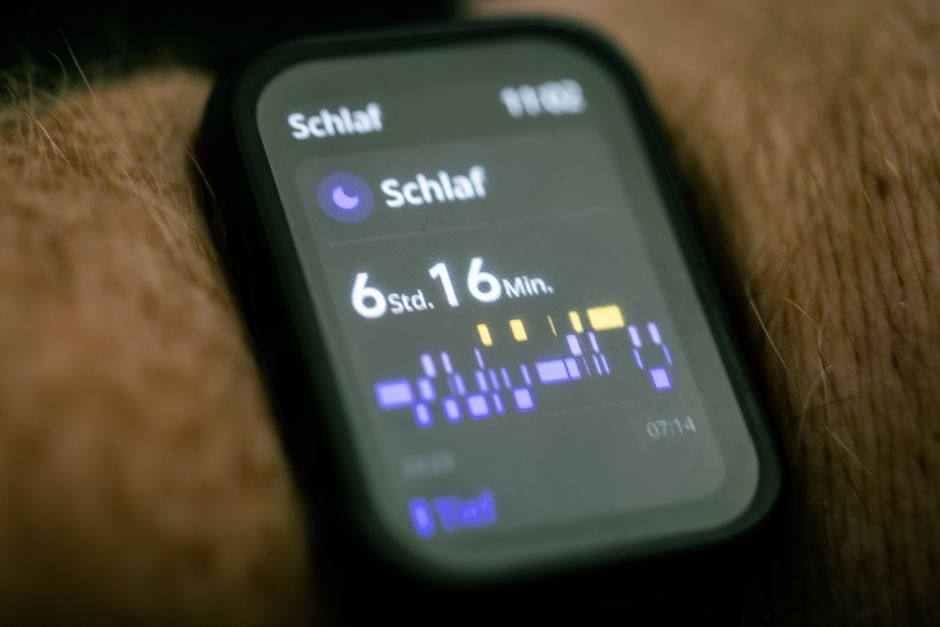
Understanding how big data transforms public health statistics helps explain why governments, researchers, and healthcare providers are investing heavily in new technologies and training. The ability to track disease outbreaks in real time, monitor the effectiveness of interventions, and predict future health needs has become central to modern public health strategy. Big data is transforming how public health statistics are measured, analyzed with advanced tools, and applied to improve outcomes for people and communities.
Defining Big Data in Public Health
Big data is typically defined through its scale, speed, and diversity. In public health, this means collecting massive amounts of information from many different sources at high speed. Data may be organized (such as lab results or hospital admissions) or unorganized, including free-text clinical notes or patient narratives.
Big data combines information from multiple sources into a unified system. Linking weather data to hospital admissions reveals trends in asthma flare-ups and heat-related health issues. This integration allows for more precise analysis and targeted interventions.
The use of big data in public health is not limited to disease tracking. It also supports research into social determinants of health, such as income, education, and housing conditions. Examining these factors with clinical data helps researchers clarify the impact of social and environmental influences on health outcomes.
To manage and analyze these large data sets, public health agencies use advanced computing tools and statistical methods. Machine learning algorithms can identify patterns that would be difficult or impossible for humans to spot. These tools are essential for turning raw data into actionable insights.
This table outlines major origins of big data used in public health.
| Source | Type of Data | Example Use |
|---|---|---|
| Electronic Health Records (EHRs) | Structured clinical data | Tracking chronic disease trends |
| Insurance Claims | Billing and service data | Analyzing healthcare utilization |
| Wearable Devices | Physiological metrics | Monitoring physical activity levels |
| Online platforms where people share content and interact with others | User-generated content | Detecting flu outbreaks |
| Environmental Sensors | Air/water quality readings | Assessing pollution exposure |
Analytics Drive Improvements in Public Health Data
Collecting large volumes of data is only the first step; extracting meaningful information requires robust analytics. Public health professionals use statistical models and machine learning techniques to find trends, correlations, and outliers within these complex data sets.
Predictive analytics is one area where big data has made a significant impact. Models use past trends and present data to predict disease outbreaks and identify groups most likely to face specific health risks. Predictive models estimated hospital bed demand and pinpointed likely hotspots, informing how resources were distributed throughout the COVID-19 pandemic.CDC.gov).
Another important application is real-time surveillance. Automated systems can scan incoming data streams for signs of unusual activity, such as a sudden spike in emergency room visits for respiratory symptoms. Early detection allows public health officials to respond quickly and potentially prevent wider outbreaks.
Data visualization tools play a crucial role in making complex findings accessible to decision-makers and the public. Dashboards that display trends over time or map disease incidence by region help translate raw numbers into actionable insights.
- Predictive modeling for outbreak detection
- Real-time monitoring of health events
- Visualization dashboards for communication
- Automated alerts for unusual patterns
- Integration with geographic information systems (GIS)
Benefits of Big Data for Public Health Decision-Making
The use of big data in public health offers several clear advantages over traditional approaches. One major benefit is improved accuracy in identifying trends and risk factors. Larger sample sizes reduce the impact of random variation and provide a clearer picture of population health.
Big data enables more timely interventions. Instead of waiting weeks or months for survey results or manual reporting, agencies can access near real-time information. This speed is critical during emergencies when rapid response can save lives.
The ability to personalize interventions is another strength. Integrating personal data with large-scale patterns enables programs to address the unique needs of particular groups or single users. Targeted messaging campaigns can help increase vaccination rates in communities with low participation.WHO.int).
Resource allocation becomes more efficient with detailed analytics. Current data allows health departments to allocate resources and personnel where they are most needed, instead of relying on guesswork or obsolete information.
Challenges in Implementing Big Data Solutions
Despite its promise, using big data in public health comes with challenges. Data privacy is a top concern. Collecting sensitive health information requires strict safeguards to protect individual privacy and comply with regulations such as HIPAA in the United States (HHS.gov/hipaa).
Data quality is another issue. Incomplete or inaccurate records can lead to misleading conclusions if not properly managed. Standardizing data formats across different systems remains a significant hurdle for many organizations.
The technical skills needed to manage and analyze big data are in high demand but often in short supply within public health agencies. Training staff or hiring specialists can be costly and time-consuming.
There are also ethical considerations around the use of predictive analytics. Algorithmic decisions require transparency and fairness to prevent perpetuating the biases or inequalities found in their source data.
Big data is reshaping how public health statistics are collected, analyzed, and applied.
Big data is set to play a growing role in public health as new technologies emerge and additional data sources are integrated. Integration with artificial intelligence (AI) promises even greater analytical power, enabling faster and more accurate predictions.
International collaboration is likely to increase as global health threats require coordinated responses. Shared platforms for data exchange can help track diseases across borders and support joint research initiatives (WHO Europe).
Mobile technology adoption will rise as increasing numbers of people rely on smartphones and wearable devices to monitor their health in real time. These tools offer new opportunities for personalized prevention strategies and remote monitoring.
Ongoing research will focus on improving methods for ensuring privacy while maximizing the value of shared data. Secure multi-party computation and federated learning are two approaches being explored to allow analysis without compromising individual confidentiality.
Building Trust Through Transparency and Community Engagement
Trust is essential when using big data in public health. Agencies must communicate clearly about how data is collected, stored, and used. Involving communities in decisions builds trust, respects privacy, and aligns actions with local values.
Transparency about methods and results builds credibility with both policymakers and the public. Publishing findings in peer-reviewed journals or open-access platforms allows independent verification and encourages collaboration among researchers.
Community partnerships play an important role in interpreting findings and designing effective interventions. Local knowledge can provide context that may not be apparent from quantitative analysis alone.
The power of big data lies not just in its scale but in its ability to inform better decisions at every level of public health practice. Methods for gathering, interpreting, and using insights will adapt alongside technological progress. Improving health outcomes relies on making decisions grounded in trustworthy evidence.
References:
- CDC.gov - Centers for Disease Control and Prevention
- WHO.int - World Health Organization
- HHS.gov/hipaa - U.S. Department of Health & Human Services HIPAA Information
- WHO Europe - World Health Organization Regional Office for Europe
- JAMA Network - Big Data in Health Care: Using Analytics to Identify and Manage High-Risk and High-Cost Patients
- NCBI - Big Data Analytics in Healthcare: Promise and Potential