Automation is rapidly reshaping how people work, introducing both opportunities and challenges for employees, employers, and policymakers. As machines and artificial intelligence take on more tasks once performed by humans, the nature of jobs is changing across sectors. This shift is not just about technology, it’s about how society responds, adapts, and prepares for a future where work may look very different from what many have known. Labor policies are at the center of this transformation, evolving to protect workers, foster innovation, and ensure that economic growth remains inclusive.
The Acceleration of Automation and Its Impact on Employment
Automation has been part of the workforce for decades, but recent advances in robotics, machine learning, and AI have accelerated its adoption. According to a 2023 report by the International Labour Organization (ilo.org), nearly half of all work activities could be automated with current technology. This trend is particularly visible in manufacturing, logistics, and customer service, where repetitive tasks are increasingly handled by machines.
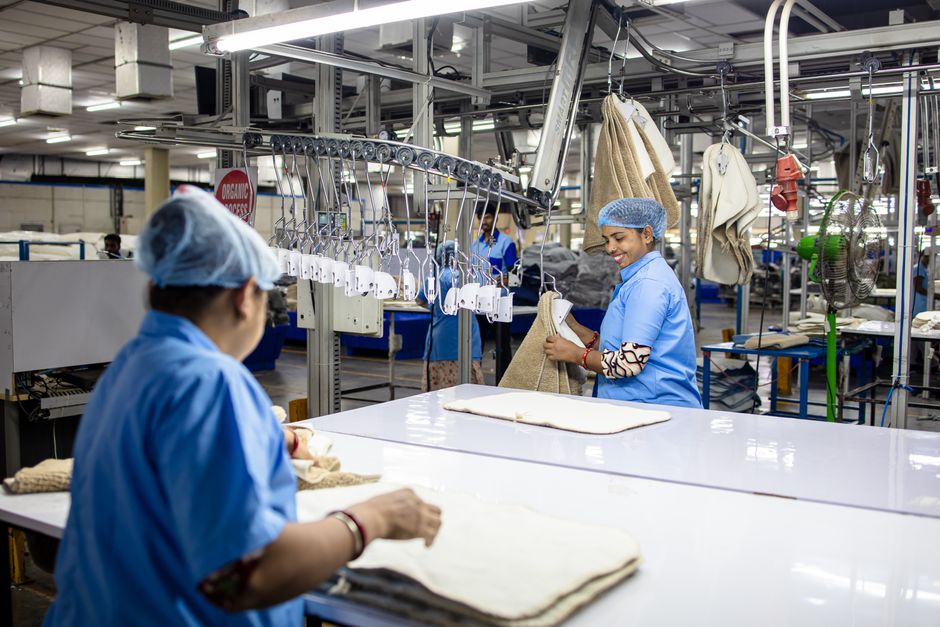
While automation can boost productivity and reduce costs, it also raises concerns about job displacement. The World Economic Forum (weforum.org) estimates that by 2025, automation may eliminate 85 million jobs globally but could also create 97 million new roles requiring different skills. The challenge lies in ensuring that workers can transition smoothly to these new opportunities.
Personal experience from speaking with professionals in the automotive sector highlights a common theme: while some assembly line roles have disappeared, new positions in robotics maintenance and programming have emerged. However, not everyone affected by automation can easily move into these roles without significant retraining.
The impact of automation is not uniform across regions or industries. In countries with strong social safety nets and proactive labor policies, workers often receive better support during transitions. Conversely, regions lacking such frameworks face higher unemployment risks and social disruption.
How Labor Policies Are Responding to Automation
Governments and labor organizations are rethinking traditional policies to address the realities of automation. One major focus is on reskilling and upskilling programs that help workers adapt to new job requirements. For example, Singapore’s SkillsFuture initiative offers citizens credits to pursue training in high-demand fields (skillsfuture.gov.sg), setting a model for other nations.
Another policy response involves strengthening social protection systems. Some countries are experimenting with universal basic income (UBI) pilots to provide a financial safety net for those displaced by automation. Finland’s UBI trial in 2017-2018 provided valuable insights into how such schemes can reduce stress and improve well-being among unemployed individuals (kela.fi).
Labor laws are also being updated to reflect new work arrangements. The rise of gig work and remote employment has prompted changes in how benefits, job security, and worker rights are defined. Policymakers are working to ensure that non-traditional workers receive fair treatment and access to essential protections.
Collaboration between governments, businesses, and educational institutions is crucial for effective policy development. In Germany, the dual education system combines classroom learning with on-the-job training, helping young people gain relevant skills for evolving industries (bmbf.de).
Skills for the Future: Education and Workforce Development
As automation transforms job requirements, the demand for certain skills is shifting. Technical proficiency in areas like data analysis, programming, and machine maintenance is increasingly valuable. However, soft skills (such as problem-solving, adaptability, and communication) are also gaining importance as they complement automation rather than compete with it.
Educational systems are under pressure to evolve quickly. Many schools and universities are integrating STEM (science, technology, engineering, mathematics) curricula alongside critical thinking and creativity training. Lifelong learning is becoming a necessity rather than an option.
From personal observation in professional development workshops, there’s a growing emphasis on micro-credentials and short-term certification programs. These flexible learning paths allow workers to update their skills without committing to lengthy degree programs.
- Technical skills (e.g., coding, robotics)
- Digital literacy
- Critical thinking
- Emotional intelligence
- Collaboration and teamwork
Employers are increasingly investing in workforce development initiatives. Companies like IBM have launched internal training academies to prepare employees for emerging roles within the organization (ibm.com). This approach not only benefits workers but also helps businesses stay competitive in a rapidly changing environment.
Global Perspectives: Comparing Labor Policy Approaches
The response to automation varies widely across countries based on economic structure, political priorities, and cultural attitudes toward work. Some nations have taken proactive steps to integrate automation while minimizing negative impacts on workers.
| Country | Key Labor Policy Response | Notable Outcomes |
|---|---|---|
| Singapore | SkillsFuture credits for lifelong learning | High workforce adaptability; low unemployment rates |
| Germany | Dual education system; strong worker protections | Smooth transition into skilled jobs; robust manufacturing sector |
| Finland | Universal Basic Income pilot programs | Improved well-being among participants; ongoing policy debates |
| United States | Private sector-led reskilling; limited federal support | Pockets of innovation; uneven access to training resources |
| Japan | Government incentives for automation adoption; focus on elderly workforce integration | Sustained productivity; challenges with demographic shifts |
Cultural expectations also play a role in shaping labor policies. In Japan, for instance, there’s a strong emphasis on integrating older workers into the evolving workforce as the population ages (japantimes.co.jp). Meanwhile, the United States relies more heavily on private sector initiatives and less on coordinated national strategies.
The European Union has adopted a balanced approach by promoting digital literacy across member states while supporting social protections through coordinated policies (ec.europa.eu). This helps reduce disparities between countries with varying levels of technological readiness.
As automation continues to evolve, the most successful societies will be those that invest in people as much as in technology. Thoughtful labor policies can help ensure that progress benefits all members of society rather than leaving some behind. Reflecting on these changes encourages ongoing curiosity about how work will continue to transform and what steps we can take today to shape a fairer future for all.