When you hear the words “The Emancipation Proclamation,” it’s easy to imagine a grand, sweeping document that instantly freed every enslaved person in the United States. Abraham Lincoln’s account reveals a deeper and more intriguing truth. Let’s take a closer look at how Lincoln crafted this pivotal document, why he wrote it the way he did, and what it meant for America, then and now.
The Road to Emancipation: Context and Strategy
Picture the United States in 1862: the Civil War is raging, families are divided, and the question of slavery sits at the heart of the conflict. Lincoln, a master strategist as much as a moral leader, understood that any move against slavery had to be carefully timed. He wasn’t just thinking about right and wrong, he was also considering military advantage, political backlash, and the fragile unity of the Union states.
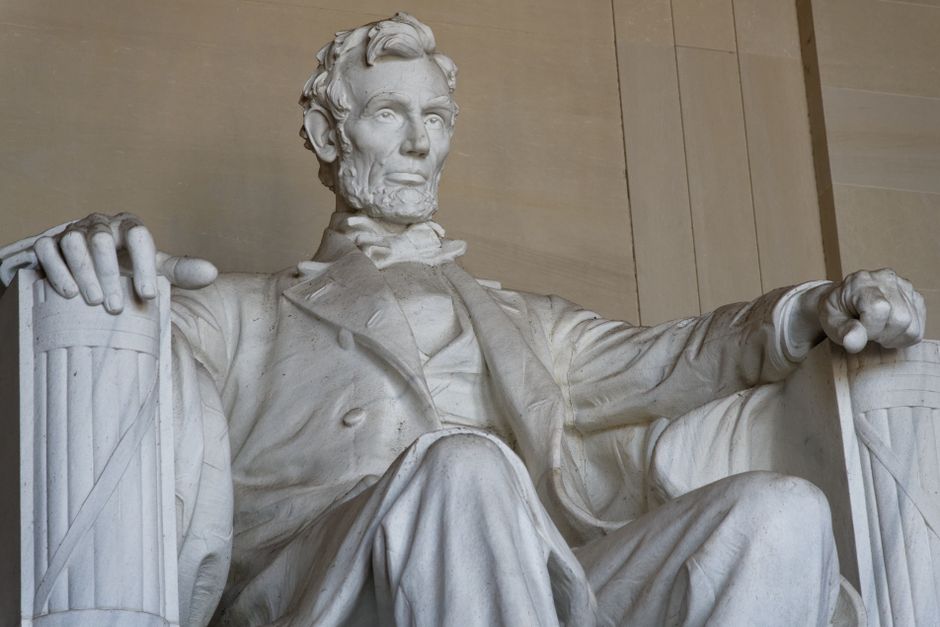
Lincoln’s own words reveal his balancing act. In a letter to Horace Greeley, he famously wrote, “If I could save the Union without freeing any slave I would do it… what I do about slavery… I do because I believe it helps to save the Union.” This wasn’t cold pragmatism; it was a recognition that the Proclamation needed to be both a moral statement and a tool of war.
- Timing: Lincoln waited for a Union victory (Antietam) before issuing the preliminary proclamation, ensuring it wouldn’t look like an act of desperation.
- Scope: The Proclamation only applied to states in rebellion, not to border states or areas already under Union control.
- Legal Authority: Lincoln issued it as a war measure, using his powers as Commander-in-Chief.
The Language of Freedom: How Lincoln Wrote the Proclamation
The Emancipation Proclamation reads more like a formal legal document than an inspiring address. Instead, it’s formal, even legalistic, almost like a contract. Why? Lincoln understood that his words would face close examination from judges, lawmakers, and international leaders. He needed language that would stand up to legal challenges and leave no room for misinterpretation.
Here’s a snapshot of how Lincoln structured the document:
| Section | Purpose |
|---|---|
| Preamble | References Lincoln’s authority as President and Commander-in-Chief |
| Main Declaration | Lists states where slaves are declared free |
| Military Implications | Invites freed people to join the Union Army and Navy |
| Closing Statement | Affirms sincerity and invokes “the gracious favor of Almighty God” |
This approach might seem dry, but it was deliberate. Imagine you’re writing a contract that will change millions of lives, you’d want every clause airtight. Lincoln’s careful wording ensured that the Proclamation would have real force, not just symbolic value.
Immediate Impact: What Changed (and What Didn’t)
The Emancipation Proclamation didn’t instantly free all enslaved people. In fact, on January 1, 1863, when it took effect, its reach was limited to Confederate-held territories, places where Lincoln’s government had no practical control. Yet its impact was seismic in other ways.
- Moral Shift: The war was now officially about ending slavery, not just preserving the Union. This discouraged European powers like Britain and France from supporting the Confederacy.
- Military Strategy:Lincoln’s decision to enlist Black men in the Union Army expanded the military’s available personnel. Nearly 180,000 Black soldiers served in the Union Army before the war ended.National Archives).
- Psychological Blow: News of emancipation spread quickly among enslaved communities, fueling hope and resistance even in areas still under Confederate control.
Still, freedom wasn’t immediate or universal. Enslaved people in border states like Kentucky and Maryland remained in bondage until later constitutional changes. It’s a bit like flipping a light switch in some rooms while others remain dark, the Proclamation started the process but didn’t finish it.
The Legacy: From Paper to Promise
The Emancipation Proclamation set off a chain reaction that would eventually lead to the Thirteenth Amendment, the true legal end of slavery in the United States. But its legacy goes far beyond legal documents. It redefined what America stood for and who could claim its promises.
Consider how the Proclamation has echoed through history:
- Civil Rights Movement: Activists from Frederick Douglass to Martin Luther King Jr. invoked Lincoln’s words as proof that America could change for the better.
- International Symbol:The Proclamation motivated abolitionist efforts across the globe, demonstrating that determined legal action and strong leadership can confront longstanding injustice.
- Cultural Memory: Every year on New Year’s Day (“Watch Night”) communities across America celebrate the moment when freedom became official policy.
It’s worth noting that Lincoln himself saw the Proclamation as both an end and a beginning. In his annual message to Congress in December 1862, he wrote: “In giving freedom to the slave, we assure freedom to the free.” In other words: liberating others strengthens everyone’s liberty.
Why Lincoln’s Words Still Matter Today
The Emancipation Proclamation isn’t just an artifact under glass, it’s a living reminder of how words can reshape reality. Lincoln’s careful phrasing, strategic timing, and unwavering commitment turned a simple executive order into a turning point for an entire nation.
This document demonstrates how a single voice can shape the course of history. It shows us that change is possible (even when it seems out of reach) and that leadership sometimes means choosing your moment with care, then speaking with clarity and conviction.
When you hear about the Emancipation Proclamation, keep in mind that its impact extends far beyond the era in which it was issued. Its echoes are still with us today, in every debate over justice and equality, in every struggle for civil rights. That’s why Lincoln’s words continue to matter, not just as history, but as a call to keep moving forward.
References: