South Korea’s response to COVID-19 drew global attention for its speed and effectiveness. Central to this approach was a contact tracing system that combined digital technology with public health strategy. The system’s ability to track the movement of infected individuals helped contain outbreaks, but it also raised important questions about privacy and civil liberties. Understanding how South Korea balanced these competing priorities offers valuable insights for anyone interested in public health, technology, or personal rights.
When COVID-19 cases began to rise, South Korean authorities moved quickly to identify and isolate those who might spread the virus. They used a combination of mobile phone data, credit card transactions, and CCTV footage to trace the contacts of confirmed cases. This allowed health officials to notify people at risk and recommend testing or quarantine. The approach was credited with helping South Korea avoid large-scale lockdowns and keep case numbers relatively low compared to many other countries.
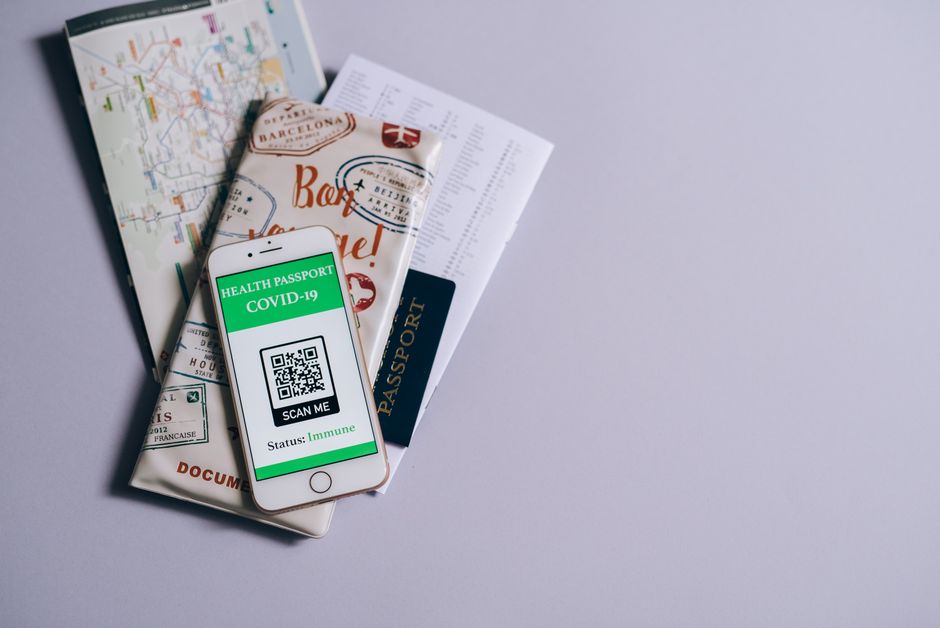
While many praised the system’s effectiveness, others expressed concern about the potential for government overreach. The collection and use of personal data on such a scale had not been seen before in South Korea. Citizens and privacy advocates questioned whether the benefits to public health justified the risks to individual privacy. This debate shapes global conversations on technology and public health policy.
How South Korea’s Contact Tracing System Worked
The contact tracing system in South Korea relied on several sources of data. Health authorities could access information from mobile phone carriers, credit card companies, and surveillance cameras. Officials traced a person’s recent locations using records after a positive COVID-19 test. This process helped identify people who may have been exposed to the virus.
Once contacts were identified, they received alerts via text message. These notifications included details about where and when they might have been exposed. The government also published anonymized movement logs of confirmed cases on public websites, allowing others to check if they had crossed paths with an infected person.
This multi-layered approach made it possible to trace contacts quickly and accurately. It also provided transparency, as citizens could see how cases were being managed in their communities. Publishing movement logs occasionally resulted in individuals being identified through their daily patterns or work locations.
- Mobile phone location data tracked movements over time.
- Credit card records showed where purchases were made.
- CCTV footage confirmed visits to specific locations.
- Text alerts notified potential contacts promptly.
- Public logs increased awareness but risked exposing identities.
The system relied on merging data from various sources and on private companies working together. Legal frameworks established after previous outbreaks, such as MERS in 2015, allowed health authorities to access this information during public health emergencies.
Legal Frameworks and Government Oversight
South Korea’s Infectious Disease Control and Prevention Act provided the legal basis for collecting personal data during outbreaks. Amendments made after the MERS outbreak expanded the government’s authority to access private information for contact tracing purposes. These changes aimed to prevent delays in responding to infectious diseases.
The law required that data collected for contact tracing be used only for public health purposes and deleted after a set period. Oversight mechanisms were put in place to monitor compliance and address complaints from citizens. The Personal Information Protection Commission, an independent body, reviewed cases where privacy concerns were raised.
Despite these safeguards, some critics argued that the laws did not go far enough in protecting individual rights. They pointed out that even anonymized data could sometimes be used to identify people, especially in smaller communities or unique situations. Balancing transparency with privacy remained a challenge throughout the pandemic.
Table: Essential Legal Rules Governing the Use of Contact Tracing Data
| Provision | Description |
|---|---|
| Data Collection Authority | Allows access to mobile, credit card, and CCTV data during outbreaks |
| Purpose Limitation | Restricts use of data to public health activities only |
| Data Retention | Requires deletion of data after a specified period |
| Oversight | The Personal Information Protection Commission oversees monitoring activities. |
| Transparency Requirements | Mandates publication of anonymized movement logs |
The legal framework was designed to enable rapid response while maintaining some level of protection for personal information. Ongoing debates revealed that additional improvements are necessary.
Public Perception and Social Response
South Korea’s contact tracing system relied on both advanced tools and the willingness of citizens to participate. Surveys conducted during the pandemic found that most South Koreans supported strict contact tracing measures if they helped control the spread of COVID-19 (Pew Research Center). Many saw it as a necessary trade-off during a national emergency.
However, there were notable concerns about privacy and potential misuse of data. Some individuals reported feeling uncomfortable with the level of detail made public about their movements. In a few cases, people were identified or stigmatized due to information released through movement logs.
Civil society organizations called for stronger safeguards and clearer guidelines on how data should be handled. They stressed that decision-making should remain transparent and that individuals must be held responsible for improper use of information. These discussions contributed to ongoing efforts to improve privacy protections in South Korea’s digital infrastructure.
- General support for contact tracing during emergencies
- Concerns about long-term data retention and misuse
- Calls for more robust oversight mechanisms
- Instances of stigma linked to public movement logs
- Increased awareness of digital privacy rights
Public trust determines whether large-scale health initiatives that use personal data succeed.
Comparing Privacy Approaches: South Korea vs Other Countries
South Korea’s approach differed from those adopted in many Western countries, where privacy concerns often limited the use of digital contact tracing tools. Many European governments opted for decentralized models, keeping data on users’ personal devices instead of collecting it on centralized servers.BBC News). These systems aimed to protect privacy but sometimes struggled with effectiveness due to limited adoption or technical challenges.
In contrast, South Korea prioritized rapid response and transparency over strict privacy protections. This allowed for more comprehensive tracking but also exposed more personal information. The trade-offs between privacy and safety became a topic of international debate as countries looked for effective ways to manage COVID-19 outbreaks.
This table outlines the main features of contact tracing systems used in various countries.
| Country | System Type | Data Storage | Privacy Level | Effectiveness |
|---|---|---|---|---|
| South Korea | Centralized, multi-source tracing | Government servers | Moderate | High |
| Germany | Decentralized app-based tracing | User devices | High | Moderate |
| Singapore | Centralized app-based tracing | Government servers | Moderate | High |
| State regulations vary across the United States. | Mainly decentralized apps or manual tracing | User devices or local databases | High (varies) | Low-Moderate |
This comparison shows that there is no single best approach. National choices reflected local laws, available technology, and societal views on privacy and health.
Lessons Learned and Ongoing Challenges
The experience of South Korea demonstrates that digital contact tracing can be a powerful tool in managing infectious diseases. It also highlights the need for transparent regulations and strict supervision in managing personal data. As new technologies emerge, policymakers must continue to evaluate how best to balance public safety with individual rights.
The pandemic intensified global debates on digital privacy, extending well beyond South Korea. Governments are now considering how lessons from COVID-19 can inform future responses to public health emergencies. This includes updating laws, improving transparency, and engaging citizens in conversations about data use.
Citizens are also more aware of their digital footprints and the potential risks associated with sharing personal information. Advocacy groups continue to push for stronger protections and greater accountability from both governments and private companies involved in health data management.
- The need for regular review of legal frameworks governing data use
- Independent oversight bodies safeguard individual rights.
- Clear communication with the public about data usage and protection remains essential.
- The challenge of adapting privacy standards as technology changes rapidly
- The value of international cooperation in developing best practices for digital health tools
The ongoing debate about privacy versus safety will likely shape future policies not just in South Korea but globally as societies become more reliant on digital solutions for public health challenges.
Digital contact tracing must balance privacy concerns with public health benefits.
As countries prepare for future pandemics or other large-scale health threats, the question remains: how can societies use technology effectively without compromising fundamental rights? South Korea’s experience offers both a model and a cautionary tale. Strong legal frameworks and robust technology enable swift action, but ongoing oversight is essential to protect privacy.
Public engagement will be essential in shaping future policies. Governments earn public trust when they clearly explain their data collection, usage, and protection practices. Independent oversight can help address concerns about misuse or overreach. At the same time, citizens need access to clear information so they can make informed decisions about participating in digital health initiatives.
Privacy and safety priorities shift over time, adapting to emerging challenges and technological advancements. Drawing on previous lessons and fostering open communication allows societies to balance public health measures with the protection of individual rights amid growing global connectivity.