Smart agriculture is transforming how food is produced, integrating advanced technologies to help farmers achieve higher crop yields while using resources more efficiently. This shift is not just about adopting new gadgets; it’s about rethinking traditional farming methods and leveraging data-driven insights to make better decisions in the field. From precision planting to real-time monitoring, technology is helping address challenges such as climate variability, labor shortages, and the need for sustainable practices.
Recent years have seen a surge in the adoption of tools like sensors, drones, and artificial intelligence across farms of all sizes. These innovations are making it possible to track crop health, optimize irrigation, and apply fertilizers with pinpoint accuracy. The result is a more resilient agricultural sector that can produce more food with fewer inputs, supporting both farmers’ livelihoods and global food security.
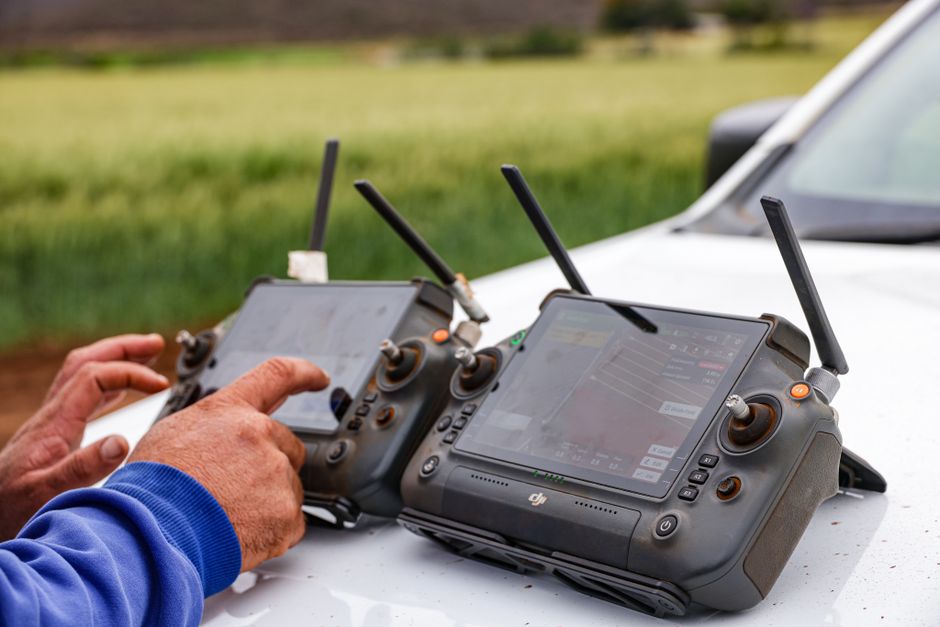
Precision Farming: Data-Driven Decisions on Every Acre
Precision farming uses GPS, satellite imagery, and soil sensors to collect detailed information about fields. This data enables farmers to tailor their practices to the specific needs of each crop and section of land. For example, variable-rate technology allows for the precise application of seeds, water, and nutrients, reducing waste and maximizing productivity.
- Soil sensors measure moisture and nutrient levels, guiding irrigation and fertilization schedules.
- GPS-guided tractors ensure accurate planting and harvesting, minimizing overlaps and missed spots.
- Yield mapping provides real-time feedback on crop performance, helping farmers adjust strategies season by season.
A study published by the nature.com found that precision agriculture can increase yields by up to 20% while reducing input costs by 15%. These gains are especially significant for small and medium-sized farms looking to stay competitive without expanding their acreage.
Smart Irrigation: Conserving Water Without Sacrificing Growth
Water management is a critical concern in agriculture, particularly in regions facing drought or limited water supplies. Smart irrigation systems use weather forecasts, soil data, and plant sensors to deliver water only when and where it’s needed. This approach not only conserves water but also prevents overwatering, which can lead to root diseases and nutrient runoff.
Many farms now use drip irrigation systems controlled by automated valves and connected to cloud-based platforms. These systems monitor soil moisture in real time and adjust watering schedules accordingly. According to fao.org, smart irrigation can reduce water use by up to 30% compared to conventional methods, with no loss in crop yield.
- Automated drip lines target plant roots directly.
- Weather-based controllers adjust irrigation based on rainfall predictions.
- Remote monitoring allows farmers to manage water use from smartphones or computers.
Drones and Remote Sensing: Eyes in the Sky for Healthier Crops
Drones have become valuable tools for monitoring large fields quickly and efficiently. Equipped with high-resolution cameras and multispectral sensors, drones can detect issues such as pest infestations, nutrient deficiencies, or water stress before they become visible to the naked eye. This early detection enables prompt intervention, reducing crop losses and minimizing the need for chemical treatments.
Remote sensing technology also plays a role in mapping field variability and tracking crop development throughout the growing season. By analyzing aerial images, farmers can identify patterns that might indicate underlying problems (such as compacted soil or uneven growth) and take corrective action. The use of drones has been shown to improve scouting efficiency by up to 80%, according to research from agriculture.com.
Artificial Intelligence and Machine Learning: Predicting Outcomes and Optimizing Inputs
Artificial intelligence (AI) is increasingly being used to analyze vast amounts of agricultural data. Machine learning algorithms process information from sensors, weather stations, and historical records to predict crop yields, identify disease risks, and recommend optimal planting times. These insights help farmers make proactive decisions that can boost productivity and reduce losses.
One practical example is the use of AI-powered apps that diagnose plant diseases from smartphone photos. By comparing images against a database of known issues, these apps provide instant recommendations for treatment. Additionally, AI models are being used to forecast market trends, helping farmers decide what crops to plant based on expected demand and prices.
- Yield prediction models support better planning and resource allocation.
- Disease detection tools enable targeted interventions.
- Market analysis helps align production with consumer needs.
Sustainability and Environmental Impact: Balancing Productivity with Responsibility
Smart agriculture is not just about increasing yields, it’s also about reducing environmental impact. By applying inputs more precisely and monitoring field conditions in real time, farmers can minimize runoff, lower greenhouse gas emissions, and protect biodiversity. Many technologies support regenerative practices such as cover cropping, reduced tillage, and integrated pest management.
Personal experience working with local growers has shown that even small changes (like switching to sensor-guided irrigation or using drone imagery for pest management) can lead to measurable improvements in both yield and sustainability. The push toward digital record-keeping also makes it easier for farms to track their progress and demonstrate compliance with environmental standards set by organizations like usda.gov.
Smart agriculture is reshaping Precision tools, smart irrigation systems, drones, AI-driven analytics, and a focus on sustainability are enabling farmers to produce more food with fewer resources. As these innovations become more accessible, they offer practical solutions for growers facing economic pressures and environmental challenges, helping ensure a secure food supply for generations to come.