Let’s be honest: when most people hear “Magna Carta,” their minds drift to a dusty corner of a history classroom, perhaps recalling a teacher’s voice echoing about “rights” and “kings.” But the Magna Carta isn’t just a relic; it’s a living document, still sparking debate and fascination more than 800 years after it was first sealed. What happens when we peel back the layers and look at the original manuscripts themselves? The answer is far more exciting (and relevant) than you might expect.
The Magna Carta: More Than Just Parchment
In June 1215, King John of England, under pressure from rebellious barons, affixes his seal to a charter at Runnymede. This wasn’t just a symbolic gesture. The Magna Carta (Latin for “Great Charter”) was a direct response to real grievances about royal overreach, unfair taxes, and arbitrary justice. This medieval agreement, inscribed in Latin on parchment, has shaped constitutions and legal frameworks across the globe for centuries.
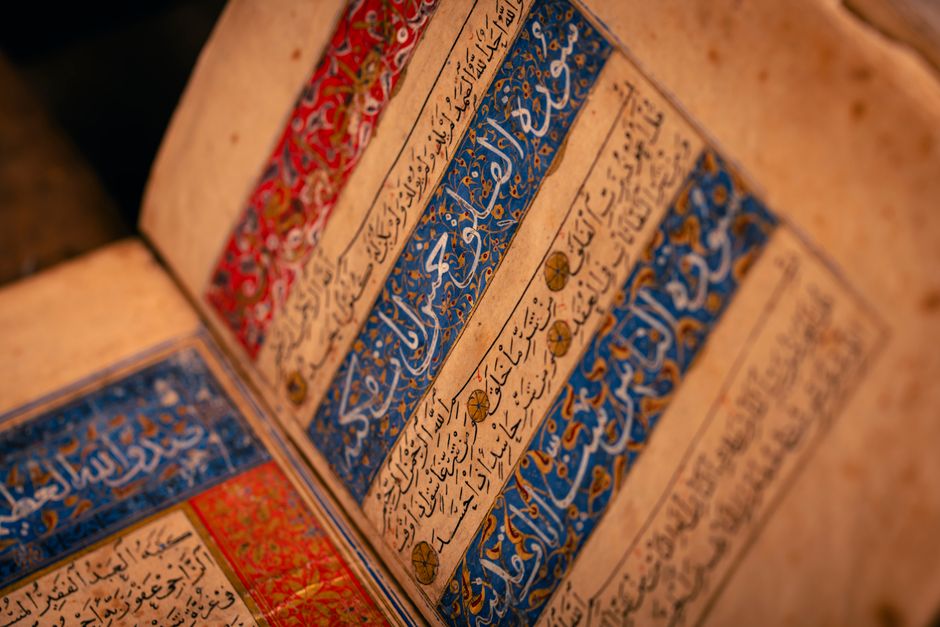
Why revisit the original manuscripts? Because the devil is in the details. Each surviving copy tells its own story, about politics, power struggles, and the painstaking process of medieval record-keeping. Close analysis of these manuscripts has revealed scribal mistakes and nuanced wording shifts that influenced historical events.
Decoding the Manuscripts: What Survives and What They Reveal
Only four original 1215 Magna Carta manuscripts survive today, all housed in the United Kingdom. Each version differs subtly because scribes, often working quickly, introduced small variations as they copied. These objects reveal everyday life in medieval England.
| Manuscript | Location | Notable Features |
|---|---|---|
| British Library (Cotton MS Augustus II.106) | British Library, London | One of the best-preserved; shows evidence of hurried writing |
| British Library (Cotton Charter XIII.31A) | British Library, London | Fire in 1731 left parts of the text unreadable. |
| Salisbury Cathedral Magna Carta | Salisbury Cathedral | Remarkably well-preserved; clear handwriting |
| Lincoln Cathedral Magna Carta | Lincoln Castle | Dispatched to Lincoln in 1215, it served crucial local baronial interests. |
Each manuscript carries its own quirks. Salisbury’s clear text has led to frequent display in exhibitions, whereas the Lincoln copy was delivered to a local bishop as evidence of the king’s commitments. The British Library’s fire-damaged copy is a poignant reminder of how fragile our historical memory can be.
The Human Touch: Scribes, Errors, and Margins for Debate
Copying something manually, like a recipe or a poem, often leads to unintended errors. Medieval scribes were no different. In fact, some of the most intriguing discoveries come from these human errors. One scribe might have misread a word or skipped a line entirely, subtly altering the meaning. These differences matter: legal scholars have pored over every phrase to understand what rights were actually granted (or withheld).
Clause 39 states that no free person can be detained or jailed without a lawful trial or due process. Minor differences in its wording across historical copies have fueled ongoing debates among historians and legal experts. Did this serve as an initial assurance of the right to a jury trial? Or something more limited? The answer depends on which manuscript you’re reading.
- Scribal notes: Some manuscripts contain marginalia, scribes’ notes or corrections that offer clues about how the document was used or interpreted.
- Physical wear: Faded ink, water stains, and even fingerprints tell stories about who handled these documents and why.
- Seal impressions: The presence (or absence) of royal seals can indicate authenticity and authority.
Modern Encounters: Why Original Manuscripts Still Matter
You might wonder why anyone today should care about these ancient sheets of parchment. Here’s where things get interesting. The Magna Carta has become a symbol (a shorthand for liberty and justice) but its real power lies in its specifics. When U.S. When Supreme Court justices or Parliament members mention “Magna Carta,” they typically refer to meanings shaped over hundreds of years of legal and historical interpretation.
Take the 800th anniversary celebrations in 2015. The British Library brought together all four surviving 1215 copies for the first time in history, a logistical feat akin to reuniting long-lost siblings. Visitors queued for hours just to catch a glimpse. Why? Because seeing the original brings home the reality that history isn’t abstract; it’s tangible, messy, and deeply human.
The Magna Carta’s influence extends far beyond England. Its principles have inspired documents from the U.S. Constitution to the Universal Declaration of Human Rights. Yet every time lawmakers or activists cite it, they’re engaging with a living tradition shaped by those original words and sometimes, those original mistakes.
Lessons from ancient manuscripts offer valuable insights for modern society.
So what can we learn from revisiting the Magna Carta through its original manuscripts? First, that history is rarely as tidy as textbooks suggest. Magna Carta took shape through multiple revisions over many years, as rulers and nobles continually renegotiated its terms. Its survival depended on chance as much as intention: fire, flood, or neglect could have erased it from memory.
Second, that details matter. The difference between one scribe’s version and another’s can change how we understand rights and freedoms today. In an age when digital documents can be altered with a click, there’s something grounding about tracing our legal heritage back to ink on parchment.
History unfolds through the actions of individuals (imperfect, driven, and often struggling) who seek solutions to the challenges of their era. The Magna Carta wasn’t written for us, but its legacy belongs to everyone who cares about justice and accountability.
When viewing one of these manuscripts at Salisbury Cathedral or the British Library, pause to examine the ink blots and worn lettering up close. You’re not just seeing an artifact; you’re witnessing a conversation across centuries about what it means to be free.
References:
- The British Library: bl.uk/magna-carta
- Salisbury Cathedral: salisburycathedral.org.uk/magna-carta/
- The National Archives UK: nationalarchives.gov.uk/education/resources/magna-carta/
- Magna Carta: Nicholas Vincent’s edited volume examines 800 years of the charter’s impact on individual liberty.
- The Guardian: "Magna Carta: How a Single Document Transformed Global History" (2015)