Urban centers are at the forefront of the global transition toward renewable energy. With dense populations, high energy demands, and significant environmental footprints, cities face both unique challenges and remarkable opportunities in adopting sustainable power sources. The shift to renewables is not just about reducing emissions; it’s also about improving air quality, creating resilient infrastructure, and fostering economic growth. As more municipalities set ambitious climate targets, the integration of solar, wind, geothermal, and other renewable technologies into city grids is becoming a central focus for policymakers, businesses, and residents alike. This transformation is reshaping how urban environments function and how communities interact with the energy that powers their daily lives.
The Drivers Behind Urban Renewable Energy Adoption
Several factors are propelling cities to embrace renewable energy solutions. One of the most pressing is the urgent need to address climate change. According to the United Nations Environment Programme, cities account for more than 70% of global CO2 emissions, making them critical battlegrounds in the fight against global warming. By transitioning to renewables, urban areas can significantly reduce their carbon footprint while meeting growing energy needs.
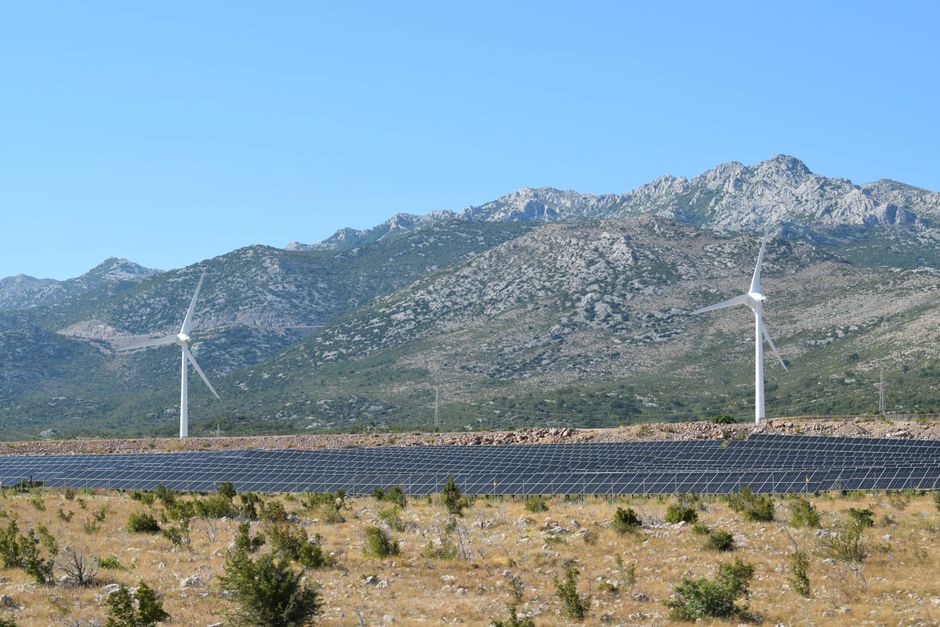
Economic considerations also play a pivotal role. The cost of renewable technologies has dropped dramatically over the last decade. Solar photovoltaic (PV) module prices have fallen by nearly 90% since 2010, as reported by the International Renewable Energy Agency. This price decline makes renewables increasingly competitive with traditional fossil fuels, even without subsidies. Cities are seizing this opportunity to invest in local energy generation, which can create jobs and stimulate local economies.
Public health is another strong motivator. Urban air pollution, largely driven by fossil fuel combustion, contributes to respiratory illnesses and premature deaths. By switching to cleaner energy sources, cities can improve air quality and enhance residents’ quality of life. Personal experience living in a city that invested in electric buses and solar-powered municipal buildings showed noticeable improvements in air clarity within just a few years.
Policy frameworks and incentives further accelerate adoption. Many city governments have introduced renewable portfolio standards, green building codes, and financial incentives for clean energy projects. These measures signal long-term commitment and provide certainty for investors and developers looking to scale up urban renewables.
Key Renewable Technologies Powering Urban Centers
Urban environments require tailored renewable solutions due to space constraints and high population densities. Rooftop solar is one of the most widely adopted technologies in cities. It allows homeowners, businesses, and even apartment complexes to generate electricity on-site, reducing reliance on centralized grids. In New York City, for example, the installation of solar panels on schools and government buildings has become commonplace (nyc.gov).
Wind energy is less common in dense urban cores but has found success in suburban areas and on city outskirts where space permits. Some cities have experimented with small-scale vertical-axis wind turbines designed specifically for rooftops or public spaces. These systems are quieter and safer for urban environments compared to traditional large turbines.
Geothermal heating and cooling systems are gaining traction in cities with suitable geological conditions. These systems use the stable temperatures underground to regulate building climates efficiently. For instance, Toronto’s Deep Lake Water Cooling project uses cold water from Lake Ontario to cool downtown buildings, saving millions of kilowatt-hours annually (enwave.com).
Energy storage technologies are essential for integrating intermittent renewables like solar and wind into urban grids. Battery installations at the building or neighborhood level help balance supply and demand, ensuring reliable power even when the sun isn’t shining or the wind isn’t blowing.
- Rooftop Solar: Ideal for densely built environments.
- Small-Scale Wind: Suitable for rooftops or open public spaces.
- Geothermal Systems: Efficient for heating/cooling large buildings.
- Battery Storage: Supports grid stability and resilience.
Challenges Facing Urban Renewable Integration
Despite clear benefits, cities encounter several hurdles when integrating renewable energy into their infrastructure. Space limitations often restrict large-scale installations. Rooftop solar can be hampered by shading from taller buildings or lack of suitable surfaces. In older neighborhoods, historical preservation rules may limit modifications to building exteriors.
Grid integration presents another challenge. Urban grids were originally designed for centralized power plants rather than distributed generation from thousands of small sources. Upgrading these systems to accommodate two-way electricity flows requires significant investment and technical expertise. Utilities must also address cybersecurity risks associated with more complex grid management.
Financing remains a barrier for many municipalities and property owners. While costs have dropped, upfront investments can still be substantial, especially for comprehensive retrofits or new infrastructure. Creative financing models (such as power purchase agreements (PPAs), green bonds, or community solar programs) are helping bridge this gap but require careful planning and stakeholder engagement.
Social equity considerations are increasingly important. Ensuring that all residents benefit from renewable energy (not just those who can afford rooftop panels or live in new developments) requires targeted policies. Community solar projects and subsidies for low-income households are steps in the right direction but need broader implementation.
| Challenge | Potential Solution |
|---|---|
| Limited Space | Rooftop solar, shared community arrays |
| Grid Compatibility | Smart grids, advanced metering infrastructure |
| Upfront Costs | Green bonds, PPAs, government incentives |
| Inequitable Access | Community solar, targeted subsidies |
The Future Outlook: Innovations and Community Engagement
Smart city initiatives are integrating digital technologies with energy systems to optimize consumption and reduce waste. For example, Barcelona’s smart grid project uses real-time data analytics to balance supply and demand across neighborhoods (ajuntament.barcelona.cat).
Emerging trends like vehicle-to-grid (V2G) technology allow electric vehicles to feed power back into city grids during peak demand periods. This not only supports grid stability but also incentivizes EV adoption among urban residents. Microgrids (localized networks that can operate independently during outages) are being piloted in several cities to enhance resilience against extreme weather events or cyberattacks.
Community engagement is vital for long-term success. Cities that involve residents in planning processes tend to achieve higher adoption rates and stronger public support. Participatory budgeting for clean energy projects or educational campaigns about energy efficiency can foster a sense of ownership among citizens. In my own neighborhood, a series of workshops on home solar installation demystified the process for many residents and led to a noticeable uptick in adoption.
International collaboration is also shaping urban renewable strategies. Networks like C40 Cities connect municipal leaders worldwide to share best practices and accelerate progress (c40.org). These partnerships help cities learn from each other’s successes (and setbacks) while adapting solutions to local contexts.
Cities are proving that with determination, innovation, and community involvement, they can lead the way toward a more sustainable future. As technology advances and policy frameworks evolve, staying informed about these developments can empower individuals and communities to contribute meaningfully to this global transformation.