Disasters draw global attention. But what happens when the cameras leave and the headlines fade? Japan’s response to the 2011 Fukushima disaster demonstrates remarkable resilience, inventive solutions, and strong communal support. An earthquake, tsunami, and nuclear disaster devastated the nation, but what emerged was an extraordinary effort to rebuild. Let’s walk through how Japan tackled this mammoth challenge, not just by restoring what was lost, but by reimagining what recovery could look like.
Understanding the Scale: From Crisis to Opportunity
On March 11, 2011, a magnitude 9.0 earthquake off Japan’s northeastern coast triggered a tsunami that devastated entire towns and led to the meltdown at the Fukushima Daiichi Nuclear Power Plant. The numbers alone are staggering: over 18,000 lives lost, hundreds of thousands displaced, and a region left grappling with radioactive contamination. But beyond the statistics lies a deeper story, one about how a country can turn catastrophe into a catalyst for change.
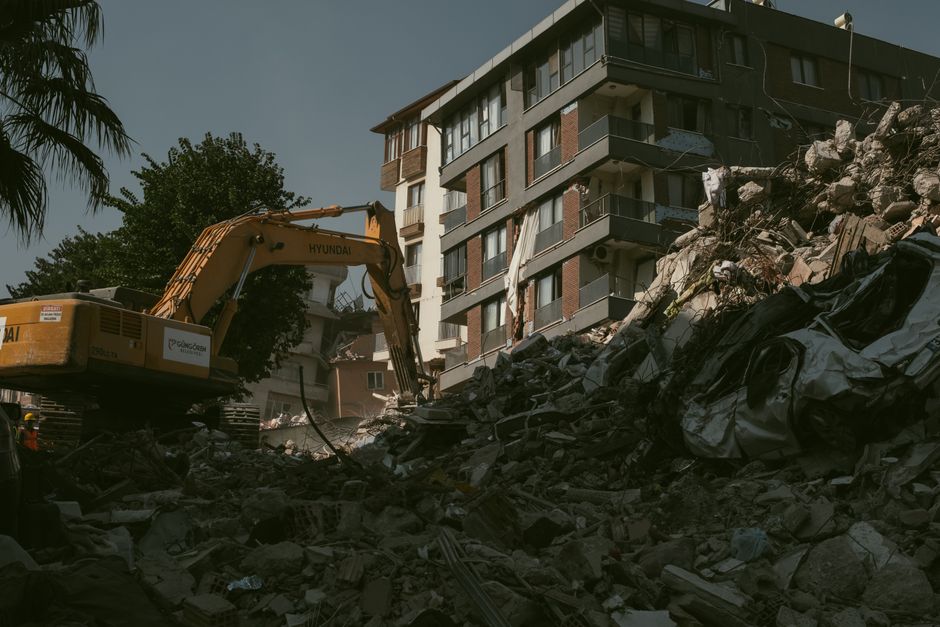
Japan’s government quickly declared a nuclear emergency and evacuated more than 150,000 people from the Fukushima area. The immediate aftermath was chaotic, but it also set the stage for a coordinated response that would blend top-down leadership with grassroots action. In many ways, Japan’s approach mirrors the way a skilled gardener tends to a storm-ravaged plot: clearing debris, nurturing new growth, and replanting with an eye toward resilience.
The Blueprint for Recovery: Policy, Planning, and People
Rebuilding after Fukushima wasn’t just about pouring concrete or decontaminating soil, it required a holistic strategy. The Japanese government established the Reconstruction Agency in 2012 to oversee long-term recovery efforts. Their plan rested on three pillars:
- Physical Reconstruction: Restoring infrastructure (roads, railways, housing) was an urgent priority. By 2021, over 90% of major public works had been completed in affected areas (The Japan Times).
- Economic Revitalization: Reviving local economies meant supporting small businesses, attracting new industries, and investing in innovation. Special economic zones were created to encourage investment and job creation.
- Community Rebuilding: Perhaps the most challenging task was restoring trust and hope among residents. This meant transparent communication about radiation risks, mental health support, and empowering local leaders to shape their own recovery.
To keep things on track, progress was regularly measured against clear benchmarks. Major achievements include the following highlights:
| Year | Milestone | Impact |
|---|---|---|
| 2012 | Reconstruction Agency established | Centralized coordination of recovery efforts |
| 2015 | Major infrastructure restored | Reopened transport links; new housing built |
| 2017 | Decontamination of critical zones finished. | Some residents allowed to return home |
| 2021 | Over 90% of public works finished | Visible transformation of affected towns |
Innovation in Action: Clean Energy and Smart Cities
If necessity is the mother of invention, Fukushima became a proving ground for new ideas. The nuclear disaster forced Japan to rethink its energy strategy almost overnight. The government set ambitious goals to reduce reliance on nuclear power and ramp up renewables. In 2022, solar and wind supplied almost one-fifth of Japan’s electricity.International Energy Agency).
The region itself became a living laboratory for clean technology. The Fukushima Renewable Energy Institute was established to drive research into solar, wind, hydrogen, and geothermal power. Local communities partnered with tech companies to build “smart towns” equipped with microgrids and battery storage, think of these as neighborhoods that can generate and manage their own energy independently.
- The town of Namie installed solar panels on abandoned farmland, turning blight into bounty.
- Tamura City piloted hydrogen-powered buses for public transport.
- Fukushima Hydrogen Energy Research Field ranks among the largest sites globally for producing hydrogen with renewable energy.
This shift wasn’t just about technology; it was about restoring pride and purpose to communities that had been written off as lost causes.
Community Resilience: Healing Hearts and Minds
No amount of infrastructure can replace what’s lost when families are uprooted or when trust in authorities is shaken. Japan recognized early on that recovery had to be as much about people as it was about buildings. Local governments worked closely with NGOs and mental health professionals to provide counseling and support networks for survivors.
Transparency became a cornerstone of rebuilding trust. Authorities published real-time radiation data online so residents could make informed decisions about returning home (Ministry of the Environment Japan). Community meetings gave voice to concerns and allowed residents to shape their own future, whether that meant rebuilding in place or starting anew elsewhere.
Education played a crucial role as well. Schools in Fukushima incorporated disaster preparedness into their curriculum, teaching students not just how to respond to emergencies but how to become leaders in their communities. This focus on resilience echoes the Japanese concept of “kizuna,” or bonds between people, a reminder that recovery is strongest when it’s rooted in relationships.
Lessons Learned: A Roadmap for Future Recovery
The story of post-Fukushima Japan isn’t just about bouncing back, it’s about bouncing forward. The country’s experience offers practical lessons for any community facing disaster:
- Centralized Coordination Matters: A dedicated agency can cut through bureaucracy and keep recovery efforts focused.
- Invest in Innovation: Disasters can be springboards for new technology and sustainable development.
- Community Voices Count: Involving residents in decision-making builds trust and ensures solutions fit local needs.
- Mental Health Is Essential: Long-term support helps communities heal beyond bricks and mortar.
- Transparency Builds Confidence: Open communication about risks and progress reassures those affected and encourages return.
Japan continues to face hurdles such as population decline and persistent stigma, yet its progress is clear. The region once synonymous with tragedy now stands as a beacon of hope for what’s possible when determination meets innovation.
If you ever find yourself wondering whether recovery is possible after disaster strikes, look to Fukushima, not just for answers, but for inspiration. Both the environment and the outlook of its residents have been permanently transformed.
References:
- The Japan Times: “Fukushima’s Recovery Progress” (japantimes.co.jp)
- International Energy Agency: “Japan Energy Profile” (iea.org)
- Ministry of the Environment Japan: “Radiation Monitoring Information” (env.go.jp)
- Nikkei Asia: “Fukushima’s Hydrogen Future” (asia.nikkei.com)
- United Nations University: “Lessons from Fukushima” (unu.edu)