Firsthand accounts from D Day soldiers and commanders offer a direct window into the events of June 6, 1944. Real-time and post-landing reports capture the difficulties, choices, and emotional responses of personnel directly involved. These communications reveal both the military strategy and the personal experiences that shaped one of World War II’s most pivotal operations.
Many of these reports were transmitted under intense pressure, often using field radios, messengers, or coded signals. The information they carried shaped immediate decisions and influenced the course of the invasion. Today, historians and readers can access these records through archives and published collections, providing a detailed narrative that goes beyond official summaries.
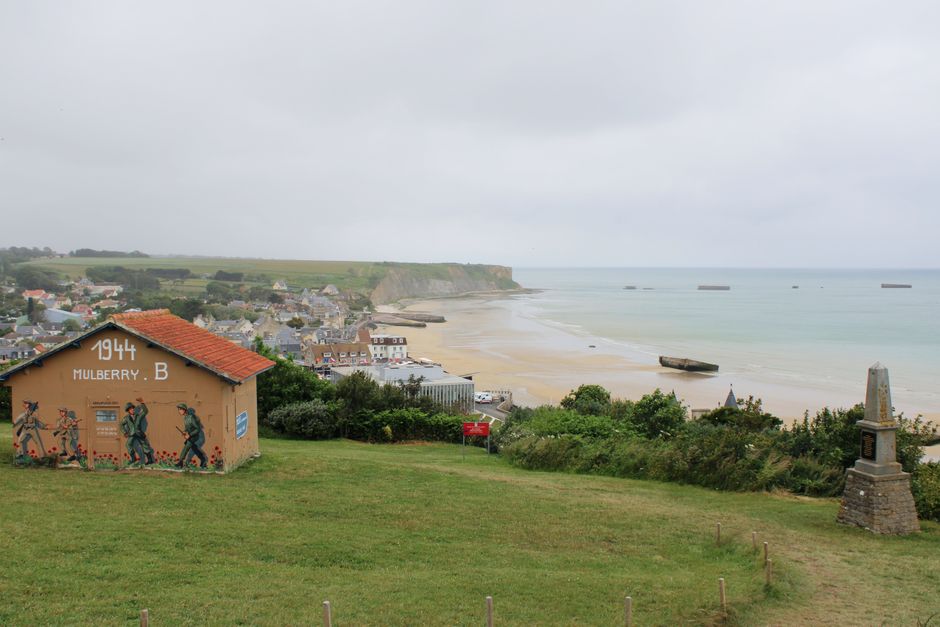
The following sections explore how these real-time reports were created, what they contained, and how they impacted both the outcome of D Day and our understanding of history. Attention is given to the context in which soldiers and commanders operated, the technology available to them, and the lasting value of their firsthand observations.
Methods of Communication on D Day
On June 6, 1944, communication was a critical factor for Allied success. Soldiers and commanders relied on a range of methods to send updates from the beaches and airborne drop zones. Each method had its strengths and limitations, affecting how quickly and accurately information traveled.
Command units and forward observers relied heavily on field radios. These devices transmitted orders and status updates quickly, yet frequently encountered technical problems or disruption from enemy forces. Many units also used runners, soldiers tasked with carrying written or verbal messages across dangerous terrain. This method was slower but could be more reliable when radio silence was necessary or equipment failed.
Signal flares, colored smoke, and flags provided visual cues for coordination between ground forces and supporting ships or aircraft. These signals were essential for calling in artillery support or marking positions. In some cases, carrier pigeons were still employed to send messages when other options were unavailable.
The table outlines the primary communication techniques employed during the Normandy landings.
| Communication Method | Primary Users | Strengths | Limitations |
|---|---|---|---|
| Field Radio | Commanders, Forward Observers | Fast transmission, real-time updates | Technical failures, jamming |
| Runners | Infantry Units | Reliable in radio silence | Slow, high risk to messenger |
| Signal Flares/Smoke | Ground Forces, Navy | Immediate visual cues | Limited information content |
| Carrier Pigeons | Special Units | Bypasses electronic jamming | Slow, limited range |
Content and Tone of Real-Time Reports
Real-time reports differed according to the sender’s position and circumstances. Frontline soldiers often focused on immediate tactical concerns: enemy positions, casualties, ammunition levels, and requests for support. Commanders provided broader assessments, including progress toward objectives and coordination with neighboring units.
The tone of these reports was generally direct and factual. Under fire or facing uncertainty, there was little room for elaboration. For example, a message from Omaha Beach at 08:30 reported: “Pinned down by MG fire. Casualties heavy. Request naval gunfire support.” Such statements conveyed urgency without unnecessary detail.
Some reports included brief personal observations or morale updates. These glimpses into the mindset of troops are valuable for understanding the psychological strain of combat. A paratrooper’s note found later read: “Landed off target. Scattered but regrouping. Spirits holding.” These concise remarks reveal both the chaos and determination present during the operation.
Commanders’ reports often balanced optimism with realism. General Omar Bradley’s headquarters received updates every hour from subordinate units, summarizing progress and setbacks. These summaries helped shape decisions about reinforcements and resource allocation (The National WWII Museum).
Impact on Decision-Making During the Invasion
Real-time reports played a central role in shaping Allied actions throughout D Day. Commanders at all levels depended on accurate updates to respond to changing conditions on the ground. When initial landings at Omaha Beach stalled due to strong German resistance, urgent messages prompted naval commanders to bring destroyers closer to shore for direct fire support.
Frontline officers provided detailed reports, allowing for a swift response. In another instance, airborne units reported scattered landings but confirmed successful disruption of enemy reinforcements moving toward the beaches. These updates allowed higher command to adjust plans and commit reserves where needed most.
Real-time reports shaped D-Day operations in these important ways:
- Redirecting naval gunfire to support pinned-down infantry units.
- Coordinating airborne drops with ground advances despite unexpected dispersal.
- Requesting medical evacuation for wounded under heavy fire.
- Pinpointing weaknesses in German defenses to enable advancing troops to break through.
- Reporting equipment losses to prioritize resupply efforts.
Rapid adjustment to frontline feedback proved crucial in overcoming early challenges and establishing positions throughout Normandy.History.com).
Obstacles Confronting Journalists and Audiences
Sending and receiving real-time reports during D Day was fraught with challenges. Technical limitations affected radio reliability, especially in areas with dense hedgerows or damaged equipment. Enemy jamming and intercepted signals posed additional risks, sometimes forcing units to rely on slower but more secure methods like runners or written notes.
The chaotic environment made it difficult to maintain regular communication schedules. Units often became isolated due to enemy fire or terrain obstacles. Commanders were forced to act without full details until communication was restored.
Mistaken identities also caused confusion. Reports sometimes misidentified friendly units as enemy forces or gave inaccurate locations due to disorientation after landing. These errors could delay support or result in friendly fire incidents.
Despite these difficulties, many soldiers demonstrated resourcefulness in maintaining communication under pressure. Soldiers relied on makeshift antennas, seized enemy radios, and handwritten messages attached to the uniforms of the dead to relay vital intelligence to headquarters.Imperial War Museums).
Preserving and Analyzing D Day Reports Today
The preservation of real-time D Day reports has been a priority for historians and archivists. Many original documents are housed in national archives or military museums, where they are cataloged for research and public education. People everywhere can now access these primary sources more easily through digital collections.
Researchers examine these reports for military details as well as evidence of leadership approaches, troop morale, and how decisions are made in high-pressure situations. Comparing reports from different units helps build a comprehensive picture of how events unfolded across multiple beaches and drop zones.
A number of academic studies have used these primary sources to challenge or confirm established narratives about D Day. Reviewing communication logs has revealed precise timelines for major operations at Utah Beach and underscored how junior officers quickly adjusted strategies during critical moments.Army University Press).
The following table outlines major repositories where D Day reports are available for study:
| Repository | Location | Type of Materials | Access |
|---|---|---|---|
| The National Archives (UK) | Kew, London | Original field reports, maps | Onsite & digital access |
| The National WWII Museum | New Orleans, USA | Personal diaries, oral histories | Onsite & online exhibits |
| Imperial War Museums | London & Manchester, UK | Photographs, communications logs | Onsite & digital collections |
| D-Day Story Museum | Portsmouth, UK | Artifacts, written accounts | Museum visits & online resources |
The Value of Firsthand Accounts for Future Generations
The continued study of real-time reports from D Day soldiers and commanders offers lasting benefits beyond historical research. These firsthand accounts provide a direct link to those who experienced the events as they happened, preserving voices that might otherwise be lost over time.
Younger generations gain a clearer understanding of the complexities involved in large-scale military operations when they read original messages sent under fire or in moments of uncertainty. The authenticity of these communications stands out compared to retrospective summaries or fictionalized retellings.
Museums and educational programs present selections from these reports to help visitors understand the experiences of Allied forces during the Normandy landings. Educators share firsthand accounts from those directly involved to encourage empathy and promote thoughtful analysis of leadership, bravery, and choices made under pressure.
D Day’s legacy reflects both its tactical results and the firsthand accounts recorded in contemporary reports. As more records become accessible through digital archives and museum exhibits, individuals can explore these firsthand perspectives in greater depth. Ongoing participation keeps the lessons of June 6, 1944 accessible and meaningful for those exploring significant events in history.