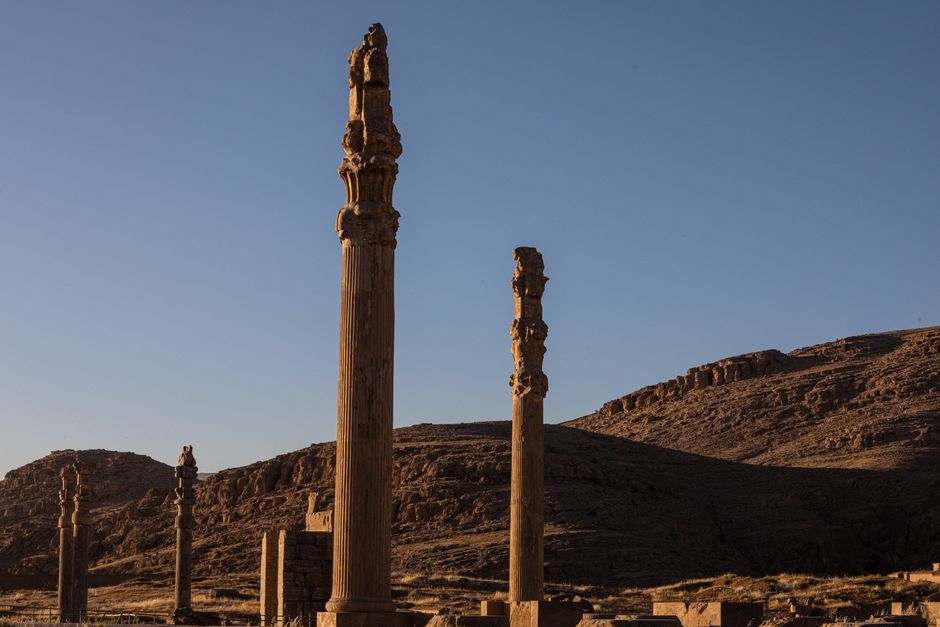
Imagine walking through the ruins of Persepolis, the heart of the ancient Persian Empire, and running your fingers along the cuneiform inscriptions carved into stone walls. These aren’t just decorative marks, they’re the echoes of kings, etched to last millennia. Persian royal inscriptions are more than relics; they’re windows into the minds of rulers who built one of history’s most influential empires. Let’s journey together into how these inscriptions shaped, reflected, and sometimes even engineered the rise of the Achaemenid Empire.
The Power of Words: Why Inscriptions Mattered
In a world without mass media, how did emperors communicate their power and vision to millions? The answer: stone and clay. Royal inscriptions in ancient Persia weren’t just about recording events, they were deliberate acts of statecraft. Think of them as ancient press releases, but instead of fleeting headlines, these messages were literally set in stone.
Take Darius I, for example. When he seized the throne around 522 BCE, his legitimacy was shaky. To cement his rule, he commissioned the famous Behistun Inscription, a sprawling trilingual proclamation carved high on a cliff face in western Iran. This wasn’t just a personal diary; it was a carefully crafted narrative, blending autobiography with divine endorsement. Darius didn’t just say he was king; he explained how Ahura Mazda (the supreme god of Zoroastrianism) had chosen him, and how he’d crushed rebels to restore order. The message was clear: Darius ruled by divine right, and any challenge to his authority was a challenge to the gods themselves.
- Behistun Inscription: Often compared to the Rosetta Stone for its role in deciphering cuneiform, this inscription was pivotal in shaping both Darius’s image and our understanding of Old Persian language and history (Encyclopaedia Britannica).
- Persepolis Tablets: Thousands of clay tablets unearthed at Persepolis reveal not just royal decrees but also day-to-day administration, evidence that inscriptions served both propaganda and practical governance (The Met).
Crafting an Imperial Identity: Language, Audience, and Message
The Achaemenid kings were masters at tailoring their inscriptions for maximum effect. They wrote in multiple languages (Old Persian, Elamite, Babylonian, and sometimes even Egyptian hieroglyphs) ensuring their words reached diverse audiences across their vast empire. Imagine a modern CEO giving a speech in English, Mandarin, and Spanish all at once; that’s the level of inclusivity and reach these kings aimed for.
But it wasn’t just about translation. The content itself was strategic. Inscriptions often began with invocations to Ahura Mazda, followed by genealogies linking the king to illustrious ancestors. This wasn’t idle boasting, it was a calculated move to root authority in tradition and divine favor. Then came lists of conquests or building projects, reinforcing the king’s role as both conqueror and benefactor.
| Inscription | Location | Languages Used | Key Message |
|---|---|---|---|
| Behistun Inscription | Western Iran | Old Persian, Elamite, Babylonian | Legitimacy of Darius I; divine support; suppression of revolts |
| Persepolis Foundation Tablets | Persepolis | Old Persian, Elamite, Babylonian | Dedication to Ahura Mazda; celebration of imperial unity |
| Naqsh-e Rustam Inscriptions | Near Persepolis | Old Persian, Elamite, Babylonian | Royal genealogy; achievements; religious devotion |
| Susa Palace Inscriptions | Susa | Old Persian, Elamite, Babylonian | Construction projects; royal generosity; divine favor |
The Role of Inscriptions in Empire Building
If you’ve ever wondered how a single dynasty could rule from Egypt to India without modern technology, look no further than their mastery of messaging. Inscriptions were a key tool for unifying such a diverse realm. They projected an image of stability and continuity, even when reality was messier.
Darius’s inscriptions often emphasized justice and order. He famously declared himself a “friend to the righteous, enemy to the liar.” This wasn’t just moralizing; it was a subtle way to delegitimize rivals and rebels as liars against both king and god. By embedding these values into public monuments, Darius set expectations for both subjects and officials, almost like posting a company’s core values in every office lobby.
The physical placement of inscriptions mattered too. Many were carved at sites where people gathered (palaces, temples, gateways) ensuring maximum visibility. Others, like Behistun, were placed in dramatic locations designed to awe travelers and remind them who was in charge.
Legacy: Decoding the Past and Shaping Modern Identity
The impact of these inscriptions didn’t end with the fall of the Achaemenids. For centuries, they stood as silent witnesses to history, sometimes buried or forgotten but never erased. In the 19th century, scholars like Henry Rawlinson risked life and limb to scale cliffs and copy cuneiform signs by hand. Their work unlocked not just the secrets of Old Persian but also the broader world of Mesopotamian scripts (British Museum).
Today, these texts continue to shape Iranian national identity and global understanding of ancient Persia. They’re cited in everything from school textbooks to international exhibitions. And let’s not forget their role in pop culture, if you’ve seen movies or read novels about ancient Persia, chances are you’ve encountered echoes of these royal proclamations.
- Cultural Heritage: Modern Iranians often look to Achaemenid inscriptions as symbols of national pride and continuity.
- Linguistic Breakthroughs: The trilingual nature of many inscriptions provided
- Tourism: Sites like Persepolis and Behistun attract visitors from around the world eager to see these ancient messages firsthand.
The Enduring Voice of Empire
Stepping back from the stones and scripts, what do these royal inscriptions really tell us? At their core, they reveal how words (carefully chosen and boldly displayed) can shape societies as much as armies or architecture. The Achaemenid kings understood that power wasn’t just about conquest; it was about crafting a story that everyone could see themselves in.
The next time you read about an empire rising or falling (or even watch a political leader unveil a new monument) remember those ancient Persian kings who mastered the art of messaging long before social media or television. Their legacy lives on not just in museums or textbooks but in every act of leadership that seeks to unite people through shared stories and enduring ideals.
References:
- Briant, Pierre. From Cyrus to Alexander: A History of the Persian Empire. Harvard University Press.
- Encyclopaedia Britannica – Behistun Inscription
- The Met – The Achaemenid Empire (550–330 B.C.)
- British Museum – The Behistun Inscription
- Tavernier, Jan. “Multilingualism in the Achaemenid Empire.” Iranica Antiqua, 2007.
- Kent, Roland G. Old Persian: Grammar, Texts, Lexicon. American Oriental Society.