When you think of prison, what comes to mind? For many, it’s a bleak image: cold concrete, iron bars, and an atmosphere of punishment. Norway has adopted a markedly distinct strategy that is attracting global attention for its remarkable effectiveness. Norway’s prison model has become a kind of gold standard for humane incarceration, and its impact on recidivism rates is nothing short of remarkable. Let’s dive into how this system works, why it’s so effective, and what lessons it might hold for other countries grappling with crime and rehabilitation.
The Philosophy Behind Norway’s Prison Model
At the heart of Norway’s approach is a simple but powerful idea: people are sent to prison as punishment, not for punishment. That distinction might sound subtle, but it makes all the difference. Instead of focusing on retribution, Norwegian prisons are designed to prepare inmates for life after release. The goal? To help them become better neighbors, not better criminals.
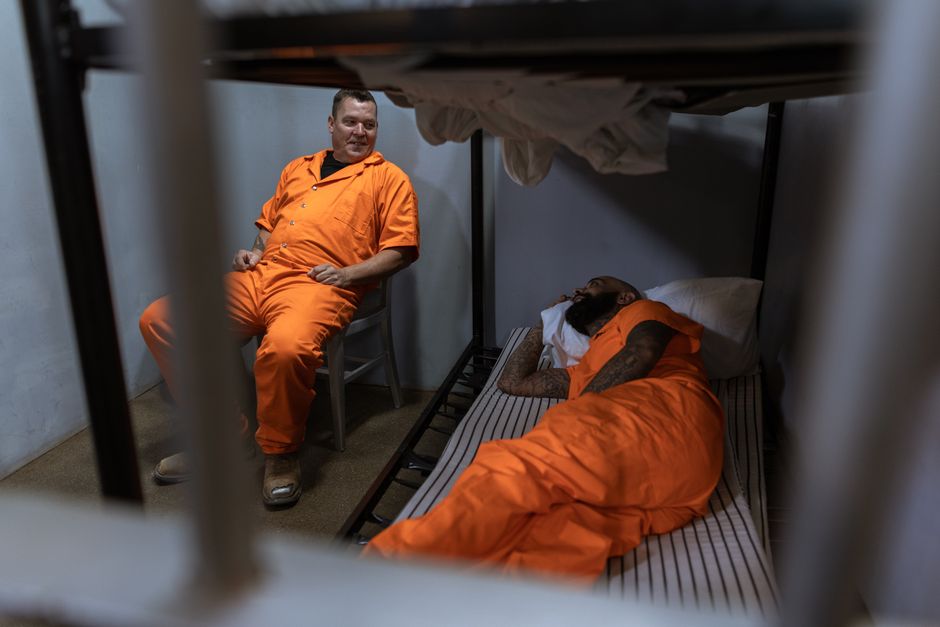
Take Halden Prison, often dubbed the “world’s most humane prison.” Here, inmates have private rooms with en-suite bathrooms and windows that let in natural light. There are communal kitchens, music studios, and even a recording booth. Guards don’t carry weapons; instead, they’re trained to build relationships with prisoners. The idea is to foster respect and trust, creating an environment where change is possible.
This philosophy is rooted in the belief that everyone deserves a second chance. It’s not about being soft on crime, it’s about being smart on rehabilitation. As Are Høidal, Halden’s governor, told The Guardian, “If we treat people like animals when they are in prison they are likely to behave like animals. Here we pay attention to you as a human being.”
How Norway’s Prisons Operate Day-to-Day
Norwegian prisons function more like small communities than high-security fortresses. Inmates cook their own meals, manage their own schedules, and participate in meaningful work or education programs. The daily routine is structured but not oppressive, think of it as a blend between a college dorm and a workplace.
- Education: Inmates can pursue academic qualifications or vocational training. Courses range from carpentry to IT skills, all aimed at boosting employability upon release.
- Work: Many prisoners work in jobs that mirror those outside, woodworking shops, kitchens, or even radio stations. This approach creates a clear framework while strengthening both confidence and hands-on abilities.
- Therapy and Support: Psychological counseling and addiction treatment are readily available. The focus is on addressing the root causes of criminal behavior, not just the symptoms.
Guards play a unique role as well. Rather than acting solely as enforcers, they serve as mentors and mediators. They eat meals with inmates and engage in daily conversations, helping to break down barriers and foster genuine rehabilitation.
The Numbers: Recidivism Rates in Norway vs. Other Countries
So, does this approach actually work? The data speaks volumes. Norway reports a recidivism rate of about 20% within two years of release, ranking among the lowest globally.Norwegian Correctional Service. Compare this to the United States or the United Kingdom, where rates often hover between 50% and 60% within three years.
| Country | Recidivism Rate (within 2-3 years) | Prison Model |
|---|---|---|
| Norway | ~20% | Rehabilitative |
| United States | ~50-60% | Punitive |
| United Kingdom | ~48% | Punitive/Mixed |
| Sweden | ~34% | Rehabilitative |
The contrast is stark. While no system is perfect, Norway’s results suggest that treating inmates with dignity (and giving them the tools to succeed) pays off in safer communities and fewer repeat offenders.
Why Does Norway’s Model Work?
Breaking a bad habit often feels impossible without encouragement or a shift in surroundings. Now imagine trying to rebuild your life after prison with no job prospects, no education, and a stigma that follows you everywhere. Many people released from prison face these challenges in countless countries.
Norway tackles these challenges head-on by focusing on reintegration from day one. Here’s what sets their model apart:
- Personalized Plans: Every inmate gets an individualized plan tailored to their needs, whether that means addiction treatment, therapy, or job training.
- Community Connections:Prisons coordinate with area businesses and social agencies to support successful reintegration for individuals returning to the community.
- Restorative Justice: Victims’ perspectives are considered through mediation programs, helping offenders understand the impact of their actions.
- Minimal Use of Solitary Confinement: Isolation is rare and used only as a last resort, reducing the risk of psychological harm.
This holistic approach recognizes that crime doesn’t happen in a vacuum, it’s often linked to poverty, trauma, or addiction. Norway tackles underlying issues, offering individuals genuine opportunities to rebuild their lives.
Global takeaways and upcoming obstacles
The Norwegian model has inspired policymakers from around the globe. Delegations from countries like the United States, South Africa, and Brazil have visited Halden Prison to see its methods firsthand (BBC News). Some U.S. states have even begun experimenting with similar programs on a smaller scale.
But transplanting Norway’s system isn’t as simple as copying its architecture or daily routines. The model succeeds thanks to comprehensive social policies, including universal healthcare, quality education, and a reliable safety net. These factors help reduce crime in the first place and provide a foundation for successful rehabilitation.
There are also challenges within Norway itself. Critics argue that such humane conditions might be too lenient for serious offenders. Others worry about rising costs, the average annual cost per inmate is significantly higher than in many other countries. Still, supporters point out that these upfront investments save money in the long run by reducing repeat offenses and easing the burden on courts and law enforcement.
- Cultural Differences: Societal attitudes toward punishment and forgiveness vary widely across countries.
- Resource Allocation: Not every country can afford Norway’s level of investment per inmate.
- Political Will: Implementing such reforms requires buy-in from both policymakers and the public.
The debate continues, but one thing is clear: Norway has shown that prisons don’t have to be factories for future crime. With the right mix of compassion and accountability, they can become places where real change happens.
Norway’s prison system clearly demonstrates that alternative methods can succeed. It urges a reassessment of justice, emphasizing support for individuals as a path to safer communities rather than relying solely on punishment.
References:
- The Guardian: “Inside Halden Prison, Renowned for Its Uniquely Humane Approach”theguardian.com)
- Norwegian Correctional Service: Official Statistics (kriminalomsorgen.no)
- BBC News: “Norway's Prison System Looks Set to Stay” (bbc.com)
- Bastøy Prison: A Case Study in Rehabilitation (amnesty.org)
- World Prison Brief: International Comparison of Recidivism Ratesprisonstudies.org)