Access to reliable health data is a cornerstone of effective policy making, especially when it comes to improving public health outcomes. The World Health Organization (WHO) stands out as a leading authority in collecting, analyzing, and disseminating global health statistics. Carefully curated and extensive datasets provide policymakers with reliable information to support informed decisions. Analyzing patterns in disease rates, healthcare availability, and mortality helps governments and organizations distribute resources more effectively, develop focused interventions, and track policy outcomes over time. Understanding how to leverage WHO statistics is essential for anyone interested in shaping or evaluating healthcare strategies on both national and international levels.
Understanding the Scope and Value of WHO Statistics
The WHO compiles a wide range of health indicators from its member states, covering everything from infectious diseases to non-communicable conditions, maternal health, and environmental risks. The statistics are frequently refreshed and rigorously verified for precision. The Global Health Observatory (GHO) offers open access to more than 1,000 health indicators, ranking among the most extensive global health data resources.WHO Global Health Observatory).
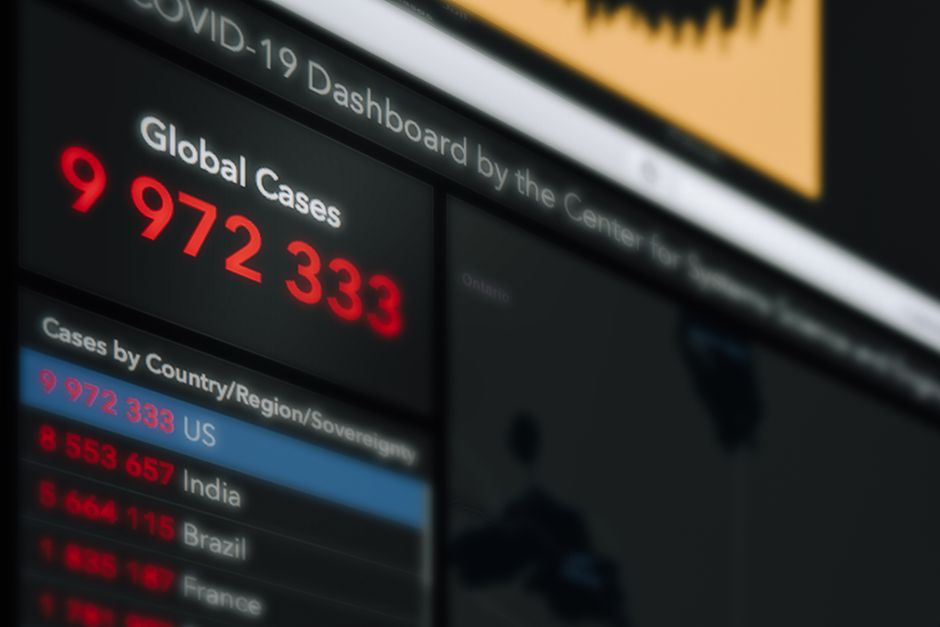
WHO statistics stand out for their ability to be reliably compared between different countries and regions. Standardized definitions and methodologies allow users to track progress toward international goals such as the Sustainable Development Goals (SDGs). This comparability is vital for identifying disparities in health outcomes and understanding where interventions are most needed.
In my experience working with public health teams, WHO data often serves as a neutral reference point during policy discussions. When local data is limited or inconsistent, referencing WHO statistics helps ground conversations in objective evidence. Policymakers can use these figures to benchmark their country’s performance against global averages or regional peers, which can be a powerful motivator for reform.
WHO statistics come with detailed analyses and policy briefs that explain trends and identify new challenges. This contextual information is invaluable for translating raw data into actionable insights.
Applying WHO Data to National Healthcare Policy
Translating global statistics into national policy requires careful adaptation. Although the WHO outlines general guidelines, national responses differ due to variations in population makeup, economic conditions, and health systems. Policymakers must therefore contextualize the data to reflect local realities.
A country experiencing an increase in diabetes cases can analyze WHO data to track its progress against neighboring countries or international figures. Comparing the data helps determine if the problem is widespread across the region or specific to one nation. Governments may choose to direct funding toward preventive healthcare or launch public education initiatives.
WHO statistics also inform resource allocation decisions. If data shows high maternal mortality rates in certain regions, policymakers can direct funding toward improving prenatal care facilities or training healthcare workers in those areas. This strategy directs interventions toward the highest-priority issues.
Collaboration between ministries of health, finance, and education is often necessary when acting on WHO data. Curbing tobacco use, a priority in WHO’s monitoring of noncommunicable diseases, depends on healthcare measures alongside taxes, limits on advertising, and prevention initiatives in schools. The ability to present robust international data helps build consensus across sectors.
- Benchmarking national performance against global standards
- Identifying priority areas for intervention
- Supporting funding applications from international donors
- Evaluating the impact of existing policies
- Facilitating cross-sector collaboration
Challenges and Limitations in Leveraging WHO Statistics
Despite their value, using WHO statistics for policy making comes with challenges. Data quality varies between countries due to differences in reporting systems, resources, and technical capacity. Some low-income countries may struggle with underreporting or delayed submissions, which can affect the reliability of regional comparisons (NCBI).
Another limitation is the time lag between data collection and publication. While the WHO strives to provide timely updates, there can be a gap of several months or even years for some indicators. This delay can hinder rapid response during public health emergencies such as disease outbreaks.
Cultural and political factors may also influence how data is reported and interpreted. In some cases, governments may be reluctant to disclose unfavorable statistics or may lack the infrastructure to collect certain types of information. This makes it important for policymakers to supplement WHO data with local sources whenever possible.
Analyzing complex datasets demands specialized technical skills. Policymakers without a background in epidemiology or biostatistics may find it challenging to draw accurate conclusions from raw numbers alone. Training programs and partnerships with academic institutions can help bridge this gap.
The table below highlights some common strengths and limitations associated with using WHO statistics for healthcare policy making:
| Strengths | Limitations |
|---|---|
| Comprehensive global coverage | Variability in data quality across countries |
| Standardized definitions for comparability | Time lag between collection and publication |
| Regularly updated datasets | Cultural/political reporting biases |
| Analytical reports and policy briefs provided | Requires technical expertise for interpretation |
| Supports benchmarking and goal tracking | May not capture local nuances fully |
Maximizing Impact: Best Practices for Policymakers
To make the most of WHO statistics, policymakers should adopt a strategic approach that combines international data with local insights. One effective practice is to establish multidisciplinary teams that include epidemiologists, economists, sociologists, and community representatives. Incorporating varied perspectives grounds policies in solid data and practical experience.
Regular training on data analysis tools can empower government staff to interpret WHO datasets more effectively. Workshops organized in partnership with universities or international agencies often lead to better understanding and use of statistical information in decision-making processes.
Engaging with stakeholders (such as healthcare providers, patient advocacy groups, and civil society organizations) can help validate findings from WHO data and identify gaps that require further investigation. In my own work facilitating policy workshops, I’ve seen how bringing different voices to the table leads to more nuanced strategies that resonate with affected communities.
Transparency remains essential. Publishing national health reports that reference both WHO statistics and local data builds public trust and encourages accountability. Open communication about data limitations also helps manage expectations around what policies can realistically achieve.
Effective use of WHO data informs healthcare policies and directly impacts millions who rely on informed choices. Emerging threats like pandemics and chronic illnesses make reliable health data increasingly essential. Exploring how global statistics intersect with local realities offers endless opportunities for learning and improvement in public health policy making.