Firsthand testimony gives history a human face. Hearing a survivor explain how a family hid a prayer book, or how a neighbor looked away, changes how we understand the Holocaust. Words, gestures, and pauses carry information that documents alone cannot hold. That is why archivists, historians, technologists, and educators are racing to record, preserve, and share survivor accounts with the care they deserve.
These testimonies are more than records of atrocity. They capture choices, luck, acts of help and betrayal, the texture of daily life before and after the war, and the long work of rebuilding. I still remember watching an interview in which a survivor described the taste of the first bread after liberation. The detail was small and unforgettable, and it told more about deprivation and relief than any statistic.
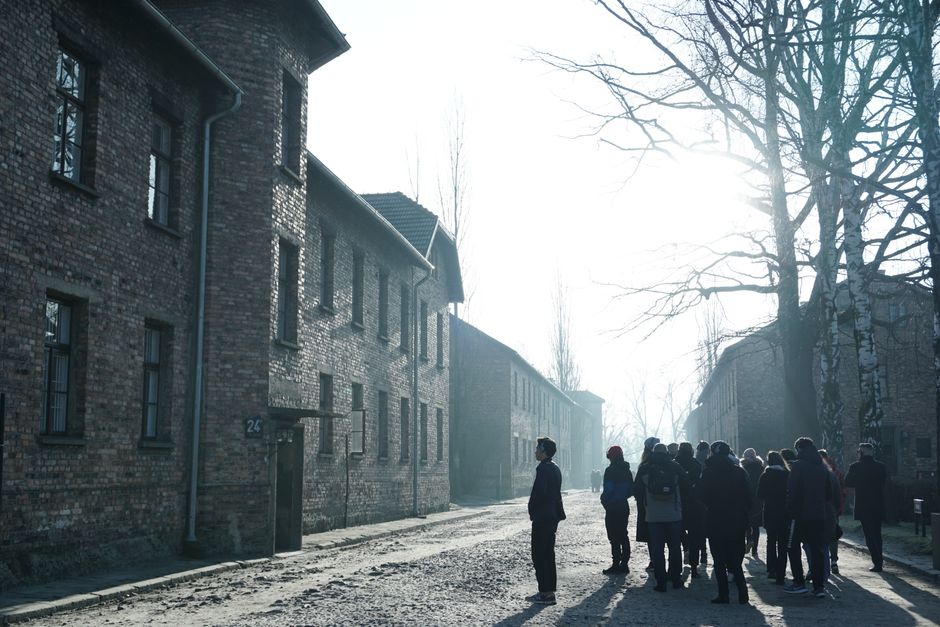
Preserving and using these voices raises practical and ethical questions. How do we protect fragile analog tapes? What metadata helps a teacher find a segment about deportations from Salonika or child separation in Łódź? How should interactive tools represent a person fairly? The answers come from institutions that have built world-class collections, along with a growing set of standards and public resources.
The human case for testimony: memory, nuance, and responsibility
Documents outline events. Testimonies show how those events landed on a person. A transport list records numbers; a survivor remembers the night train sounds or a sibling’s hand slipping away. That difference matters when teaching students or countering denial. Social science research on learning shows that narrative improves retention and empathy, and teachers report that specific, personal accounts make lessons concrete. The voices of survivors also correct rumors and myths by anchoring history in lived detail.
Survivor accounts hold contradictions and uncertainty. Trauma reshapes memory. Responsible archives acknowledge this and preserve full interviews without sanding down rough edges. Context notes and cross-references help users connect a personal story to dates, places, and corroborating records. Institutions such as the USC Shoah Foundation and the Yad Vashem Visual Center pair testimonies with timelines, maps, and document collections to keep the narrative grounded.
Listening is an ethical act. Survivors consent to share their experiences, often to honor murdered relatives and educate future generations. That consent extends to how we clip, subtitle, and reuse their words. Archives publish usage guidelines and ask educators to retain context and avoid sensational excerpts. The United States Holocaust Memorial Museum (USHMM) publishes clear advice on respectful classroom use and on addressing disturbing content with care.
Personal connection still matters. I have seen students lean forward when a survivor describes prewar music lessons or a favorite street. Ordinary life scenes set the frame for what was stolen, and they show that the victims were neighbors and classmates, not abstract figures from a textbook.
Where survivor testimonies live: major archives and how they differ
Several institutions have spent decades recording, cataloging, and preserving testimonies. Each collection has its strengths. Some focus on long-form video interviews; others hold audio cassettes digitized from community projects; some specialize in certain regions or languages. The differences help researchers find the best fit for a topic or lesson plan.
The USC Shoah Foundation’s Visual History Archive holds more than 55,000 video testimonies from Holocaust survivors and witnesses, recorded in dozens of countries and languages. Steven Spielberg founded the organization in 1994 after Schindler’s List, and the archive now supports keyword search across places, people, and themes. Universities and museums partner to provide access terminals, and many clips appear in public exhibits. Details and access options are available through USC Shoah Foundation.
Yale University’s Fortunoff Video Archive for Holocaust Testimonies began in 1979, pioneering trauma-informed interviewing and long, uninterrupted testimonies. The collection includes thousands of interviews and works with partner sites worldwide for on-site access. Information and request procedures are posted at the Fortunoff Video Archive.
Yad Vashem houses an extensive audiovisual collection within its Visual Center, with more than 135,000 recorded testimonies and related film materials. The center integrates testimonies with Pages of Testimony, deportation lists, and photo archives so users can trace names across sources. An overview sits at Yad Vashem Visual Center.
The USHMM collects oral histories within a broader museum archive that includes artifacts, documents, and photographs. Its digital collections grow every year, and the museum publishes teaching resources tied to testimony segments. See the museum portal at USHMM Collections.
The Arolsen Archives, the former International Tracing Service, hold the world’s most comprehensive archive on victims and survivors of Nazi persecution, with tens of millions of documents. These records complement testimonies by confirming identities, routes, and fates, and a large portion is searchable online. Explore holdings via Arolsen Archives.
| Institution | Focus | Approximate Scale | Access Model | Notable Features |
|---|---|---|---|---|
| USC Shoah Foundation | Video testimonies of survivors and witnesses | 55,000+ interviews | Campus/museum terminals; curated public clips | Extensive metadata; multi-language indexing; Dimensions in Testimony |
| Fortunoff Video Archive | Long-form survivor interviews | Thousands of interviews | On-site and partner access; request required | Trauma-informed methodology; deep contextual guides |
| Yad Vashem Visual Center | Audio-visual testimonies and Holocaust film | 135,000+ items | On-site viewing; integrated catalog | Cross-links to Pages of Testimony and documents |
| USHMM | Oral histories within a broad archive | Large and growing collection | Online catalog; research appointments | Teaching resources; artifact-document linkages |
| Arolsen Archives | Persecution and tracing records | Tens of millions of documents | Online databases; inquiries | Name-based searches; deportation and camp records |
Preservation and technology: from tapes to searchable, respectful access
Original testimony projects recorded on analog video and audio formats that degrade over time. Preservation starts with digitization using professional playback, calibrated capture, and storage with redundancy. Archives maintain master files at archival quality and produce access copies for streaming. Cataloging adds the descriptive power. Without good metadata, a 90-minute interview becomes a needle in a haystack.
Institutions assign subject keywords, geographic coordinates, personal names, and timecodes to segments. These choices enable precise classroom use, such as jumping to a section about hiding in Antwerp or forced labor in the Sudetenland. The Shoah Foundation’s indexing model, described in its public materials, shows the scale of this task and why trained indexers and language specialists remain essential. Yad Vashem and USHMM publish authority files and controlled vocabularies so names and places align across collections.
Speech-to-text tools now help produce transcripts faster, with human review to correct errors and capture names accurately. Machine learning assists with face recognition across a single testimony to improve navigation, always with manual oversight to prevent mislabeling. Archives test these tools carefully because a mistaken label can mislead researchers. Responsible use means clear versioning, documented accuracy rates, and opt-outs when required by donor agreements.
Interactive biography projects let visitors ask questions to pre-recorded testimonies. The USC Shoah Foundation’s Dimensions in Testimony, developed with museum partners such as the Illinois Holocaust Museum, uses a large set of recorded answers and natural-language processing to match a visitor’s question. Installations add a powerful, conversational layer while preserving the integrity of the original interviews. Museums explain how the system works so audiences understand they are interacting with curated recordings, not a live conversation.
Preservation also includes community efforts. Small historical societies and survivor families often hold unique recordings. Many institutions publish digitization guidelines and accept donations in coordinated projects. The USHMM Oral History guidelines and the Fortunoff Archive’s field manuals help local groups record ethically, gather release forms, and plan safe storage.
Education, ethics, and countering distortion
Testimonies anchor lessons about antisemitism, state violence, and the fragility of rights. Teachers work with clips that fit a class period while retaining context. Museums and archives provide ready-to-use segments paired with questions and primary sources. The USHMM’s lesson plans, Yad Vashem’s educational resources, and university partner sites offer age-appropriate pathways for students aged 15 and up.
Denial and distortion spread online. Credible institutions publish definitions and counters. The International Holocaust Remembrance Alliance (IHRA) outlines what counts as distortion and why misusing numbers, images, or survivor words is dangerous. Guidance appears on the IHRA website at holocaustremembrance.com. Educators can respond by pairing testimony with documents and by explaining how historians weigh evidence. Clear sourcing and transparent methods build trust.
Ethics extends to how we clip and share. A 45-second video may go viral yet strip away critical context. Archives ask users to include source credits, interview dates, and links back to the full testimony when possible. Trigger notices and support resources help audiences process difficult content. Consent terms often restrict commercial reuse or editing that could misrepresent the speaker.
Students benefit from understanding process. Explain how interviewers prepare, why open-ended questions matter, and how pauses or refusals appear in the historical record. Acknowledge trauma and resilience without turning a person’s life into a single moment of survival. Encourage note-taking on setting, emotion, and postwar experiences, not just camp names or dates.
- Start with a short, well-indexed clip from a trusted archive, then read a related primary document and compare details.
- Show source info on screen: institution, interview code, language, and date.
- Discuss why memory can vary and how corroboration works without dismissing lived experience.
- Model respectful questions and avoid asking for graphic details.
- Close with reflection and provide information about support if students feel distressed.
Responsible use also involves crediting project funders and interview teams when known. A face on a screen represents the labor of camera operators, translators, and archivists. Acknowledgment teaches respect for the craft of preservation and helps students see the ecosystem that keeps testimony accessible.
Frequently asked research questions
What about language barriers? Most major archives offer subtitles, transcripts, or summaries. The Shoah Foundation and Yad Vashem index interviews by language and location, which helps locate testimonies in Polish, Hungarian, Ladino, or Yiddish. Scholars often consult the Arolsen Archives to confirm place names and spellings before proceeding with deeper analysis.
Can the public access these materials for free? Access varies. Many clips are public, while full interviews may require on-site terminals or institutional logins. The Fortunoff Archive and some university partners use reader registration to safeguard rights and ensure responsible use. If you lack access