Imagine being able to send money to your family, pay bills, or even start a small business, all from a simple mobile phone, without ever stepping foot in a bank. This is the reality for millions today, thanks to the rise of mobile banking. Financial inclusion, once a distant goal for many developing economies, is now within reach for people who were previously left out of the formal financial system.
The Challenge: Why Financial Inclusion Matters
Picture a bustling market in rural Kenya. Vendors sell produce, but few have access to traditional banks. In fact, according to the World Bank, over 1.4 billion adults worldwide remained unbanked as of 2021. Without access to secure savings, credit, or insurance, these individuals face hurdles that many of us take for granted, like saving for emergencies or growing a small business.
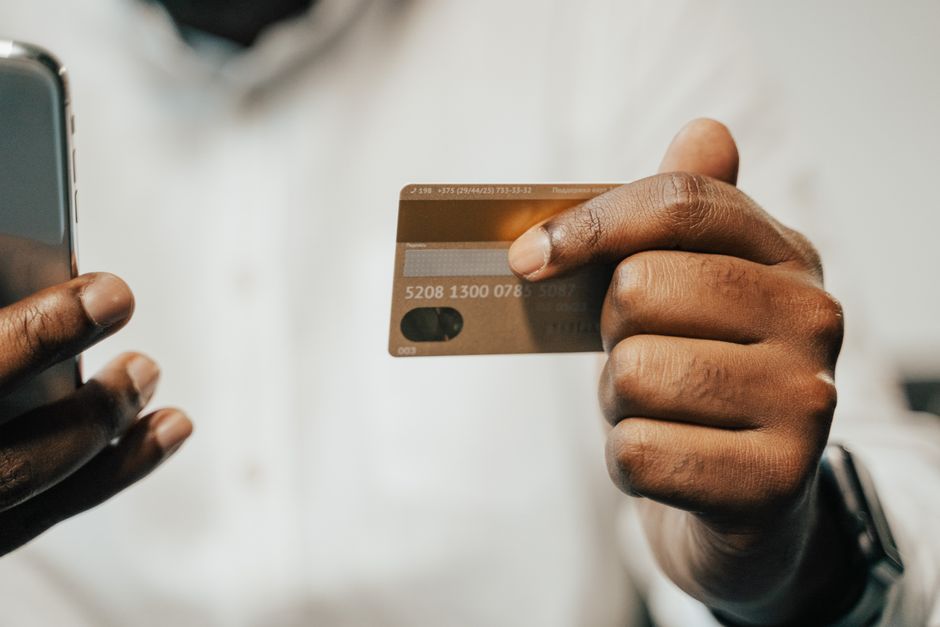
Financial exclusion isn’t just an inconvenience; it’s a barrier to economic development and personal security. When people lack access to basic financial services, they’re more vulnerable to theft, less able to invest in education or healthcare, and often excluded from opportunities that could lift them out of poverty.
Mobile Banking: A Game-Changer in Action
Enter mobile banking, a technology that’s as transformative as the leap from landlines to smartphones. By leveraging widespread mobile phone usage, financial institutions and fintech innovators have created services that allow users to deposit, withdraw, transfer money, and even access loans with just a few taps.
Let’s look at some standout examples:
- M-Pesa in Kenya: Launched in 2007 by Safaricom and Vodafone, M-Pesa is often cited as the gold standard for mobile money platforms. It enables users to store money on their phones and transfer it via SMS. By 2023, M-Pesa had over 51 million active users across Africa and processed more than $314 billion in transactions annually (Safaricom).
- bKash in Bangladesh: Since its inception in 2011, bKash has become one of the world’s largest mobile financial services providers. It serves over 68 million users, many of whom live in rural areas with limited access to banks (bKash).
- Paytm in India: With over 450 million registered users as of 2023, Paytm has played a pivotal role in digitizing payments and providing micro-loans to small merchants and consumers (Paytm).
These platforms have done more than just digitize cash, they’ve built entire ecosystems where people can save, borrow, insure, and invest without ever visiting a brick-and-mortar branch.
How Mobile Banking Drives Inclusion: Key Mechanisms
The secret sauce behind mobile banking’s success isn’t just technology, it’s accessibility and trust. Here’s how these platforms break down barriers:
- Low Entry Requirements: No need for a minimum balance or paperwork-heavy onboarding. A basic mobile phone and an ID are often enough.
- Agent Networks: Instead of relying on bank branches, mobile money agents (think local shopkeepers) act as human ATMs for deposits and withdrawals.
- User-Friendly Interfaces: Simple menus and SMS-based transactions make these services accessible even for those with limited literacy or tech skills.
- Security Features: PIN codes and transaction alerts help build trust among users wary of digital fraud.
| Platform | Country/Region | Active Users (2023) | Key Features |
|---|---|---|---|
| M-Pesa | Kenya & Sub-Saharan Africa | 51 million+ | P2P transfers, bill pay, micro-loans |
| bKash | Bangladesh | 68 million+ | Remittances, savings, merchant payments |
| Paytm | India | 450 million+ | Wallets, micro-loans, insurance |
| Paga | Nigeria | 20 million+ | Agent network, utility payments |
Case Studies: Lessons from the Field
The best way to understand impact is through stories. Consider the experience of smallholder farmers in Kenya before M-Pesa. Selling crops meant traveling long distances to collect cash payments or risking theft while carrying large sums. With M-Pesa, payments arrive instantly on their phones. Farmers can save securely or pay suppliers without leaving their villages.
In Bangladesh, bKash has enabled garment workers (many of whom are women) to receive wages directly into their mobile wallets. This not only reduces the risk of wage theft but also empowers women with greater financial autonomy. According to research published by the Center for Global Development, digital wage payments have led to increased savings rates and improved household decision-making among female workers.
Nigeria’s Paga platform offers another perspective. In a country where only about 45% of adults had access to formal financial services as of 2022 (World Bank), Paga’s agent network brings banking to remote communities. Agents help users open accounts, deposit money, and pay bills, all without internet access.
The Road Ahead: Challenges and Opportunities
No revolution comes without its bumps. While mobile banking has made huge strides, several challenges remain:
- Digital Literacy: Not everyone is comfortable navigating digital menus or understanding transaction fees.
- Network Coverage: Rural areas may still lack reliable mobile connectivity.
- Regulatory Hurdles: Governments must balance innovation with consumer protection and anti-fraud measures.
- Gender Gaps: Women are still less likely than men to own mobile phones or have access to digital financial services in many countries (GSMA Mobile Gender Gap Report 2023).
The good news? Solutions are emerging. Partnerships between telecom companies and banks are expanding coverage. Educational campaigns are helping new users build confidence with digital tools. And regulators are increasingly recognizing the importance of fostering innovation while safeguarding consumers.
If you think about it, mobile banking is like building a bridge over a river that once separated people from opportunity. Each new user who walks across that bridge (whether it’s a farmer in Kenya, a factory worker in Bangladesh, or a street vendor in India) brings us closer to a world where financial services are truly universal.
As technology continues to evolve and more people gain access to affordable smartphones and data plans, the dream of full financial inclusion feels less like wishful thinking and more like an achievable reality, one text message at a time.
References:
- M-Pesa statistics: Safaricom Annual Report 2023 (Safaricom)
- bKash user data: bKash Official Website (bKash)
- Paytm user base: Paytm Investor Relations (Paytm)
- Nigeria financial inclusion data: World Bank Global Findex Database 2021 (World Bank)
- Gender gap report: GSMA Mobile Gender Gap Report 2023 (GSMA)
- Impact of digital wages: Center for Global Development (Center for Global Development)