The fall of the Berlin Wall on November 9, 1989, marked a pivotal moment in European history, signaling the end of decades of division between East and West Germany. The event marked a major shift in politics and left a lasting personal impact on those who saw it unfold. The stories of individuals present at the Wall that night provide a unique perspective on the emotions, confusion, and hope that defined this historic occasion.
Eyewitness accounts reveal the spontaneous nature of the Wall’s opening, as well as the uncertainty and exhilaration that swept through Berlin. Ordinary citizens, border guards, journalists, and international observers each experienced the event differently, but all recognized its significance. Their testimonies continue to shape our understanding of how a physical and ideological barrier crumbled in a matter of hours, changing the course of history for millions.
The Atmosphere in Berlin Leading Up to November 9, 1989
In the weeks before the Wall fell, East Berlin was filled with tension and anticipation. Protests demanding greater freedoms had grown larger and more frequent, inspired by reforms in neighboring Eastern Bloc countries. Many East Germans were leaving for Hungary or Czechoslovakia, seeking escape from the restrictions of life under the German Democratic Republic (GDR). The government’s grip appeared to be weakening, but few expected an immediate change.
Eyewitnesses recall a city on edge. Streets were crowded with demonstrators, while rumors about possible reforms or border openings circulated rapidly. According to journalist Tom Brokaw, who reported live from Berlin that night, “There was a sense that something extraordinary was about to happen, but no one knew exactly what or when.” (nbcnews.com)
The Night the Wall Opened: Chaos and Celebration
The events of November 9 unfolded quickly and unexpectedly. During a press conference that evening, GDR spokesman Günter Schabowski mistakenly announced that East Germans could cross the border “immediately,” leading thousands to rush to checkpoints. Border guards, unprepared for the sudden influx, eventually allowed people to pass through without violence.
- Many East Berliners described disbelief as they approached the Wall, expecting resistance but finding none.
- West Berliners gathered on the other side, welcoming friends and strangers alike with cheers and embraces.
- Eyewitnesses described scaling the Wall and breaking off fragments to keep as mementos as police looked on.
- Journalists captured scenes of jubilation and confusion, documenting history as it happened.
One East Berliner, Angelika Krüger, later told dw.com, “We were crying and laughing at the same time. It felt like a dream.” The sense of unity and relief was palpable as families reunited after years of separation.
Personal Encounters at Checkpoints and Along the Wall
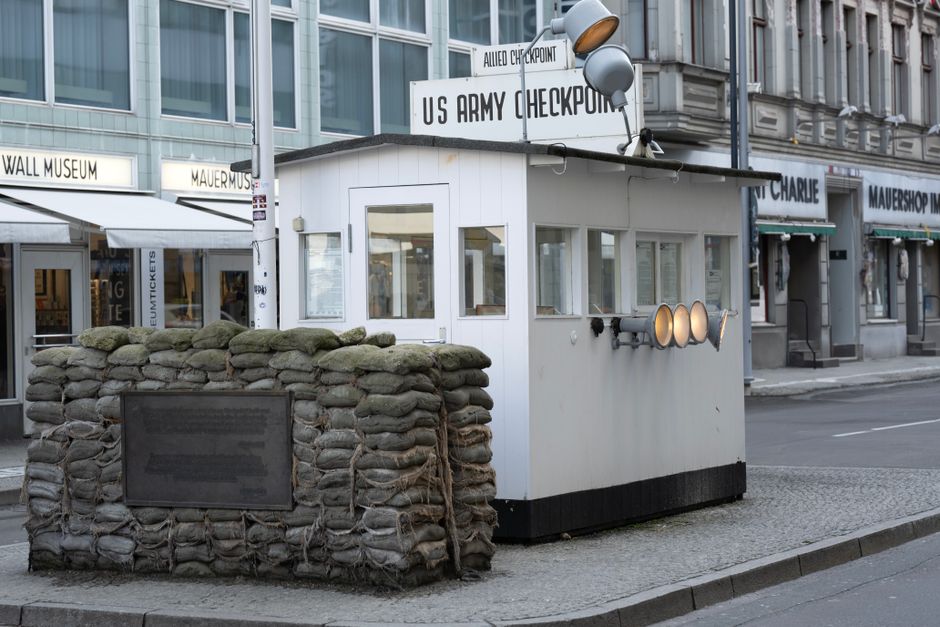
Experiences varied depending on where people crossed. At iconic locations like Bornholmer Strasse and Checkpoint Charlie, crowds swelled throughout the night. Some border guards hesitated or sought clarification from superiors before opening gates. Others simply stepped aside as pressure mounted.
Eyewitnesses often mention the initial confusion among both guards and citizens. A former East German officer told bbc.com, “We had no orders. People just kept coming, so we let them through.” For many crossing into West Berlin for the first time, simple acts like buying bananas or seeing neon lights became powerful symbols of newfound freedom.
Personal stories highlight small but memorable moments:
- Parents lifting children over the Wall to meet relatives they had not seen in years.
- Strangers sharing food and drinks in spontaneous street parties.
- Musicians playing impromptu concerts atop the Wall as crowds danced below.
Media and international observers influence public perception and help ensure transparency in global events.
Media coverage played a crucial role in shaping perceptions of the fall of the Berlin Wall. Cameras captured people from various countries crossing checkpoints and gathering on top of the Wall as they celebrated, sharing these scenes with a global audience in real time. These visuals quickly reached audiences far beyond Germany’s borders, amplifying the impact of the event.
Journalists on site provided real-time updates and interviews with participants. Some reporters found themselves swept up in the excitement, joining celebrations while documenting events for history. International observers (diplomats, tourists, and foreign correspondents) offered outside perspectives on both the chaos and significance of what was unfolding.
The rapid spread of information contributed to a sense of shared experience across Europe and beyond. As historian Mary Elise Sarotte notes in her book “The Collapse: The Accidental Opening of the Berlin Wall,” media coverage helped transform a local event into a global symbol of change (harvard.edu).
Long-Term Impact on Eyewitnesses and Collective Memory
The memories of those who witnessed the fall of the Berlin Wall continue to resonate decades later. For many, it remains a defining moment in their lives, a time when hope overcame fear and barriers fell both literally and figuratively. Personal accounts have been preserved in oral history projects, documentaries, and museum exhibits across Germany.
Some eyewitnesses became active participants in reunification efforts or advocates for democracy in other parts of Europe. Some found it challenging to navigate the changes in society and politics. The diversity of experiences reflects both the joy and challenges that followed this historic night.
- Museums such as the Mauermuseum in Berlin collect testimonies and artifacts from those present at the Wall.
- Oral history archives preserve interviews with people from all walks of life who experienced November 9 firsthand.
- Public events commemorate anniversaries as eyewitnesses recount their experiences to younger audiences.
The fall of the Berlin Wall stands as a testament to the power of collective action and individual courage. Eyewitness accounts bring this historic event to life, offering insight into both its immediate impact and lasting legacy. Through their stories, we gain a deeper appreciation for how ordinary people shaped extraordinary change and how those moments continue to inspire reflection today.