The discovery of the Dead Sea Scrolls in the mid-20th century marked a turning point in the study of ancient Judaism and early Christianity. Found in caves near Qumran, close to the northwest shore of the Dead Sea, these ancient manuscripts have provided scholars and religious communities with a unique window into the beliefs, practices, and daily life of a Jewish sect that lived over two thousand years ago. The scrolls include biblical texts, sectarian writings, and other documents that have reshaped our understanding of the development of religious traditions in the region. Their preservation in the arid climate of the Judean Desert has allowed for unprecedented insight into the textual history of the Hebrew Bible and the diversity of Second Temple Judaism.
The Discovery and Preservation of the Dead Sea Scrolls
The initial discovery of the Dead Sea Scrolls occurred in 1947 when a Bedouin shepherd stumbled upon clay jars containing ancient manuscripts in a cave at Qumran. Over the next decade, further excavations revealed more than 900 documents spread across 11 caves. These texts, dating from the third century BCE to the first century CE, were written primarily in Hebrew, with some in Aramaic and Greek. The harsh desert environment played a crucial role in their preservation, as the dry conditions prevented the organic materials from decaying rapidly.
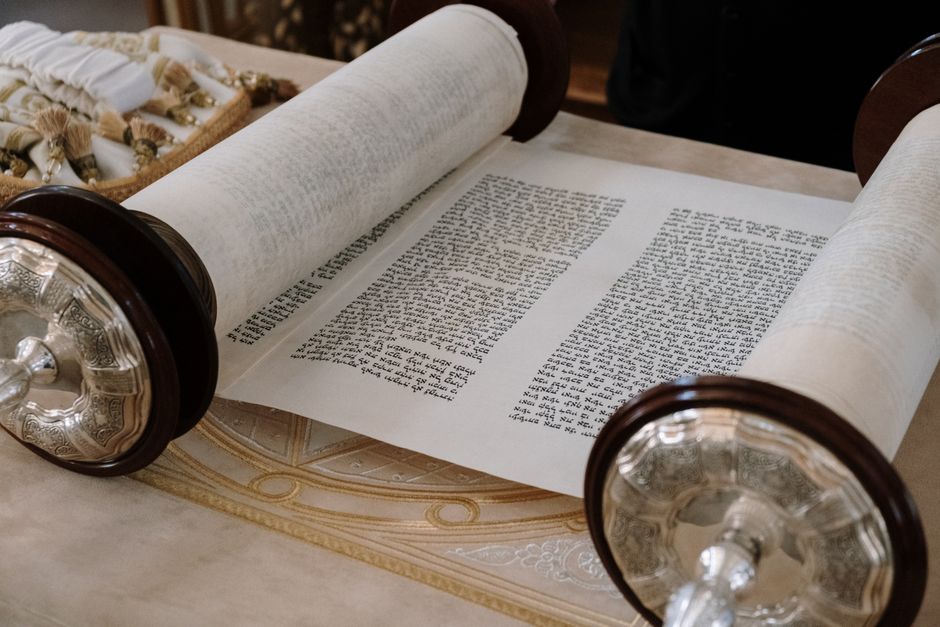
Many of the scrolls were fragmented, requiring painstaking restoration work by teams of archaeologists and scholars. The process involved sorting thousands of pieces, matching handwriting styles, and reconstructing texts that had been damaged by time and exposure. The Israel Antiquities Authority now oversees most of these artifacts, ensuring their continued preservation and accessibility for research.
To provide a clearer overview of Approximately 40% are copies of books from the Hebrew Bible, making them some of the oldest known biblical manuscripts. Another 30% are sectarian documents unique to the community that lived at Qumran, often believed to be the Essenes, a Jewish sect with distinctive beliefs and practices. The remaining texts include apocryphal works, commentaries, and legal writings.
Among the biblical scrolls, every book of the Hebrew Bible is represented except for Esther. Some scrolls contain variations from the standard Masoretic Text, offering valuable evidence for how biblical texts evolved over time. The sectarian writings provide insight into community rules, rituals, and expectations for members. Notable examples include the Community Rule (Serekh HaYahad), which outlines communal living standards and religious observances.
The scrolls also contain previously unknown psalms and prayers, expanding our understanding of ancient Jewish liturgy. This diversity highlights the complex religious landscape of Second Temple Judaism and underscores how different groups interpreted scripture and religious law.
Religious Significance for Judaism
The impact of the Dead Sea Scrolls on Judaism is profound. By comparing these ancient manuscripts with later versions of biblical texts, scholars have traced how certain passages were edited or standardized over centuries. This has led to a deeper appreciation for the fluidity and diversity within early Jewish scriptural traditions.
For practicing Jews and scholars alike, the scrolls affirm that many religious ideas (such as ritual purity, messianic expectations, and communal living) were actively debated during this period. The texts also shed light on lesser-known Jewish sects whose beliefs did not survive into mainstream Rabbinic Judaism but nonetheless influenced its development.
- The scrolls provide evidence for alternative readings of familiar biblical passages.
- They reveal details about Jewish law (halakha) that differ from later rabbinic interpretations.
- The community’s focus on apocalyptic themes reflects broader currents in Jewish thought at the time.
- References to priestly leadership and temple practices offer context for understanding Second Temple rituals.
This wealth of information has encouraged ongoing dialogue about Jewish identity and tradition, both within academic circles and among religious communities.
Influence on Early Christianity
The Dead Sea Scrolls have also played a significant role in Christian scholarship. While there is no direct evidence linking Jesus or his followers to Qumran, many parallels exist between teachings found in the scrolls and those attributed to early Christians. Concepts such as communal meals, baptism-like rituals, messianic prophecy, and an emphasis on righteousness appear in both traditions.
Some scholars suggest that John the Baptist may have had contact with groups similar to those at Qumran due to similarities in their practices. The scrolls’ apocalyptic worldview (anticipating divine intervention and a coming Messiah) resonates with New Testament themes. However, it is important to note that while there are overlaps, significant differences remain between Qumran beliefs and those that shaped Christianity.
The scrolls have prompted Christians to reexamine their own scriptural roots within Second Temple Judaism. By highlighting shared traditions and divergent paths, they foster greater understanding between Jewish and Christian communities. As noted by Dr. Lawrence Schiffman, “The Dead Sea Scrolls have revolutionized our understanding of both Judaism at the turn of the era and its relationship to emerging Christianity” (biblicalarchaeology.org).
Ongoing Research and Technological Advances
Research on the Dead Sea Scrolls continues to evolve thanks to advances in technology. High-resolution imaging has enabled scholars to read faded or damaged text without physically handling fragile fragments. Digital databases now allow researchers worldwide to access images and transcriptions of the scrolls from their own institutions.
Recent DNA analysis of parchment fragments has helped identify which pieces originated from the same animal skins, aiding efforts to reconstruct larger sections from scattered fragments (nature.com). This scientific approach has clarified relationships between different manuscripts and provided new insights into scribal practices at Qumran.
Public exhibitions and online platforms have made these ancient texts more accessible than ever before. The Israel Museum’s Shrine of the Book houses several original scrolls, while digital initiatives such as the Leon Levy Dead Sea Scrolls Digital Library offer free access to high-quality images for educational use.
Cultural Impact and Modern Relevance
The influence of the Dead Sea Scrolls extends beyond academic study. Their discovery sparked global interest in biblical archaeology and inspired countless books, documentaries, and exhibitions. For many visitors to Israel, seeing fragments of these manuscripts firsthand is a moving experience that connects them to ancient history in a tangible way.
The scrolls have also fueled debates about ownership and cultural heritage. Disputes over their rightful custodianship reflect broader tensions surrounding archaeological finds in contested regions. Despite these challenges, international cooperation has ensured that most scrolls are preserved for future generations.
In modern religious discourse, references to the Dead Sea Scrolls often serve as reminders of faith’s historical depth and complexity. Whether viewed as sacred relics or scholarly treasures, they continue to inspire curiosity about humanity’s search for meaning through sacred texts.
Summary and Reflection
The Dead Sea Scrolls remain one of archaeology’s most significant discoveries, offering unparalleled insight into ancient Jewish life and thought during a formative period for both Judaism and Christianity. Their contents illuminate how sacred texts were transmitted, interpreted, and debated by diverse communities living near the Dead Sea more than two millennia ago.
Ongoing research continues to reveal new details about these remarkable manuscripts through technological innovation and international collaboration. By bridging gaps between past and present, faith and scholarship, the Dead Sea Scrolls encourage us to appreciate both our shared heritage and the enduring questions that shape religious identity today.