Imagine holding a window into the daily lives, beliefs, and ambitions of people who lived thousands of years ago. That’s precisely what papyrus scrolls offer us, a direct line to ancient Egypt’s bustling markets, sacred temples, and even its kitchens. These fragile sheets, crafted from the pith of the papyrus plant, have survived against all odds, carrying with them stories that textbooks alone could never tell. Let’s unravel how these scrolls decode the mysteries of ancient Egyptian life and why they still captivate scholars and enthusiasts today.
The Making and Magic of Papyrus
Before diving into the content of these scrolls, it’s worth pausing to appreciate the ingenuity behind their creation. Picture the Nile delta, lush with towering papyrus reeds. Egyptians sliced the inner pith into thin strips, layered them crosswise, and pressed them until they fused into a smooth, durable sheet. This innovation marked a major advance, establishing Egypt as a pioneer in early paper production.
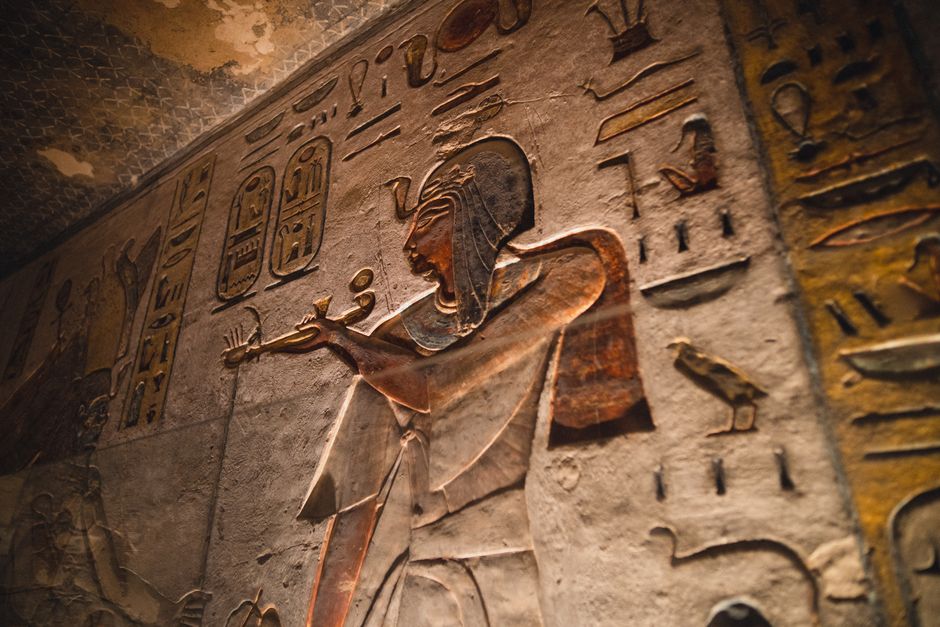
The durability of papyrus is nothing short of remarkable. While parchment and paper can crumble in humid climates, papyrus thrives in Egypt’s arid sands. This natural preservation has gifted us with a treasure trove of documents, from royal decrees to shopping lists. The British Museum and the Egyptian Museum in Cairo both house extensive collections, with some scrolls dating as far back as 2500 BCE (British Museum).
What Did Ancient Egyptians Write About?
Ancient scrolls reveal far more than stories of rulers and deities. The range of topics found on papyrus is as diverse as any modern library. Here’s a glimpse into what Egyptians deemed worthy of ink:
- Administrative Records: Tax rolls, census data, and legal contracts reveal the nuts and bolts of governance.
- Personal Letters: Notes between family members or friends, sometimes filled with gossip or heartfelt advice.
- Literature and Poetry: Tales like “The Story of Sinuhe” or love poems that wouldn’t feel out of place in today’s world.
- Medical Texts: Recipes for remedies and surgical instructions, think of them as ancient “how-to” guides for doctors.
- Religious Texts: Hymns, prayers, and spells for the afterlife, such as those found in the Book of the Dead.
The Rhind Mathematical Papyrus, dating to around 1550 BCE, presents arithmetic problems and solutions that scribes employed in their daily work.ScienceDirect). It’s a reminder that math homework has been around for millennia!
Everyday Life: From Markets to Medicine
Papyrus scrolls don’t just chronicle grand events, they zoom in on daily routines. Imagine reading a receipt for bread and beer or a landlord’s complaint about a tenant’s noisy donkey. These snippets bring ancient Egypt to life in vivid detail.
| Type of Document | What We Learn | Example Papyrus |
|---|---|---|
| Legal Contracts | Marriage customs, property rights | Wilbour Papyrus |
| Medical Texts | Treatments for injuries and diseases | Ebers Papyrus |
| Personal Letters | Social relationships, daily concerns | Anastasi Papyrus |
| Religious Spells | Beliefs about the afterlife | Papyrus of Ani (Book of the Dead) |
| Administrative Lists | Workforce organization, taxation | Abusir Papyri |
The Ebers Papyrus stands out as one of the oldest medical texts known to humanity. Dating back to around 1550 BCE, it contains hundreds of remedies for ailments ranging from crocodile bites to indigestion. Some treatments may raise eyebrows today (like using moldy bread on wounds) but modern science has found that certain molds do produce antibiotics (NCBI). It’s a testament to how observation and experimentation were already shaping Egyptian medicine long before Hippocrates.
The Scribe: Keeper of Knowledge and Power
No discussion about papyrus would be complete without mentioning the scribes, the unsung heroes behind every scroll. Becoming a scribe was no small feat; it required years of training in reading, writing, and mathematics. In many ways, scribes were the IT professionals of their day, managing information flow across temples, courts, and construction sites.
Scribes enjoyed high social status because literacy was rare. They recorded royal proclamations alongside traditional stories and everyday wisdom. The “Instructions of Ptahhotep” offers timeless advice on leadership and ethical conduct that continues to engage readers today.World History Encyclopedia).
- Scribes acted as record-keepers for everything from grain harvests to temple rituals.
- Their meticulous copies ensured that stories and laws survived across generations.
- They often signed their work, leaving us personal touches, sometimes even complaints about their workload!
This human element makes ancient Egypt feel less like a distant civilization and more like a society filled with real people facing familiar challenges.
Papyrus Scrolls in Modern Discovery and Research
The story doesn’t end with the ancient world. Archaeologists continue to unearth new papyri in unexpected places, from tombs sealed for millennia to rubbish heaps outside long-lost towns. Each find can rewrite what we thought we knew about Egypt.
Take the Oxyrhynchus Papyri, over half a million fragments discovered in an ancient garbage dump. Discoveries have ranged from forgotten Sophocles plays to everyday shopping lists.Smithsonian Magazine). The sheer variety underscores how papyrus was woven into every aspect of life.
Modern technology is also changing the game. Multispectral imaging allows researchers to read faded ink invisible to the naked eye. This means that even damaged or blackened scrolls can yield new secrets. It reveals new details about how language changed, trade routes developed, and climate shifted, all traced through agricultural records.
- Digital archives: Institutions are digitizing collections so anyone can explore these treasures online.
- Collaborative research: International teams combine expertise in linguistics, chemistry, and computer science to reconstruct texts.
- Cultural heritage: Efforts are underway to return significant papyri to Egypt or share them through traveling exhibitions.
The continued study of papyrus scrolls doesn’t just enrich our understanding of Egypt; it connects us to the universal human drive to record, remember, and share stories.
Papyrus remains relevant today for its enduring influence on how we record and share information.
Papyrus scrolls are more than relics, they’re bridges across time. Through them, we hear voices from marketplaces, temples, homes, and classrooms long vanished beneath desert sands. Despite dramatic advances in technology, our curiosity and drive to make an impact persist unchanged.
Every time you write a note or send a message, you continue a practice that people have shared for millennia. Ancient Egyptians wrote to solve problems, celebrate joys, mourn losses, and pass on wisdom, much like we do today. Deciphering their scrolls reveals insights into their society and uncovers parallels with our own experiences.
Museums such as the [museum name] offer a chance to experience these remarkable artifacts up close and learn more about their history.British Museum or digital archives such as Papyri.info offer a front-row seat to history’s most enduring conversation.
References:
- British Museum: Ancient Egypt Collection
- Ebers Papyrus: NCBI Journal Article on Ancient Medicine
- Rhind Mathematical Papyrus: ScienceDirect Academic Paper
- Instructions of Ptahhotep: World History Encyclopedia
- Oxyrhynchus Papyri: Smithsonian Magazine Feature
- Papyri.info: Digital Papyrus Archives