Communities on the front lines of climate risk are not waiting for perfect plans. They are testing practical fixes, scaling what works, and building systems that protect lives and livelihoods. Researchers and agencies now document strong evidence that locally led adaptation delivers faster uptake, better targeting of risks, and more durable outcomes than top‑down efforts when backed with the right finance and governance. The IPCC’s Sixth Assessment Report states that adaptation is expanding across regions with “multiple benefits,” while warning that gaps remain without stronger support for equity and finance (ipcc.ch).
Lives have already been saved through community-designed early warnings, heat action plans, ecosystem restoration, and risk pooling. UN Secretary‑General António Guterres has put it plainly: “Adaptation saves lives” (un.org). The examples below show how local leadership, paired with science and public services, turns that statement into measurable results.
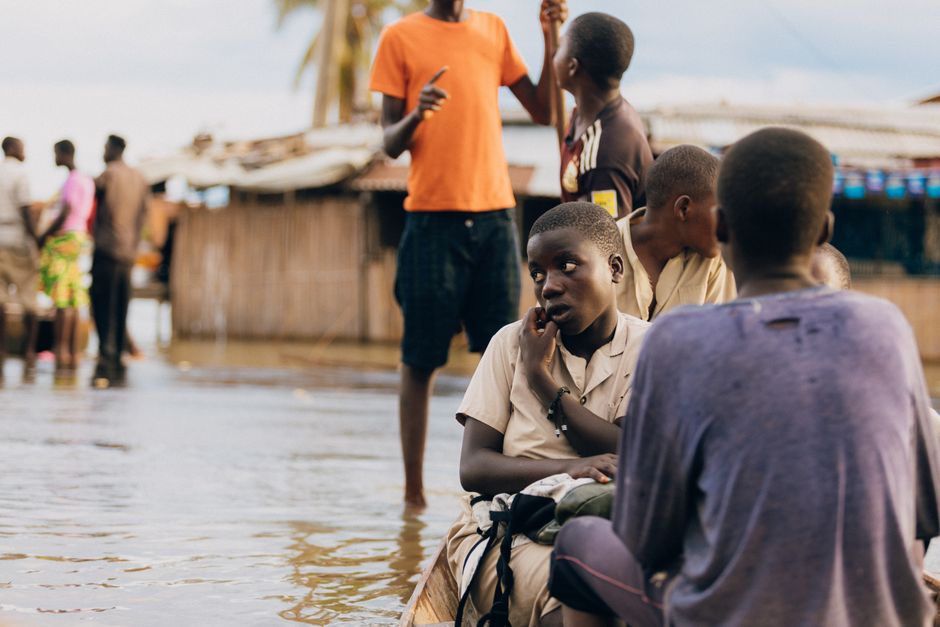
Why community-led adaptation works
Community-led adaptation (CLA) centers local knowledge, accountability, and co‑production with institutions. It focuses on near‑term risk reduction and long‑term resilience. Evidence from Africa, Asia, and the Pacific shows three reasons it performs well:
- Fit for local risk: Residents map flood paths, heat islands, and livelihoods. Interventions reflect micro‑climates and social realities that large plans often miss.
- Social trust: Local committees, women’s groups, and youth networks keep programs active between funding cycles and bridge language or cultural barriers.
- Speed and iteration: Pilots can start within a season, adapt with feedback, and scale in months, not years, when red tape is minimized.
Global guidance now codifies this approach. The eight Principles for Locally Led Adaptation (endorsed by governments, funders, and civil society) call for devolved decision‑making, patient finance, and transparency (iied.org; gca.org). Policy frameworks are catching up too. Countries reaffirmed a goal to double adaptation finance by 2025 from 2019 levels under the Glasgow Climate Pact, and the COP28 outcome advanced the Global Goal on Adaptation with sectoral targets while operationalizing a new fund for loss and damage (unfccc.int).
Case snapshots: life‑saving systems built from the ground up
Bangladesh: Early warning to last‑mile action
Bangladesh’s Cyclone Preparedness Programme (CPP) merges government, the Red Crescent, and 80,000+ trained volunteers. Sirens, mosque loudspeakers, and door‑to‑door alerts reach households quickly. Elevated cyclone shelters double as schools and community centers. Deaths from major cyclones have dropped by orders of magnitude since the 1970 Bhola cyclone, which killed hundreds of thousands, to Cyclone Sidr in 2007 with about 3,400 fatalities, despite large exposed populations. UNDRR and the government highlight community volunteers and shelters as central to this turnaround (undrr.org).
What stands out in field visits is how drills are owned locally. Volunteers assign roles, who alerts, who helps older neighbors, who secures boats. Megaphones and flags still matter where mobile coverage drops during storms. This redundancy is intentional, not a gap.
India: Heat action plans that meet people where they are
Ahmedabad launched South Asia’s first city Heat Action Plan in 2013 after a deadly 2010 heatwave. The plan blends color‑coded forecasts, SMS alerts, hydration points, cool roof pilots, and training for health workers. Peer‑reviewed analyses and implementing partners report significant reductions in heat‑related mortality after rollout; one study associated the plan with a 25% reduction in all‑cause mortality on extreme heat days compared with baseline periods. The city continues to expand cool roofing for low‑income homes and schools. The approach informed national guidance supported by health agencies and partners (who.int; nrdc.org).
Local clinics keep simple protocols on hand: rehydration, recognizing heatstroke, and rapid referrals. Community workers know who lives alone or lacks fans and check on them during alerts. These human details tighten the last mile of care that models cannot see.
Sahel: Farmer‑managed natural regeneration (FMNR)
In Niger and neighboring countries, farmers protect and prune shoots from living root systems on cropland, letting native trees regrow. Over four decades, FMNR has restored roughly 5 million hectares and hundreds of millions of trees, improving soils and yields while buffering drought. Households report better fodder, fuelwood, and diversified income. The World Resources Institute and partners document these outcomes and the central role of farmer networks in spreading practices at low cost (wri.org).
Farmers describe simple rules: mark regenerating stems, prune to a few strong branches, and rotate cutting to keep canopy cover. Local by‑laws back the practice by clarifying tree tenure, which removes a key barrier to stewardship.
Indonesia: Mangroves and “building with nature”
Coastal communities in Demak, Central Java, worked with scientists to install permeable brushwood structures that calm waves and trap sediment, creating space for mangroves to return. Homes shifted back from eroding shorelines, and aquaculture adapted with silvo‑fishery systems. Wetlands International and partners report reduced erosion and improved coastal protection alongside livelihood benefits (wetlands.org).
Villagers tracked sediment change with simple poles and helped decide when to open or reinforce structures. This co‑monitoring kept momentum and aligned maintenance with the fishing calendar.
What strong community leadership looks like in practice
Patterns repeat across effective programs, whether in deltas or drylands. The hallmarks below reflect both published evidence and on‑the‑ground lessons practitioners share during project reviews.
- Shared risk maps: Community hazard mapping that combines lived experience with hydrology, meteorology, or health data creates common ground with agencies.
- Simple, low‑regret options first: Shade, water access, shelters, and communication channels deliver immediate risk reduction while larger projects move through procurement.
- Inclusive committees with real budget lines: Women, youth, people with disabilities, and informal workers hold seats and can authorize small grants.
- Maintenance culture: Clear roles, local procurement, and spare parts on hand keep systems alive between donor visits.
- Clear data loops: Alerts and dashboards are two‑way, so residents can report blocked drains, failed sirens, or disease clusters.
Alignment with public systems multiplies impact. Health departments integrate heat protocols. Water agencies coordinate upstream releases with flood alerts. Disaster agencies co‑host drills. These linkages reduce the risk that good community work sits in a silo.
Funding and governance that actually reach the front line
Money often fails to reach local implementers in time or in a form they can use. Evaluations by development banks and civil society show high transaction costs, rigid reporting, and short grant periods as the main barriers. Reform is underway, though uneven.
International commitments are shaping the space. Parties agreed to at least double adaptation finance by 2025 from 2019 levels, and more funders now tag budgets to locally led programs in line with LLA Principles (unfccc.int; iied.org). The Loss and Damage Fund, operationalized at COP28, aims to channel resources to vulnerable countries for climate‑related harms, which can complement (but not replace) adaptation investments (unfccc.int).
Practical steps that improve flow and accountability:
- Set aside a defined share of adaptation finance for local institutions with direct‑access windows and simplified proposals.
- Offer multi‑year, flexible grants tied to locally chosen results rather than narrow input indicators.
- Fund intermediaries that communities trust (cooperatives, municipal clinics, or local NGOs) with strong audit trails.
- Publish disbursements and results in open formats so communities can verify what arrived and what changed.
- Pair grants with technical support, including procurement and safeguarding, without burying committees in paperwork.
My experience sitting in budget review sessions is that transparency tools only work if they are legible to residents. A publicly posted ledger at the ward office, plus a monthly WhatsApp summary, often builds more trust than a dense PDF on a website.
Health, food, and infrastructure: adapting systems people rely on
Health: Urban heat will affect more people as temperatures rise and nights stay hot. WHO guidance highlights city heat action plans with early warning, worker protections, and health system readiness as cost‑effective measures (who.int). Community health workers act as the bridge. They check on elderly residents, distribute oral rehydration salts, and share first‑aid steps when clinics are far. Local schools become cooling centers during heat alerts, with simple measures like extended shade and water stations.
Food systems: Drought‑tolerant seeds, farmer field schools, water harvesting, and soil moisture conservation raise yields and stabilize income. FAO documents yield gains from practices like zai pits and mulching for dryland cereals, and community grain banks that cut lean‑season hunger (fao.org). Risk pooling helps smooth shocks. The African Risk Capacity supports parametric insurance for droughts and floods that can release funds quickly to governments for local response (arc.int).
Infrastructure and settlements: Nature‑based solutions reduce exposure when planned with residents, mangroves, urban trees, bioswales, ridge‑to‑reef watershed work. UN‑Habitat shares examples of community mapping that redirects small road investments or raises latrine platforms to avoid contamination during floods (unhabitat.org). Cities that co‑design with informal settlement leaders reduce conflicts during drainage upgrades and relocate households more safely when needed.
Early warnings for all: The UN‑backed “Early Warnings for All” initiative targets universal weather‑climate warning coverage by 2027. Community groups are critical to localizing messages and ensuring access for people with disabilities or limited literacy (wmo.int; un.org).
Measuring what matters to communities
Adaptation fails when success is measured only by money spent or reports submitted. Good programs co‑create indicators with residents, then track them alongside technical metrics. A basic dashboard can mix household surveys, service data, and sensors.
Examples of practical indicators:
- Lives and health: Heat‑related ER visits, time to medical treatment during alerts, percentage of at‑risk residents reached by warnings.
- Livelihoods: Dry‑season food stocks, days of work lost to climate hazards, yield stability across bad seasons.
- Protection: Functioning sirens and shelters before cyclone season, mangrove width along critical shorelines, drainage blockages cleared on schedule.
- Equity: Share of funds managed by women’s groups, disability‑inclusive drills held, language access for alerts.
Data should be useful locally first. A ward committee that can see which blocks miss alerts can fix a broken speaker this week. Aggregated results can still feed into national reports or donor dashboards later.
Common pitfalls and how communities avoid them
Short funding cycles often end just