The flyers and pamphlets produced during the Civil Rights Movement offer a vivid window into the strategies, voices, and aspirations that shaped one of the most transformative periods in American history. These ephemeral documents, often created under urgent circumstances and distributed by hand, were more than just announcements or calls to action, they were instruments of mobilization, education, and resistance. Their language, design, and distribution methods reveal not only the movement’s priorities but also the risks and creativity involved in grassroots activism. Today, historians and educators rely on these materials to reconstruct the lived experiences of activists and ordinary citizens who participated in the struggle for racial equality.
The Role of Flyers and Pamphlets in Mobilizing Communities
Flyers and pamphlets were essential tools for organizing protests, boycotts, and meetings during the Civil Rights Movement. Given the lack of access to mainstream media for many Black communities, these printed materials became a primary means of communication. They were distributed in churches, schools, barber shops, and on street corners, anywhere people gathered. The immediacy of their messages helped galvanize support quickly, especially when time was of the essence for events like sit-ins or marches.
One notable example is the leaflet distributed by Jo Ann Robinson and the Women’s Political Council in Montgomery, Alabama, which called for a bus boycott following Rosa Parks’ arrest in 1955. According to the Library of Congress (loc.gov), Robinson and her colleagues worked overnight to produce tens of thousands of copies using mimeograph machines. By morning, the city’s Black residents were informed and ready to participate in what became the historic Montgomery Bus Boycott.
The content of these materials was often direct and urgent. They provided clear instructions (where to meet, what to bring, how to behave) and frequently included appeals to unity and nonviolence. This practical information was paired with persuasive rhetoric designed to inspire courage and solidarity among readers.
Distribution networks for these materials relied heavily on personal relationships and trusted community leaders. Ministers, teachers, and local business owners played a crucial role in ensuring that flyers reached their intended audiences. This grassroots approach fostered a sense of collective responsibility and empowerment.
Despite their simplicity, these documents were powerful catalysts for action. They enabled rapid response to unfolding events and helped sustain momentum during prolonged campaigns. The effectiveness of this communication strategy is evident in the large turnouts at demonstrations and the widespread participation in boycotts across the South.
Content, Design, and Messaging: A Closer Look
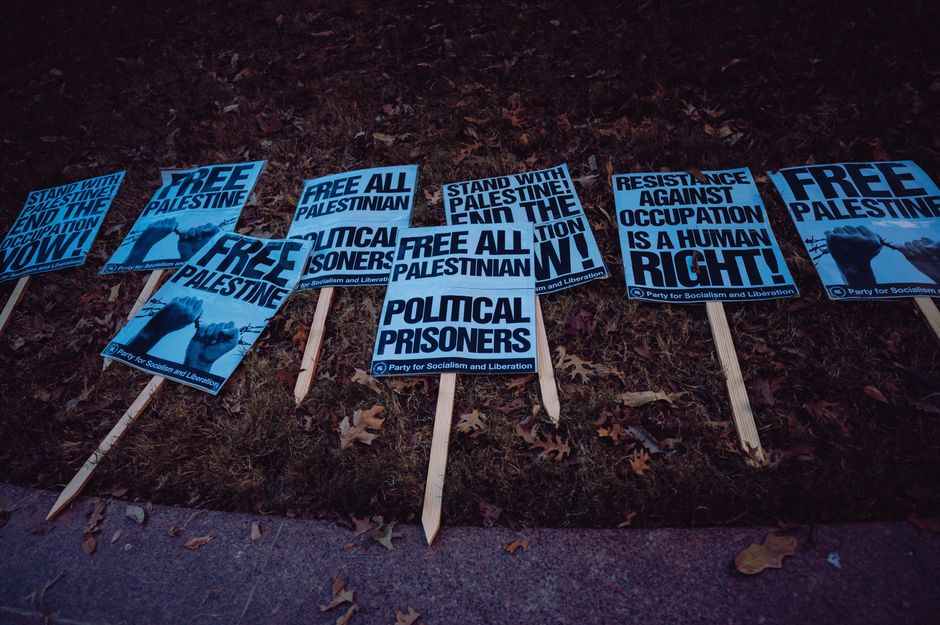
The design of Civil Rights flyers and pamphlets was shaped by both necessity and intention. Limited resources meant that most were produced in black-and-white using typewriters or simple printing presses. Yet within these constraints, activists found ways to make their messages stand out. Bold headlines, striking images, and concise language were common features.
Many flyers included iconic phrases such as “We Shall Overcome” or “Freedom Now,” which became rallying cries for the movement. Others featured photographs or illustrations depicting police brutality or peaceful protestors, reinforcing the moral urgency of their cause. The choice of words was deliberate, emphasizing justice, dignity, and equality while calling out specific injustices faced by African Americans.
Pamphlets tended to be more detailed than flyers, often containing background information on issues like voter suppression or segregation laws. They might include testimonies from individuals affected by discrimination or data highlighting disparities in education and employment. According to a study published by the National Museum of African American History and Culture (nmaahc.si.edu), these longer-form materials were used not only to inform but also to counteract misinformation spread by opponents of civil rights.
Visual elements played a significant role in capturing attention and conveying emotion. Even with limited graphic design capabilities, activists understood the impact of a well-chosen image or a stark layout. The use of repetition (such as listing grievances or demands) helped reinforce key points and made the content memorable.
Below is a table summarizing common features found in Civil Rights Movement flyers and pamphlets:
| Feature | Purpose | Example |
|---|---|---|
| Bold Headlines | Grab attention quickly | “MARCH FOR FREEDOM” |
| Direct Calls to Action | Encourage participation | “Join Us at City Hall – 4 PM” |
| Emotional Appeals | Inspire unity and resolve | “Stand Up for Justice!” |
| Visual Imagery | Illustrate issues or events | Photos of protestors or victims |
| Practical Information | Provide logistics for events | Date, time, location details |
Flyers and Pamphlets as Historical Evidence: Strengths and Limitations
Historians value Civil Rights flyers and pamphlets for their immediacy and authenticity. Unlike official records or retrospective accounts, these documents capture the language, concerns, and strategies of activists in real time. They offer insight into how events were experienced by those on the ground rather than filtered through institutional narratives.
These materials also provide evidence of grassroots leadership, particularly among women and young people whose contributions were sometimes overlooked in mainstream histories. For instance, Ella Baker’s advocacy for participatory democracy is reflected in pamphlets produced by the Student Nonviolent Coordinating Committee (SNCC), which she helped found (snccdigital.org). Such documents highlight the decentralized nature of the movement and its reliance on local initiative.
However, there are limitations to using flyers and pamphlets as historical sources. Their ephemeral nature means that many have been lost or damaged over time, resulting in gaps in the archival record. Surviving examples may not fully represent the diversity of voices within the movement or capture dissenting opinions that existed alongside consensus-building efforts.
The context in which these materials were produced is also crucial for interpretation. Flyers created under threat of violence or surveillance might omit sensitive information or use coded language. Researchers must consider these factors when analyzing content or drawing conclusions about intent.
Despite these challenges, digitization projects led by institutions like Duke University Libraries (library.duke.edu) have made it easier for scholars and students to access collections of Civil Rights ephemera. These efforts help preserve fragile documents while expanding opportunities for research and education.
The Enduring Legacy: Lessons for Today’s Social Movements
The tactics pioneered through Civil Rights flyers and pamphlets continue to influence contemporary activism. Modern movements often adapt similar strategies (using digital platforms to circulate calls to action or share educational resources) but the underlying principles remain consistent: clear messaging, grassroots distribution, and appeals to shared values.
There is much to learn from the creativity and resilience demonstrated by earlier generations of activists. The ability to mobilize communities without relying on mainstream media required ingenuity and trust built through personal networks. Today’s organizers can draw inspiration from this legacy while adapting tactics to new technologies and social contexts.
The preservation of these historical documents also serves as a reminder that change is often driven by ordinary people taking extraordinary risks. Flyers that once fit into a pocket or purse now reside in archives as testaments to collective courage and determination.
- Community engagement: Flyers fostered direct involvement by providing actionable steps for participation.
- Education: Pamphlets equipped readers with knowledge about their rights and current events.
- Cultural memory: These materials help ensure that stories from the movement are not forgotten.
- Tactical innovation: Activists adapted their approaches based on feedback from their communities.
- Historical documentation: Flyers serve as primary sources that enrich our understanding of social change.
The study of Civil Rights Movement flyers and pamphlets reveals how everyday materials can shape history in profound ways. By examining their content, context, and impact, we gain a deeper appreciation for both the challenges faced by activists and the strategies they employed to overcome them. These artifacts invite us not only to remember past struggles but also to consider how ordinary acts (like handing out a flyer) can contribute to extraordinary change.