Bhutan stands out globally for its unique approach to national development, prioritizing the well-being and happiness of its citizens over traditional economic metrics. King Jigme Singye Wangchuck’s 1970s Gross National Happiness (GNH) policy shifted the measure of progress to include overall well-being and balanced development. This model is built on four main pillars: sustainable development, cultural preservation, environmental protection, and effective governance. Over the decades, Bhutan’s GNH framework has sparked international interest, prompting researchers, policymakers, and development experts to examine its effectiveness and adaptability beyond Bhutan’s borders.
The Origins and Philosophy of Gross National Happiness
The concept of Gross National Happiness was first articulated in 1972 when Bhutan’s fourth king declared that “Gross National Happiness is more important than Gross Domestic Product.” This statement reflected a deliberate shift from measuring prosperity through purely economic indicators to a broader, more inclusive understanding of human well-being. The GNH philosophy draws inspiration from Buddhist values, focusing on balance, compassion, and interconnectedness.
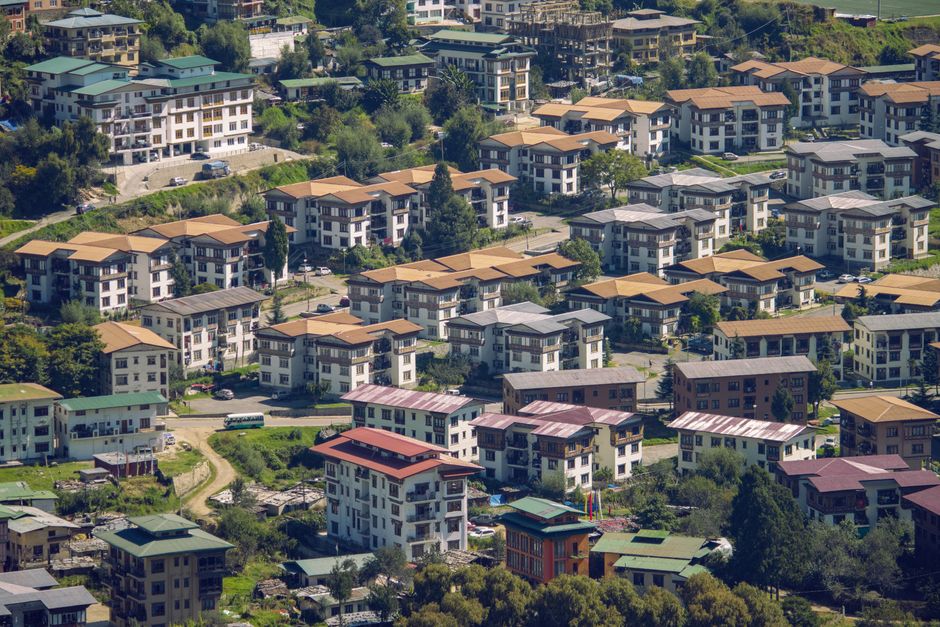
Bhutan’s leaders recognized early on that rapid modernization could erode cultural identity and environmental integrity. They sought to create policies that prioritize happiness, balancing economic development with the well-being of individuals and communities. The GNH framework now serves as a central policy instrument, influencing government actions and framing national conversations.
International organizations such as the United Nations have acknowledged Bhutan’s innovative approach. The UN General Assembly recognized happiness as a fundamental human goal in 2011, partly due to Bhutan’s efforts.un.org).
Foundational Elements and Evaluation Methods
The GNH policy is structured around four main pillars: sustainable and equitable socio-economic development, conservation of the environment, preservation and promotion of culture, and good governance. These pillars are further broken down into nine domains, including psychological well-being, health, education, time use, and community vitality.
To operationalize these principles, Bhutan developed the Gross National Happiness Index. This index uses a multidimensional survey to assess the population’s well-being across the nine domains. The methodology combines objective indicators (such as literacy rates and environmental quality) with subjective measures like life satisfaction and emotional balance.
The table below outlines the four pillars and their associated domains:
| Pillar | Primary Areas of Focus |
|---|---|
| Sustainable Socio-Economic Development | Living standards, education, health |
| Environmental Conservation | Ecological diversity and resilience |
| Cultural Preservation | Cultural diversity, community vitality |
| Good Governance | Governance, psychological well-being, time use |
Implementation in Policy and Society
Bhutan’s government integrates GNH principles into every stage of policy planning and evaluation. Before any major project is approved (whether infrastructure development or educational reform) it must undergo a GNH screening process. The assessment reviews effects across nine domains to confirm they match national priorities.
Education reform provides a clear example of GNH in action. Bhutan’s curriculum balances academic success with a strong focus on empathy, mindfulness, and civic responsibility. GNH policies mandate that more than 70% of Bhutan’s territory stays forested, making the country one of the rare nations with a carbon-negative footprint.nationalgeographic.com).
The GNH framework also influences economic decisions. Rather than pursuing rapid industrialization or mass tourism, Bhutan has adopted a “high value, low impact” tourism strategy. This approach limits visitor numbers while maximizing social and economic benefits for local communities.
Challenges and Criticisms
While Bhutan’s GNH policy has received widespread acclaim, it faces several challenges. Critics argue that measuring happiness is inherently subjective and may overlook marginalized groups whose voices are less likely to be heard in national surveys. There are also concerns about balancing tradition with modernization, especially among younger generations who seek greater connectivity and opportunities.
Economic constraints present another hurdle. Bhutan remains a lower-middle-income country with limited resources for large-scale infrastructure or healthcare investments. The reliance on hydropower exports to India makes the economy vulnerable to external shocks.
- Subjectivity in happiness measurement can mask inequalities.
- Youth aspirations sometimes clash with traditional values.
- Economic diversification remains limited.
- Geopolitical pressures influence resource allocation.
- Urbanization challenges cultural preservation efforts.
Despite these issues, Bhutan continues to refine its GNH tools and policies. Recent changes to the GNH Index broaden data gathering approaches and involve a wider range of communities to enhance inclusivity.
Global Influence and Adaptation
The GNH model has inspired international debate about redefining progress beyond GDP. New Zealand and the United Arab Emirates have established well-being budgets and happiness ministries, drawing inspiration from Bhutan’s approach.brookings.edu). Universities around the globe research GNH as a different model for sustainable development.
However, direct replication outside Bhutan is rare. Definitions and approaches to happiness vary widely across different cultures. While some nations have adopted elements (such as well-being indicators or environmental protections) few have integrated happiness so deeply into governance structures.
Personal experiences from visitors to Bhutan often highlight a sense of community resilience and environmental stewardship that feels distinct from other countries. Local conditions play a critical role in determining which development models succeed.
Lessons for Broader Development Policy
Bhutan’s Gross National Happiness approach provides valuable insights for policymakers across the globe. First, it demonstrates that national priorities can be reoriented toward holistic well-being without sacrificing economic stability. Second, it shows that cultural preservation and environmental stewardship can coexist with modernization if managed thoughtfully.
Combining subjective well-being data with objective metrics offers a clearer understanding of how societies are advancing. This approach encourages governments to consider mental health, social cohesion, and ecological balance as essential components of prosperity.
For those interested in development policy or community planning, Bhutan’s experience suggests that meaningful change requires both visionary leadership and grassroots engagement. GNH thrives when both policymakers and the public actively engage and share a commitment to its values.
Summary
Bhutan’s Gross National Happiness policy stands as a compelling alternative to conventional development models centered on economic growth alone. The country’s commitment to social, cultural, environmental, and economic well-being has established a model for those interested in more balanced development. While challenges remain in measurement and implementation, Bhutan’s commitment to refining its model demonstrates adaptability and resilience.
The global interest in GNH reflects a growing recognition that true prosperity encompasses more than material wealth. As societies grapple with issues like inequality, climate change, and mental health crises, Bhutan’s experience offers valuable insights into how happiness can serve as both a goal and a guide for sustainable development.