Balancing the right to privacy with the need for surveillance is a challenge that has shaped national policies for decades. Governments face pressure to protect citizens from threats such as terrorism, cybercrime, and organized crime, while also upholding fundamental civil liberties. Questions about where to set boundaries continue as new technology, changing laws, and public opinion all shape the discussion. As digital tools become more sophisticated, both opportunities and risks in privacy and surveillance intensify, prompting renewed scrutiny of how policies are crafted and enforced.
Historical Context and Evolution of Privacy and Surveillance
The tension between privacy and surveillance is not new. In the 20th century, governments implemented various forms of surveillance during wartime and periods of political unrest. The United States' COINTELPRO program in the 1950s and 1960s frequently violated legal limits while surveilling and disrupting civil rights leaders and political opponents. Similarly, the UK's MI5 and MI6 expanded their intelligence-gathering capabilities during the Cold War, sometimes clashing with privacy advocates.
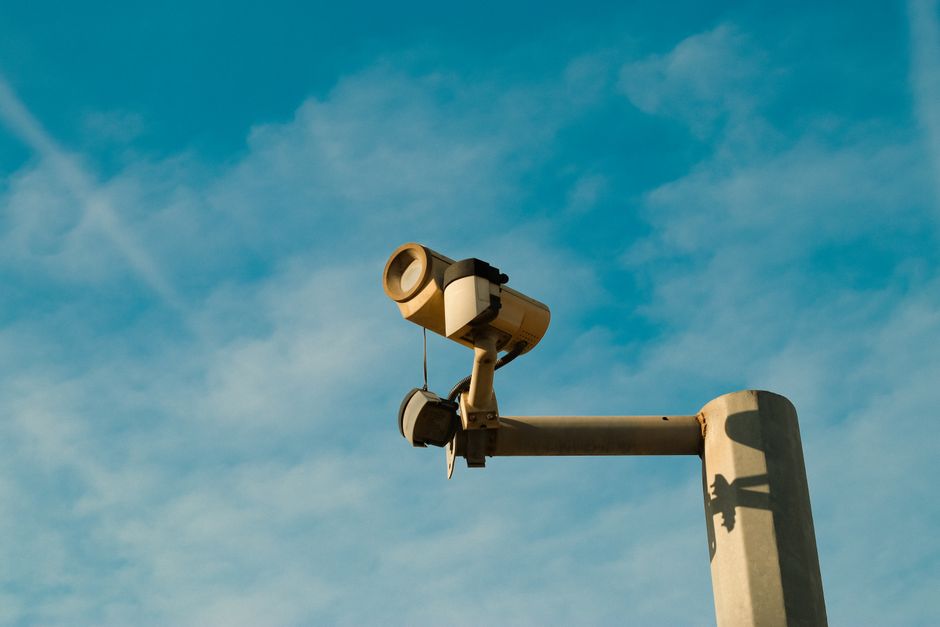
Laws have adapted to address these practices. The Universal Declaration of Human Rights (1948) established privacy as a fundamental right, influencing national constitutions and international agreements. However, the emergence of new technologies (such as wiretapping in the 1960s and mass data collection in the 21st century) has consistently tested these protections.
The September 11 attacks marked a turning point. Many countries passed sweeping surveillance laws, including the USA PATRIOT Act, which broadened government powers to monitor communications. While these measures were justified as necessary for national security, they sparked concerns about overreach and lack of transparency. According to Brookings Institution, public trust in government surveillance declined significantly during this period.
Recent years have seen renewed calls for reform. Disclosures from figures such as Edward Snowden uncovered widespread government surveillance, prompting lawsuits and scrutiny of existing policies. The European Union's General Data Protection Regulation (GDPR) set a new standard for data privacy, influencing global debates on surveillance limits.
Technological Advancements and Their Impact
Advances in technology have significantly reshaped how privacy is protected and surveillance is conducted. Smartphones, social networks, and cloud services collect extensive personal information that is often available to corporations and government entities. Facial recognition systems and artificial intelligence (AI) further expand surveillance capabilities, raising fresh ethical questions.
Law enforcement agencies argue that these tools are essential for preventing crime and terrorism. Predictive policing algorithms assess data patterns to detect possible threats in advance. However, critics warn that such systems can reinforce biases or lead to false positives, impacting innocent individuals.
While working with digital privacy advocates, I’ve noticed increasing unease about how major technology companies collect and combine personal data. Many people are unaware of how much information is collected about them daily, from location data to browsing habits. This lack of transparency fuels suspicion and demands for stricter oversight.
Governments are also investing in cybersecurity infrastructure to protect sensitive information from foreign adversaries. The challenge lies in balancing these efforts with respect for individual rights. A study fromRAND Corporation, countries that prioritize transparency and accountability in their surveillance programs tend to maintain higher levels of public trust.
Legal Frameworks: Striking a Balance
Laws governing privacy and surveillance vary widely across countries, reflecting different cultural values and historical experiences. Some nations prioritize security over privacy, while others place stronger emphasis on civil liberties. The effectiveness of these laws often depends on robust oversight mechanisms and judicial review.
In the United States, the Fourth Amendment protects against unreasonable searches and seizures, but exceptions exist for national security investigations. The Foreign Intelligence Surveillance Act (FISA) established secret courts to approve surveillance requests related to foreign intelligence. Critics argue that this process lacks sufficient transparency and accountability.
The European Union has adopted a more stringent approach with the GDPR and the European Convention on Human Rights. These regulations require explicit consent for data collection and provide individuals with greater control over their personal information. The Court of Justice of the European Union has repeatedly struck down agreements that fail to meet EU privacy standards.
To illustrate how different countries approach this balance, consider the following table:
| Country | Major Laws | Privacy Emphasis | Surveillance Powers |
|---|---|---|---|
| United States | PATRIOT Act, FISA | Moderate | Extensive (with oversight) |
| United Kingdom | Investigatory Powers Act | Low-Moderate | Broad (bulk data collection) |
| Germany | BDSG, GDPR | High | Limited (strict judicial review) |
| China | Cybersecurity Law | Low | Very Broad (state control) |
| France | Loi Renseignement | Moderate-High | Significant (with some safeguards) |
The diversity in legal approaches highlights the complexity of finding a universally acceptable balance. Countries often revise their policies in response to court rulings, technological changes, or public pressure.
Public Perception, Accountability, and Future Directions
The success of any policy balancing privacy and surveillance depends heavily on public perception and trust. When citizens believe that surveillance measures are proportionate and subject to oversight, they are more likely to support them. Conversely, secrecy or perceived abuses can erode confidence in institutions.
Civil society organizations play a crucial role in advocating for transparency and accountability. Groups like Privacy International and the Electronic Frontier Foundation regularly challenge government practices in court or lobby for legislative reforms. Their efforts have led to greater disclosure of surveillance activities and improved legal protections in several countries.
Personal experience suggests that open dialogue between policymakers, technologists, and the public is essential for building consensus. Town hall meetings, public consultations, and independent oversight bodies can help bridge gaps in understanding and ensure that diverse perspectives are considered.
- Transparency reports: Many tech companies now publish regular updates on government data requests.
- Whistleblower protections: Laws safeguarding individuals who expose illegal surveillance have been strengthened in some jurisdictions.
- Data minimization: Agencies are encouraged to collect only what is necessary for specific investigations.
- International cooperation: Cross-border agreements aim to harmonize standards while respecting national sovereignty.
Ongoing discussions are expected as emerging technologies prompt fresh viewpoints. Quantum computing, biometric databases, and advanced AI will present fresh challenges for policymakers seeking to protect both security and privacy. Ongoing research from academic institutions such as University of Pennsylvania Center for Information Technology Policy highlights the need for adaptive legal frameworks that can respond to rapid change.
The ongoing struggle to balance privacy with effective surveillance reflects deep societal values about freedom, safety, and trust in institutions. Shifting global threats demand that we adapt our policy strategies accordingly. Staying informed about both historical context and emerging trends empowers individuals to participate meaningfully in these critical debates, an endeavor that will only grow more important as digital life continues to expand its reach.