Many people imagine Vikings wearing horned helmets and braving rough waters. But the real stories (the ones that shaped our understanding of Norse culture) are far richer and more nuanced than Hollywood would have us believe. The authentic Viking sagas, painstakingly translated from Old Norse texts, offer a window into a world of adventure, family feuds, and epic journeys. Let’s dive into how these sagas were preserved, what makes them so compelling, and why their translations matter more than ever today.
The Origins: From Oral Tradition to Written Word
Imagine sitting around a roaring fire in medieval Iceland, listening to a skald (a Norse poet) recite tales of gods, heroes, and outlaws. For centuries, these stories lived only in memory and performance. Scribes first recorded these texts in the 13th century, using Old Norse, the North Germanic language of the Vikings and their descendants.
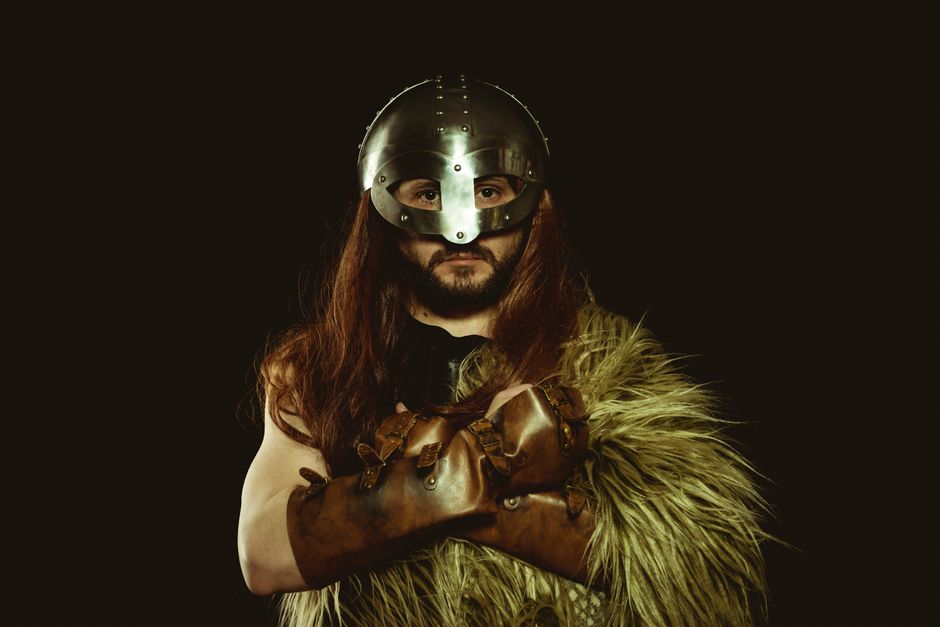
The most famous collections are the Íslendingasögur (Sagas of Icelanders), which chronicle the lives of early settlers in Iceland. These sagas blend fact and fiction, weaving together family histories with larger-than-life exploits. Think of them as a cross between a family photo album and an action-packed Netflix series, except the stakes were often life and death.
- The Saga of Egil Skallagrímsson tells of a poet-warrior whose wit is as sharp as his sword.
- The Laxdæla Saga dives into love triangles and revenge plots that wouldn’t be out of place in modern drama.
- The Saga of Grettir the Strong follows an outlaw whose battles with supernatural forces are both thrilling and tragic.
These stories weren’t just entertainment, they were moral lessons, social commentary, and community glue all rolled into one.
The Art and Challenge of Translation
Translating Old Norse isn’t for the faint of heart. The language is dense, packed with kennings (poetic metaphors) and cultural references that don’t always have direct equivalents in English or other modern languages. A single word can carry layers of meaning, much like how “home” might evoke warmth, safety, or nostalgia depending on who’s listening.
Let’s take the word “drengr”. In Old Norse, it could mean a brave man, a warrior, or simply someone upright, a concept that doesn’t map neatly onto any single English word. Translators must make choices: Do they stick closely to the literal meaning, or try to capture the spirit of the original?
This is where different translations can feel like entirely new stories. Placing two versions of a saga passage next to each other reveals how different wording influences your understanding of the characters and the story.
| Old Norse Term | Literal Translation | Common Modern Rendering |
|---|---|---|
| Drengr | Valiant Man/Warrior | Hero/Nobleman |
| Fylgja | Follower/Spirit Double | Guardian Spirit |
| Hamingja | Luck/Fate | Fortune/Personal Destiny |
This balancing act is what makes reading different translations so fascinating and why scholars like Jesse Byock and Robert Cook have become household names among saga enthusiasts (Penguin Random House). Their work helps bridge the gap between Viking Age audiences and readers today.
Why Authenticity Matters: Separating Fact from Fantasy
It’s easy to get swept up in the romance of Viking lore, but authenticity is crucial if we want to understand these stories on their own terms. Many early translations took creative liberties, sometimes smoothing over uncomfortable details or adding embellishments to suit Victorian tastes. The result? A version of Viking life that was more fantasy than fact.
Modern translators strive for fidelity to the original texts. They reference artifacts, study documented histories, and analyze language patterns to verify their findings. Recent research published inCambridge University Press highlights how saga details often align with real-world findings, from burial sites to descriptions of legal assemblies known as “things.”
Staying true to historical accuracy allows us to understand the Vikings through their own perspectives, revealing their struggles with honor, loyalty, and survival amid challenging conditions. When you read an authentic translation, you’re not just consuming a story; you’re stepping into another world.
The Sagas’ Enduring Appeal: Lessons for Modern Readers
Why do these ancient tales still resonate today? Partly because their themes are universal: family loyalty, personal ambition, betrayal, and redemption. Most people have encountered situations that require deciding between standing their ground and keeping the peace, or confronting challenges they cannot influence.
The sagas also offer practical wisdom. Take the concept of “wyrd”, or fate. Characters often struggle against their destinies but ultimately must accept what comes. It’s not unlike how we deal with unexpected twists in our own lives, sometimes fighting circumstances, sometimes learning to adapt.
- Resilience: Outlaws like Grettir teach us about perseverance in the face of adversity.
- Community: The assembly scenes remind us that collective decision-making has deep roots in human society.
- Moral ambiguity: Few saga heroes are purely good or evil; their choices reflect real-life complexity.
This is why modern authors, from J.R.R. Tolkien to Neil Gaiman, have drawn inspiration from these texts. They recognize that the sagas’ blend of realism and myth speaks to something timeless in all of us (Britannica).
Choosing the Right Saga Adventure: A Guide to Making Informed Travel Decisions
For those interested in discovering genuine Viking sagas, finding a good starting point can be challenging. Not all translations are created equal; some aim for readability while others prioritize scholarly accuracy. Here’s a quick guide to help you find your perfect match:
| Translator/Edition | Strengths | Best For |
|---|---|---|
| Jesse Byock (Penguin Classics) | Accessible language; thorough introductions; notes on historical context | First-time readers; students |
| Robert Cook (Everyman’s Library) | Lyrical style; faithfulness to original tone; detailed glossaries | Saga enthusiasts; literature lovers |
| Saga-Database (sagadb.org) | Access Old Norse texts with English translations displayed together online at no cost. | Researchers; language learners |
| The Complete Sagas of Icelanders (Leifur Eiríksson Publishing) | Comprehensive collection; multiple translators; scholarly apparatus | Serious study; collectors |
- Read sample passages: See which translation style feels most engaging to you.
- Check for footnotes: Good editions explain cultural references without bogging down the story.
- Look for maps and genealogies: These extras help keep track of who’s who in sprawling family dramas.
To hear authentic Old Norse pronunciation, explore resources such asNational Geographic offer audio samples and expert commentary.
Reading original Viking sagas immerses you in the thrill of exploration and discovery. Each translation offers a new perspective (a different wind in your sails) guiding you through tales that have captivated audiences for nearly a thousand years. Epic journeys and nuanced explorations of humanity await those seeking new stories to uncover.
The next time someone mentions Vikings, you’ll know there’s more beneath the surface than horned helmets and battle cries. In these sagas (translated with care from Old Norse) you’ll find echoes of your own struggles and triumphs, proof that great storytelling truly stands the test of time.
References: